
Expert Insights on Solar for Commercial Properties in Florida
Share:
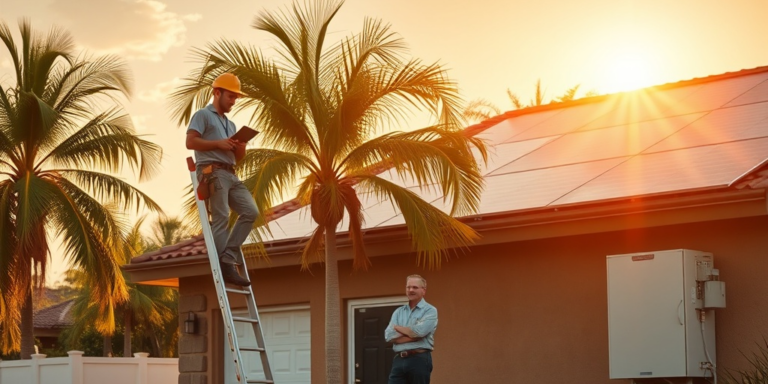
In an age where rising energy costs are affecting commercial businesses at unprecedented rates, many Florida property owners are seeking long-term solutions—enter solar power. According to recent studies, the average commercial property can save around $20,000 annually by switching to solar energy, a compelling figure that speaks volumes (SEIA.org). Moreover, Florida is ranked as one of the top 5 states for solar energy potential, thanks to its abundant sunshine and supportive legislative landscape (Energy.gov). In our blog titled Expert Insights on Solar for Commercial Properties in Florida, we’ll explore the nuances of solar installation and how it can not only maximize energy efficiency but also drive considerable savings for your business in 2025. As a commercial property owner, making the leap to solar energy is more urgent than ever, with new tax incentives and rebates available, designed to alleviate initial costs while positioning your business for sustainable growth in the future.
By delving into sections on case studies, actionable checklists, myth-busting, local Florida insights, and comprehensive technical deep-dives, we aim to empower you with knowledge, shed light on common misconceptions, and clarify how going solar can transform your energy landscape. Ready to explore how you can harness the sun’s power for your commercial property? Let’s dive in!
Understanding the Impact of Solar Energy on Commercial Properties
Let’s take a turn down success lane. Picture a bustling café located in Tampa, Florida, that was just getting by—its energy bills were high, and profits were shrinking. After careful evaluation, the owner decided to invest in a solar energy system. This wasn’t a hasty decision; months of research and preparation made it clear that going solar was the sensible path forward. After installation, the café’s electric bill dropped by nearly 75%, resulting in savings that the owner reinvested into the business. It’s stories like these that underscore the transformative power of solar energy for commercial properties.
As the café owner quickly learned, the benefits were far-reaching. Through a combination of net metering and tax credits, the initial investment was recouped in under four years, and now, every dollar saved is reinvested in staff, new equipment, and improved customer service, multiplying the benefits of going green. This case illustrates not just savings, but a strategic shift toward a sustainable business model that resonates with today’s eco-conscious consumers.
- Step 1: Evaluate your energy consumption. Conduct an energy audit to determine your current consumption levels.
- Step 2: Examine your location’s solar potential. Florida’s climate is ideal for solar installations.
- Step 3: Determine funding options. Explore federal and state incentives that can significantly reduce upfront costs.
- Step 4: Choose a reputable solar installer. Ensure the company has experience with commercial installations in Florida.
- Step 5: Monitor your system’s performance regularly. This helps in optimizing its efficiency over time.
However, some myths can cloud the decision-making process. For example, Myth #1: Solar installations are costly and not worth the investment. In reality, with the current incentives available, many businesses see a return on investment within a few years. Moreover, a 2020 study revealed a staggering 80% of businesses who installed solar reported significant cost savings (SolarReviews.com).
Another common myth, Myth #2: Solar systems require constant maintenance, which can lead to high recurring costs. In fact, most solar systems require minimal upkeep, and many installations come with warranties that last decades. Florida’s sunny weather can greatly contribute to the longevity and efficiency of these systems.
This brings us to the Local Focus: Commercial properties in Florida are often set to benefit from the state’s ranking for solar installations. In fact, nearly 25% of Florida’s electricity generation is anticipated to come from solar energy by 2025, making it imperative for businesses to consider solar as a viable energy option (DSIREUSA.org). Additionally, Florida regulations provide a favorable environment for net metering, allowing businesses to sell excess energy back to the grid.
Now let’s get into the nitty-gritty: the technical aspects behind solar energy systems. From photovoltaic panels harnessing sunlight to sophisticated inverters converting direct current to alternating current, understanding the mechanics can instill confidence in your decision-making process. Knowing the specifics not only empowers property owners but can also be shared with teams to create an energy-efficient workplace.
With all these factors in mind, it’s clear that solar energy can be a game changer for commercial properties. As we transition to the next section, let’s take a deeper look into how Florida businesses have been implementing these systems successfully.
Key Factors in Selecting a Solar System for Your Commercial Property
When it comes to going solar, there’s a lot more to consider than simply installing panels on your roof. Understanding the right solar system for your property is crucial.
- Determining Energy Needs: Each commercial space has a different energy requirement depending on its operations. Utilizing an energy audit can give you insight into how much electricity your business uses. This realistic assessment helps in determining the systems’ size.
- Exploring Funding Options: Federal and state incentives exist to support solar investments. Businesses can take advantage of the Investment Tax Credit (ITC), which offers a 26% tax credit for systems installed by the end of 2022 and is set to step down gradually thereafter.
- Choosing the Right Installer: With multiple companies vying for your business, vetting your solar provider is key. Select a firm that specializes in commercial installations and has a proven track record in Florida.
- Financing and Leasing Options: Many businesses are unaware of various financing options available, such as power purchase agreements (PPAs) and solar loans, which can make solar installations more affordable.
- Understanding Solar Technologies: Familiarize yourself with the specifications of solar technologies, including types of panels (monocrystalline vs. polycrystalline), inverters, and battery storage. Each element plays a vital role in your overall energy system.
Interestingly, according to the National Renewable Energy Laboratory, commercial solar installations can increase property value significantly. This is a considerable factor when it comes to financing your system through a mortgage, enhancing its overall appeal (NREL.gov).
But what about the obstacles? One common concern is the fear of interruption to business operations during installation. It’s essential to work with your chosen installer to devise a seamless plan that minimizes disruption while maximizing efficiency. Your solar company should provide a detailed timeline and maintain open communication throughout the process.
Let’s not overlook the common pitfalls associated with solar installations. For instance, subpar panel placement can hinder efficiency. Don’t skimp on this crucial decision; sunlight exposure will dictate the performance of your system.
Once you have established your system, monitoring its performance through software tools can identify inefficiencies early on. Today’s technology enables you to maximize solar savings and ensure your investment pays off in the long run. Versatile apps can help track energy production and pinpoint potential issues before they become costly problems.
As we recognize the above factors contributing to solar success, let’s pivot to the best practices employed by seasoned experts in the industry. What truly sets apart successful solar implementations?
5 Expert Solar Installation Tips for 2025
Shifting to solar energy is both a thrilling venture and a significant responsibility. As property owners prepare for 2025, keeping the following expert tips in mind can mitigate common challenges associated with solar installations.
- Don’t Skimp on Research: Engage with existing users and tap into local solar forums. Gathering insights and experiences can prepare you for potential roadblocks.
- Understand Your Local Market: Evaluate your competition. Many businesses may already be embracing solar, making this a deciding factor for new customers drawn to sustainability.
- Investigate Your Roof Condition: Before installation, it’s critical to assess the structural integrity of your roof. If repairs or upgrades are needed, it’s best to address them before the installer arrives.
- Plan for the Future: When designing your solar system, consider potential expansions or future energy needs to ensure your system can scale with your business.
- Utilize Real-Time Data: Invest in monitoring dashboards that allow you to track generation, usage, and savings effectively. Staying informed can help optimize operations, ensuring that every strategy aligns with company goals.
According to a report from Solar Energy Industries Association, businesses that actively engage in energy efficiency measures can see an average return on investment of 20% to 30% within the first five years of installation (SEIA.org).
A fresh approach toward solar energy can lead to substantial growth in your business. By instilling a culture of sustainability and conservation, you can inspire your team while attracting eco-conscious customers. As we transition to the next section, let’s highlight how real-world experiences have unraveled the truths behind these tips.
A Florida Business Owner’s Solar Journey
Meet Laura, a businesswoman in Jacksonville who owns a small manufacturing company. Faced with soaring energy bills, Laura knew that every dollar saved would go toward improving employee salaries and increasing production. Motivated to find a solution, she embarked on a solar energy journey that was as daunting as it was rewarding.
Laura spent weeks researching solar providers, requests for quotes, and scrutinizing the market until she found a reputable company that could meet her commercial needs. After months of planning and coordination, installation day arrived, and to her relief, everything went smoothly.
- Assessment: Laura’s energy consumption was analyzed, allowing her to confidently size her solar system.
- Incentives: She took full advantage of the federal tax credits, ultimately shrinking her initial costs.
- Monitoring: Post-installation, Laura utilized a state-of-the-art system to keep track of energy production and savings.
- Results: Within just six months, Laura observed a significant reduction in energy bills, boosting her morale and allowing for reinvestment in the company.
As Laura well understood, while the journey toward solar implementation may present challenges, perseverance pays off. By integrating solar energy into her business model, Laura not only reduced operational costs but also positioned her business as a leader in sustainability practices within the community.
Looking forward, Laura recognizes that community outreach is vital. With customers increasingly prioritizing sustainability, her efforts resonate strongly. As her story exemplifies, the leap toward solar embodies more than just financial benefits; it stands as a testament to a commitment to the future. With that in mind, let’s hone in on actionable next steps for Florida commercial property owners eager to harness the power of the sun.
Next Steps for Florida Solar Buyers in 2025
Embarking on a solar journey can feel intimidating, but breaking it down into manageable steps makes the process less overwhelming. Below is an actionable checklist that Florida commercial property owners can utilize to swiftly navigate their transition to solar energy.
- Step 1: Audit Your Electric Bill. Examine your business’s electricity usage to identify peak usage times and areas where energy efficiency can improve.
- Step 2: Explore Federal and State Incentives. Familiarize yourself with the Investment Tax Credit (ITC) and local programs that can lower installed costs.
- Step 3: Choose a Reputable Installer. Research and ask for recommendations to ensure you find a certified solar contractor with proven experience in Florida.
- Step 4: Plan Your Solar Installation for Off-Peak Hours. To reduce any operational disruptions, schedule installations during off-peak business hours whenever possible.
- Step 5: Set a Post-Installation Monitoring Plan. Work with your installer to ensure your system includes real-time performance monitoring tools for ongoing efficiency checks.
Transitioning to solar represents not just a makeover of your energy profile, but serves as an investment into the future of your business. If you’re ready to take the next step, consider partnering with the experts at nyelectricandsolar.com to help navigate the entire process.
In conclusion, the journey to solar energy is not just a decision to cut costs but an essential stepping stone for sustainable growth in 2025. With rising energy prices, increasing demand for green businesses, and abundant sunshine in Florida, going solar is an opportunity worth seizing. Imagine the long-term gains—proactive measures, enhanced community reputation, and financial savings that can bolster your organization.
As we’ve traversed through case studies, actionable advice, insights, and real stories, the verdict is clear: embracing solar energy is a powerful means to empower your business while preserving our environment.
If you’re ready to start your solar journey in 2025, why not connect with a certified expert at nyelectricandsolar.com today? The future awaits!
Related Articles
More insights about Solar

What Are the Key Benefits of Solar for Commercial Properties?

Why Gulf Coast Residents Should Explore Solar for Commercial Properties

Why Gulf Coast Residents Should Consider Solar for Commercial Properties
Ready to Go Solar?
Have questions about solar energy? Our experts are here to help you make the switch to clean, renewable energy.