
Expert Insight: Essential Facts About Solar Panel Lifespan
Share:
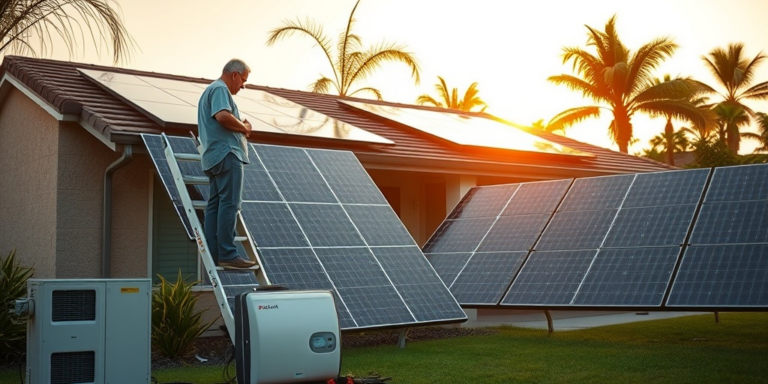
As a Florida homeowner, have you ever wondered about the longevity of solar panels? Most people think they’re just a newfangled technology, but in reality, solar power has been a reliable energy source for decades. Expert Insight: Essential Facts About Solar Panel Lifespan dives deep into the critical factors affecting the lifespan of solar panels and explores how these details can significantly impact your investment. Did you know that the average solar panel can last anywhere from 25 to 30 years, with many manufacturers offering warranties of up to 25 years? This longevity means a single solar installation could reduce your electric bills for generations (SEIA.org). As energy prices continue to rise—up nearly 30% in Florida over the past decade (SolarReviews.com)—the urgency to consider solar energy becomes even more pronounced in 2025. In this comprehensive post, we’ll cover five key areas: the case for solar panel longevity, a handy checklist for potential solar buyers, common myths about solar lifespans, the unique aspects of the Florida solar market, and technical details that illuminate how these systems work.
Understanding Solar Panel Lifespan: The Case for Long-Term Investment
Picture this: Bob and Susan, a couple living in Cape Coral, decided to make the leap into solar energy two years ago. They invested in a high-quality solar panel system designed for longevity. Now, after two Florida summers where the sun mercilessly beats down on their roof, they’ve realized something vital—they’ve significantly reduced their electricity bills and are locked into energy independence for decades. Their current system not only powers their home but has also increased the value of their property. This anecdote highlights an essential point: these panels are not just a short-term investment but a long-term asset.
Let’s break down critical aspects influencing solar panel lifespan:
- Quality of Materials: Not all solar panels are created equal. High-quality panels, such as monocrystalline silicon, often last longer—up to 30 years—compared to their lower-quality counterparts.
- Environmental Conditions: Living in Florida, homeowners must consider weather impacts. Intense storms, UV exposure, and humidity can impact lifespan, making it essential to select durable materials.
- Maintenance Practices: Regular maintenance can drastically extend your solar panel system’s life. Simple tasks such as debris removal and occasional inspections ensure optimal performance.
- Manufacturer Reputation: Companies that build panels with a strong track record of reliability will often extend warranties and guarantees on their products.
- Installation Expertise: Poor installation can lead to premature failure. Installing with reputable companies like Florida Electric & Solar ensures your system is safely and securely set up.
According to the National Renewable Energy Laboratory (NREL), about 90% of solar panels installed today are expected to produce at least 80% of their rated power after 25 years of operation. Choosing high-quality panels is key to ensuring this longevity. In Florida’s climate, the impact of humidity and temperature fluctuation makes durability even more crucial; panels must withstand not just sun exposure but also rain and hurricanes.
From Bob and Susan’s experience, it becomes clear that understanding the lifespan of your solar panels is paramount before making a purchase. While initial costs may seem daunting, the long-term savings on energy bills can quickly offset these costs, especially as traditional energy prices continue to escalate.
As we move forward in this article, we will present a checklist for potential solar buyers, debunk common myths surrounding solar panel lifespan, focus on Florida’s unique solar landscape, and dive into the technical specifics that define energy-efficient systems. Keep reading; your journey into the world of solar energy is just beginning.
Essential Checklist for Buying Solar in Florida
Now that you understand solar panel lifespan and its importance, it’s time to plan your investment wisely. Here’s a strategic checklist to ensure you’re making the best decisions when purchasing solar:
- Step 1: Audit Your Energy Needs
Before investing in solar, determine your energy consumption. Analyze at least 12 months of electric bills to find out how much energy you use monthly. This will guide your decision on the size of the system you need.
- Step 2: Research Solar Panel Types
Not all solar panels are suited for every home. Investigate the differences between monocrystalline, polycrystalline, and thin-film solar panels. Based on your research, you can find a type that suits your aesthetic and functional needs.
- Step 3: Evaluate Your Roof’s Condition
Your roof should be in good condition before installation. If it’s outdated or deteriorating, consider repairs first. A new roof is a significant expense but can complement your solar investment perfectly.
- Step 4: Select a Reputable Installer
Quality installation can extend the life of your solar system. Research local contractors, read reviews, and ask for certifications. Companies like Florida Electric & Solar have established themselves as reliable. Look for warranties, both on the panels and the installation work.
- Step 5: Consider Incentives and Financing Options
Don’t overlook local, state, and federal incentives that can reduce the upfront costs of your solar system. Programs can include tax credits, cash rebates, and solar energy loans, making solar a more affordable option.
Every step in your solar journey is essential; rushing can lead to missed opportunities or financial pitfalls. The combination of quality panels, expert installation, and deep understanding will ensure your investment pays off substantially over the years. As energy prices continue to rise, understanding these elements has never been more relevant. Solar panels could potentially create long-term savings that allow you to invest in your family or other areas of your life.
Debunking Common Myths About Solar Lifespan
Beliefs surrounding solar panel lifespan are often clouded by misinformation. Let’s lay out some common myths, backed by facts, to clear the air:
- Myth #1: Solar Panels Stop Working After 25 Years
Actually, most panels continue generating energy beyond their warranty period. Many can still produce 80% or more of their rated capacity even after 30 years—making them a lasting investment.
- Myth #2: Solar Panels Are Too Expensive
The initial investment may seem high, but significant savings on energy bills combined with incentives can offset the costs. In Florida, many homeowners see a full return on investment within five to seven years (NREL.gov).
- Myth #3: Solar Panels Require Too Much Maintenance
While regular maintenance is beneficial, solar panels are relatively low-maintenance. Occasional cleanings and inspections suffice to keep your system operating efficiently.
- Myth #4: All Solar Panels Are Created Equal
This couldn’t be further from the truth. Panels vary in quality, efficiency, and longevity. Research is essential to choose the right installation that will last.
- Myth #5: Solar Energy Isn’t Efficient in Cloudy Weather
While it’s true that solar generation decreases in overcast conditions, panels can still produce energy. In Florida, sunlight is abundant, making solar a practical choice regardless of a few cloudy days.
Don’t let common myths deter you from making a wise investment in solar. Knowledge is power; by separating fact from fiction, you can make more informed decisions about your energy future. The innovation in solar technology continually provides homeowners with smart solutions—making it an excellent time to reconsider the advantages of adopting solar energy.
The Florida Solar Landscape: Key Insights for Homeowners
The Florida solar market presents unique opportunities and challenges. Understanding its landscape is crucial to harnessing the full potential of your solar investment. Here are some points to consider:
- The Florida Solar Industry is Growing
Florida ranks among the top states in solar power generation due to its abundant sunshine and supportive policies. As of 2023, the state has surpassed 3 million installed solar panels, producing over 10,000 megawatts of energy (Florida Solar Energy Center).
- Incentives are Abundant
Florida homeowners can take advantage of various state and federal incentives that considerably reduce solar installation costs. Tax credits, property tax exemptions, and more make solar energy accessible for many.
- Net Metering Policies are Beneficial
Florida’s net metering policies allow homeowners to sell back excess energy to the grid. This gives solar users a great advantage, enabling them to maximize their savings and investments fully.
- Increasing Home Values
Many Florida buyers consider solar panel systems when purchasing properties. Homes with solar installations often sell faster and at higher prices, making them more desirable on the market.
- Hurricane Preparedness is Key
Florida’s susceptibility to hurricanes makes it crucial to choose strong, durable solar systems. Work with experienced installers who understand local building codes, hurricane ties, and structural requirements to ensure safety and longevity.
Understanding these Florida-specific insights allows you to navigate the landscape with confidence. The growth of the solar industry, coupled with attractive incentives, positions 2025 as a prime year for homeowners to invest. Don’t overlook local market trends—your future energy independence might just depend on it!
The Technical Deep-Dive: What You Need to Know
Understanding the technology behind solar panels helps homeowners appreciate their value better. Delving into critical components, consider the following:
- Solar Panels
These are essentially made up of photovoltaic (PV) cells that convert sunlight into electricity. The efficiency of panels depends on the materials used; monocrystalline cells are typically the most efficient.
- Inverters
Inverters take the DC electricity generated by solar panels and convert it into AC electricity, which is what is used in homes. Advanced inverters can also monitor panel performance and provide data for maintenance.
- Batteries
Energy storage solutions, like batteries, allow you to save excess energy generated during peak days for later use. This can provide significant savings, especially during power outages.
- Monitoring Systems
Modern monitoring systems give real-time data on system performance, allowing you to take immediate action if issues arise—this can enhance efficiency and extend the system’s lifespan.
- Batteries and Storage Options
If you plan to install a solar system, consider how battery storage can further enhance your energy independence, especially in a hurricane-prone area like Florida.
Understanding these technical aspects can empower Florida homeowners when discussing systems with solar providers. A deeper appreciation for how these panels function equips you to make informed decisions, ultimately leading to greater satisfaction with your investment.
Next Steps for Florida Solar Buyers in 2025
Now that you are equipped with knowledge about solar panel lifespan, buying considerations, myth-busting, Florida-specific insights, and technical details, it’s time to take action. Here’s a detailed checklist to guide you:
- Step 1: Conduct Your Energy Audit
Examine your current energy consumption to create a baseline for what you’ll need.
- Step 2: Research Solar Options and Providers
Compare companies to find one that aligns with your goals. Check reviews and qualifications to ensure credibility.
- Step 3: Schedule Consultations
Meet with at least three different solar installers. Discuss what systems would best suit your property and learn about warranties.
- Step 4: Understand Financing Options
Gather information regarding financing, incentives, and payment plans that come with going solar. Make informed decisions tailored to your financial landscape.
- Step 5: Secure Installation
Select a provider and schedule your installation. Ensure you understand every aspect of the project followed by visitations post-installation to optimize long-term performance.
The journey toward energy independence can seem overwhelming, but taking these actionable steps can simplify things significantly. After doing all the research, the final step is to select a reputable solar company that can guide you through the process, especially in Florida’s dynamic market. Elevate your home’s energy profile by moving forward decisively.
As we’ve explored throughout this post, understanding the solar panel lifespan is just the beginning. Factoring in your personal energy needs, evaluating options available in Florida, and dipping your toes into the technical side will empower you tremendously.
As you consider entering the world of solar energy, remember one thing: this isn’t just an investment in technology; it’s an investment in your home, your family, and a sustainable future.
Ready to start your solar journey in 2025? Connect with a certified expert at nyelectricandsolar.com today.
Related Articles
More insights about Solar Panel

How Many Solar Panels Do You Need in Upstate New York?

Florida Homeowners: Why Solar Panel Maintenance Is Essential

7 Essential Steps for Solar Panel Installation Success
Ready to Go Solar?
Have questions about solar energy? Our experts are here to help you make the switch to clean, renewable energy.