
Why Gulf Coast Homeowners Should Consider Solar Battery Storage
Share:
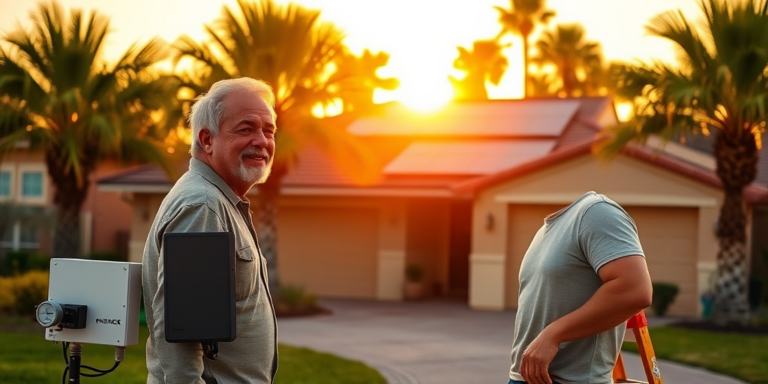
As a Gulf Coast homeowner, have you ever felt a twinge of anxiety when opening your electricity bill? You’re not alone. In fact, more than 10% of Floridians have admitted to feeling overwhelmed by their energy costs, especially as temperatures rise during the sweltering summer months. Rapidly increasing energy prices have turned the spotlight on alternative solutions like solar power. In this context, one innovative option stands out: solar battery storage. In our blog titled Why Gulf Coast Homeowners Should Consider Solar Battery Storage, we’ll explore why integrating a solar battery into your home energy solution is not just a luxury but increasingly a necessity as we head into 2025. A recent study highlighted that Florida’s energy rates are projected to rise by 5% annually, pushing homeowners to seek effective alternatives (SEIA.org). Furthermore, with the recent implementation of policies favoring renewable energy sources, going solar in 2025 has never made more financial sense. Here’s what you can expect in this comprehensive discussion: we’ll dive into a local case study, walk through essential checklists, debunk prevalent myths, explore practical insights tailored for Florida residents, and provide a technical deep dive on how solar battery systems function. Each section is designed to keep you informed, engaged, and ready to seize the energy independence you deserve.
Understanding the Importance of Solar Battery Storage for Gulf Coast Homeowners
Imagine the sweltering days of July in Florida, your air conditioning units working overtime to keep your home comfortable. Unfortunately, with electricity costs already significant, your bills are beginning to skyrocket. It’s a scenario far too familiar for many homeowners across the Gulf Coast. In the past year alone, Florida homeowners reported average monthly energy costs surpassing $150, with many areas experiencing even higher rates (Energy.gov). The simple truth is that traditional energy sources cannot sustainably meet our growing demand, and this is where solar battery storage comes into play.
Consider Sarah, a dedicated mother from Sarasota who made the switch to solar panels last year, but hesitated to invest in battery storage initially. After her first summer under solar power, however, Sarah noticed something troubling: her savings were not as significant as expected due to evening peaks in energy usage when the sun had set. After evaluating her options, Sarah decided to invest in solar battery storage. Now, during those humid evenings when she cranks up the AC, her solar battery kicks in, seamlessly supplying power that she had stored during the sun-drenched day. Sarah has not only cut down her monthly bill but gained peace of mind, knowing her family is sheltered from grid instability.
This story illustrates the core advantage of adopting solar battery storage—it enhances the efficiency and sustainability of your solar installation. Yet, this is just the beginning. As energy demands continue to climb in 2025 due to factors like evolving technology and increasing electrification of homes, investing in a reliable solar battery system becomes paramount. With Florida’s sunshine available for much of the year and governmental incentives positioned to support solar investment, now is the opportune moment for Gulf Coast homeowners to embrace solar battery storage.
So why should Gulf Coast homeowners seriously consider solar battery storage? The answer is multi-faceted and urgent: it not only leads to considerable savings and energy independence but also shields you against unpredictable grid instabilities that could leave you in the dark. Let’s delve into five essential segments of this discussion that will illuminate the value of solar energy solutions for you, the homeowner.
1. Real-Life Impact: A Case Study of Solar Battery Storage
To understand the transformative potential of solar battery storage, we can look at the case of Mike, a commercial property owner in Tampa. Upon examining his monthly electricity expenses, Mike realized he was spending up to $2,500 per month to power his business. Striving for lower costs while prioritizing sustainability, Mike decided to replace the standard electricity supply with solar panels installed on his rooftop.
Despite the lowered costs in the initial months, Mike soon found that his savings fluctuated with changes in energy demand. During the weekends when his business was closed, he had surplus energy that went back to the grid without further benefiting his operation. This experience led Mike to explore solar battery storage and its benefits.
- Power During Dusk and Dawn: Initially skeptical, Mike soon grasped that solar power was most efficient during daylight hours, usually when his operations were low. By storing surplus energy to be used during peak hours, Mike effectively disrupted the cycle of high energy bills.
- Future-Proof Investments: By investing in solar battery systems, Mike was prepared for future state mandates to adopt renewable energy solutions, ensuring his business was compliant while still operational.
- Energy Security: With volatile weather conditions affecting the grid, Mike had peace of mind knowing that storms or outages wouldn’t bring his business to a standstill.
- Environmental Responsibility: Not only did Mike save money, but he also had a powerful message to convey to his customers: sustainability matters.
In the aftermath of his solar battery installation, Mike reported monthly savings exceeding 40% on his energy bills while providing a reliable supply service for his clients. His case provides an actionable framework for all Gulf Coast homeowners facing similar circumstances. In addition to reduced costs, their homes could become bastions of modern energy independence.
As more Florida homeowners recognize the benefits of solar battery storage, they are taking the necessary steps towards energy independence. However, understanding the intricacies of solar battery storage involves a well-rounded examination. Let’s explore a checklist of steps for success.
2. Your Essential Solar Battery Storage Action Checklist
Making the transition to solar battery storage requires careful planning and execution. Below is a practical checklist designed to streamline your journey toward energy independence:
- Step 1: Assess Your Energy Needs
Before diving into a solar battery storage solution, it’s essential to evaluate your household’s total energy consumption. Utilize historical billing data to determine your daily energy use, or consult with professionals to understand your unique requirements.
- Step 2: Explore Your Solar Options
There are various solar battery systems on the market. Consult with a credible solar provider to ensure you are selecting a system that matches your scope of performance. Many models come equipped with monitoring systems for real-time energy analysis.
- Step 3: Understand Local Incentives
Make your investment more approachable by researching Florida’s solar incentives and rebates. Opportunities such as the Federal Investment Tax Credit (ITC) can significantly lessen upfront costs, making solar battery storage solutions even more attainable for Gulf Coast homeowners.
- Step 4: Schedule Installation with Experienced Professionals
Once you’ve selected a product, schedule a professional installation rather than attempting DIY projects. Professionals will ensure systems are installed efficiently and safely, maximizing capacity, and longevity.
- Step 5: Monitor and Optimize Usage
After installation, use monitoring tools to understand your energy consumption patterns. Adjust your habits as needed to maximize the efficiency of your solar battery system.
By following this checklist, you’ll establish a solid foundation for seamlessly integrating solar battery storage into your energy strategy. For more personalized assistance and reliable installation, don’t hesitate to reach out to nyelectricandsolar.com. With partnerships with local installers, we’re here to ensure you have the support you need on your journey.
3. Debunking Solar Battery Storage Myths
Despite the myriad benefits of solar battery storage, a wealth of misinformation often clouds the decision for homeowners. Let’s take a moment to debunk some common myths surrounding solar battery systems that may be deterring you from making the switch.
- Myth #1: Solar Battery Systems are Too Expensive
This is a prevalent misconception. While the initial investment can seem daunting, considering long-term savings and available incentives can make these systems much more financially viable than many believe.
- Myth #2: You Can’t Rely on Solar Batteries in Florida
With Florida’s consistent sunshine, solar batteries are equipped to harness and store energy, providing reliable power for homes even during cloudy days. Many homeowners report increased reliability and stability with proper battery systems.
- Myth #3: Solar Batteries Require Extensive Maintenance
Many homeowners worry about the upkeep involved in battery systems. However, most modern systems require minimal maintenance. Regular checks of connections and software updates often suffice.
- Myth #4: Batteries are Only for Solar Panel Users
While battery systems pair exceptionally well with solar panels, they can also be used with traditional electrical systems, creating backup opportunities during outages.
- Myth #5: You Can’t Use a Solar Battery Off the Grid
In reality, many solar battery owners successfully use their stored energy while remaining disconnected from the grid, thereby achieving full energy independence.
By dispelling these common myths, we emphasize that solar battery systems are in fact powerful tools for enhancing your energy management capabilities as a Gulf Coast homeowner. Now, let’s examine how local insights can provide unique advantages.
4. Solar Battery Storage: A Local Perspective
Understanding solar battery storage is vital, particularly in a state like Florida with an abundance of sunshine and a growing population. The dynamics of energy consumption fluctuate based on geographical location, and Gulf Coast homeowners can capitalize on specific opportunities.
As of 2023, Florida ranks second in the nation for the largest number of installed solar systems, with a cumulative capacity of over 4,095 megawatts (SolarReviews.com). This growing trend creates an advantageous landscape for battery storage as power remains increasingly decentralized yet impactful. Additionally, local policies are shifting toward embracing renewable energy sources. For instance, solar net metering policies allow homeowners to receive credits for the energy they return to the grid. This allows systems to become more reliable than traditional power sources.
Key considerations showcasing local strengths include:
- Resilience Against Storms: Hurricanes and tropical storms are all too common for Gulf Coast residents. Solar battery systems can provide backup power during prolonged grid outages, ensuring that essential systems remain operational.
- Investment in Infrastructure: Local municipalities are investing in solar energy initiatives, making it easier for homeowners to access financing options and rebates that reduce the total cost of ownership.
- Informed Communities: Communities across Florida are becoming more integrated in absorbing solar knowledge. Networking opportunities often lead to shared resources and collaborations on solar energy projects.
From financial benefits to infrastructural investments, Gulf Coast homeowners have unique access to harness solar battery storage powers. As data continues to support increasing installations, residents have every reason to be optimistic about their solar future. Let’s delve into the technical aspects of system components and generation.
5. Understanding Solar Battery Systems: A Technical Deep-Dive
Transitioning to solar battery storage necessitates a grasp of the technology involved. These systems are comprised of several integral components that work together to harvest and utilize energy efficiently.
- Solar Panels: The first step in solar battery systems involves the solar panels themselves, which capture sunlight and convert it into electricity. The energy generated can either be used immediately or directed to the batteries for storage.
- Inverters: These devices play a crucial role, converting direct current (DC) generated by the solar panels into alternating current (AC) that powers your home appliances. Additionally, hybrid inverters can manage battery charging.
- Battery Storage Systems: The heart of the operation, battery storage systems function to store excess energy generated during the day for later use. The capacity of these systems can vary significantly, and modern lithium-ion batteries provide long-lasting and efficient storage options.
- Energy Management Systems: These systems enable homeowners to monitor and optimize energy usage through smartphone applications. Users can also schedule energy consumption based on available solar power.
In recent years, technical advancements in solar battery technology have inclined prices to stabilize, while capacity and efficiency continue to rise. Meanwhile, Florida homeowners remain among the forefront of consumers looking to maximize performance and savings. The National Renewable Energy Laboratory (NREL) estimates batteries can provide up to 80% return on energy stored—this promises not just savings, but a move towards energy independence (NREL.gov).
All homeowners should take these technical aspects into account when deciding to invest in solar battery storage. As we conclude, enthusiastic action remains a crucial element in the solar journey.
Next Steps for Florida Solar Buyers in 2025
As a Gulf Coast homeowner contemplating solar battery storage, turning insights into action is essential. Here’s your actionable plan as you embark on your solar journey:
- Step 1: Audit Your Electric Bill
Analyze your most recent electricity bills to accurately assess your energy consumption and costs.
- Step 2: Consult Local Solar Experts
Engage with professionals at reputable local solar providers to understand your options. They can help you evaluate various systems and aid you in making informed decisions.
- Step 3: Evaluate Financing Options
Research various financing methods available through local state incentives and programs. Look into potential loans or credits to support your investment.
- Step 4: Plan Your Installation
Schedule your installation with qualified professionals who understand the unique requirements of Florida homes. Expertise is important for smooth operation.
- Step 5: Monitor System Performance
Post-installation, utilize digital monitoring and energy management tools to ensure optimal performance of your solar battery storage system.
Now is the moment for Gulf Coast homeowners to step forward into the solar era. To create a genuine and lasting impact on your energy costs while championing environmental sustainability, connect with our team of experts today. Ready to start your solar journey in 2025? Connect with a certified expert at nyelectricandsolar.com today. Together, we’ll harness the power of the sun for a brighter, more cost-effective future.
Related Articles
More insights about Battery Storage

Beginner’s Guide to Solar Battery Storage Essentials

Florida Homeowners: Unlock Benefits of Solar Battery Storage Today

7 Essential Steps for Solar Battery Storage Setup
Ready to Go Solar?
Have questions about solar energy? Our experts are here to help you make the switch to clean, renewable energy.