
Don’t Risk It: Common Solar Scams Florida Homeowners Must Be Aware Of
Share:
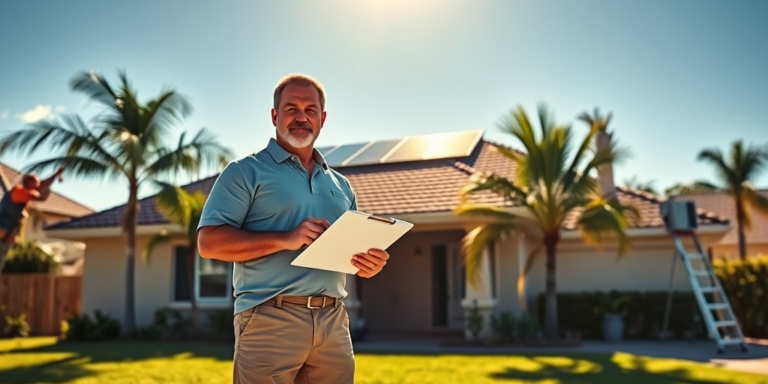
In a world where renewable energy is on the rise, Florida homeowners are increasingly turning to solar power as a feasible and cost-effective option to reduce energy costs. However, with excitement often comes the risk of deception. In fact, according to the Federal Trade Commission (FTC), solar scams have surged, costing Americans millions of dollars annually. In 2021 alone, over $150 million was reported lost to solar and other energy scams (FTC.gov). As we approach 2025, it is crucial for homeowners to be more vigilant than ever in protecting themselves from these scams. Hence our article, Don’t Risk It: Common Solar Scams Florida Homeowners Must Be Aware Of, tackles this issue head-on. We will delve into the types of scams prevalent in Florida, especially as new solar incentives and regulations emerge, making the situation even more pressing. Throughout this article, we will explore five critical sections: a deep dive into common scams with a real case study, actionable steps to protect yourself, persistent myths that need debunking, a local focus highlighting Florida-centric issues, and a comprehensive technical analysis of solar systems. Equip yourself with the knowledge and tools you need to navigate your solar journey safely and intelligently.
The Hidden Dangers of Solar Scams: A Deep Dive
To protect yourself and your investment, it’s essential to recognize the various forms that solar scams can take. Just recently, Elaine, a homeowner in Orlando, found herself lured by a flashy advertisement for “free solar installations.” After exhaustive phone calls and online research, she thought she had secured a deal that would allow her to save money on her electric bill while helping the environment. Unfortunately, that wasn’t the case. Months later, she discovered that the company she contracted had a track record riddled with complaints, and her supposed ‘free installation’ came with hidden fees and overblown expectations.
This example illustrates the troubling reality of scams targeting hopeful solar customers. More than **12% of Floridians** reported receiving aggressive sales tactics or misleading claims from inexperienced or unscrupulous salespeople (SolarReviews.com). To help you avoid falling into similar traps, we’ve outlined essential steps to spot and avoid these scams:
- Do Your Homework – Research companies thoroughly. Look for their reputation online and check reviews from legitimate sources.
- Get Multiple Quotes – Seek several proposals before making a decision. This can give you a clearer picture of fair market rates.
- Don’t Succumb to Pressures – Be wary of aggressive sales tactics that push you to sign contracts without adequate time for review.
- Watch for Unregulated Incentives – Some scams advertise government rebates that may not exist or are exaggerated.
- Consult with Certified Professionals – Engaging with authorized solar contractors will ensure that you’re making informed decisions.
Every Florida homeowner should also recognize and dispel common myths around solar energy. For instance, it’s a prevalent belief that solar systems are too expensive upfront. In reality, with the state’s significant tax incentives and financing options, many homeowners find that the initial investment pays for itself over time.
5 Common Solar Myths Debunked
Many misconceptions exist that potentially mislead homeowners. Here we debunk some of the most widespread solar myths:
- Myth #1: Solar Panels Are Too Expensive – The reality is that state incentives and financing options greatly reduce upfront costs, making solar energy accessible to many homeowners.
- Myth #2: Solar Systems Require Unbearable Maintenance – Most systems only require occasional cleaning and inspection, and they are built to withstand Florida’s weather.
- Myth #3: Installing Solar Will Hurt Your Property Value – On the contrary, studies show that homes with solar installations actually sell for more than their non-solar counterparts.
- Myth #4: All Solar Companies Are Reliable – Not every company is trustworthy. It’s imperative to vet installers carefully and check for licensure and customer reviews.
- Myth #5: Solar Energy Is Ineffective on Cloudy Days – Even on overcast days, solar panels can still function; the technology is designed to harness indirect sunlight.
Understanding these myths empowers homeowners to make educated decisions as they consider solar power for their homes.
Protecting Yourself with Local Insights
Florida homeowners must also consider local factors that can shape both the feasibility and viability of solar energy. For instance, recent legislation has improved net metering policies, which allow homeowners with solar panels to receive credit for excess energy sent back to the grid. However, with these changes come larger corporations targeting desperate homeowners through misleading advertisements. This local focus invites scammers to exploit overzealous homeowners looking to invest in solar energy.
- Conduct Regular Evaluations – Annually evaluate your solar agreement and energy billing to catch discrepancies or unexpected charges.
- Leverage Local Resources – Local solar energy associations offer assessments and guidelines for recognizing trustworthy service providers in your area.
- Educate Yourself Continuously – Research helps you remain aware of pending regulations affecting solar energy markets and potential scams.
These local insights provide a framework for understanding what to expect when transitioning to solar energy. Florida homeowners have the opportunity to embrace solar power, but vigilance is key in avoiding scams and ensuring a fruitful investment.
Technical Deep-Dive: Understanding Your Solar System
Being informed about the technical aspects of solar systems is vital for Florida homeowners. Your solar energy system consists of several components, all of which need to work correctly to maximize effectiveness. Here’s a closer look at these elements:
- Solar Panels – Usually made from crystalline silicon or thin film technology, they capture sunlight and convert it into electricity.
- Inverters – These devices convert direct current (DC) generated by the panels into alternating current (AC) that powers your home.
- Batteries – Integrated energy storage systems allow homeowners to store energy for later use, enhancing energy independence.
- Monitoring Systems – Essential for tracking energy production and consumption; these systems help ensure that everything runs smoothly.
- Grid Connection – Linking your system with the local grid allows you to sell back excess energy or draw energy when needed.
Knowledge about these components can help you identify whether a contractor is offering a competitive—and legitimate—solution. Always select certified installers who understand the technical specifications and installations that comply with Florida’s unique energy landscape.
Next Steps for Florida Solar Buyers in 2025
As you embark on your solar journey, taking methodological steps can prevent you from falling victim to scams. Here’s your actionable checklist:
- Step 1: Audit Your Electric Bill – Review previous bills to analyze your energy needs and potential savings through solar.
- Step 2: Research Solar Providers – Identify local, licensed solar installers with verifiable track records.
- Step 3: Understand Installation Costs – Get quotes that break down all costs, including rebates and financing options, while questioning any low-ball estimates.
- Step 4: Read the Fine Print – Contracts should be fully transparent. Seek clarification on any terms that seem ambiguous.
- Step 5: Plan for Maintenance – Consider ongoing costs associated with panel maintenance and warranties; know what you’re signing up for.
By adhering to these steps, you position yourself securely within the solar landscape, avoiding common pitfalls that can lead to financial loss.
Conclusion: Making the Solar Choice Wisely
As Florida homeowners, the opportunity to invest in solar energy while avoiding scams hinges on understanding the landscape. Throughout this article, we explored the critical dangers of solar scams, armed you with actionable steps, debunked misleading myths, highlighted local insights, and provided a technical understanding of solar systems. The journey toward solar empowerment begins with informed choices. Don’t let excitement cloud your judgment—be a vigilant consumer. Your family’s financial future and energy independence depend on it.
Ready to start your solar journey in 2025? Connect with a certified expert at nyelectricandsolar.com today.
Related Articles
More insights about Solar Scams

Warning: Don’t Overlook These Solar Scams to Avoid

Don’t Miss This Critical Alert About Solar Scams

Don’t Ignore These Critical Solar Scams to Avoid
Ready to Go Solar?
Have questions about solar energy? Our experts are here to help you make the switch to clean, renewable energy.