
Beginner’s Guide to Solar Panel Lifespan and Durability
Share:
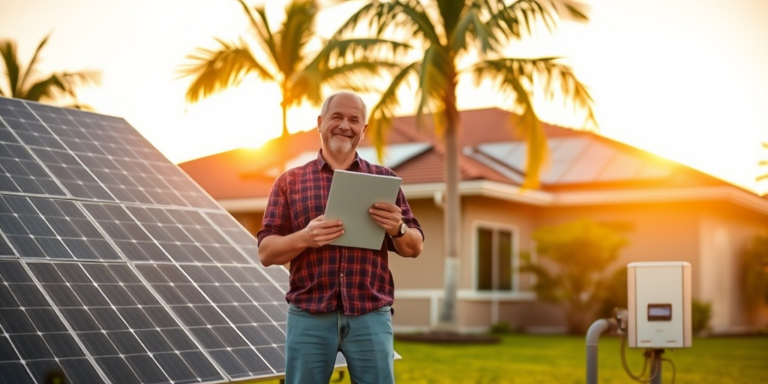
In the golden sunshine of Florida, an invisible revolution is taking place. Over the last decade, solar energy has swiftly transitioned from a niche market into a mainstream energy source that many Floridians can’t stop discussing. Did you know that Florida ranks third in the United States for installed solar capacity, trailing only California and Texas? According to recent reports, as of 2023, over 800,000 solar systems have been installed across the state (SolarReviews.com). But, as a Florida homeowner or commercial property owner considering a jump into the solar realm in 2025, one important question looms large: how long do solar panels actually last? This is the focus of our discussion in this Beginner’s Guide to Solar Panel Lifespan and Durability.
As energy costs continue to escalate, understanding this topic is vital. In 2025, with rising energy costs and new solar incentives designed to make going solar even more attractive, you want to be informed about the durability and sustainability of your investment. With the ongoing transformation in energy policy and the promotion of cleaner sources, more homeowners and business owners are contemplating their options in solar energy. By arming yourself with knowledge, you can make choices that lead to significant savings and energy independence.
This journey through the beginner’s guide will cover five critical sections: first, we will dive deep into the lifespan and durability of solar panels, examining real-life case studies and technical details; next, we will provide a checklist that will help streamline your solar investment; then, we’ll debunk common myths surrounding solar panel longevity; after that, we will focus on how these principles apply specifically within Florida’s unique environment; finally, we’ll digest actionable steps you can take to navigate the solar landscape effectively in 2025. Let’s embark on this enlightening journey together!
The True Lifespan and Durability of Solar Panels: What Every Florida Homeowner Should Know
Solar panels are traditionally built to endure the natural elements over extended periods. While common misconceptions suggest that these systems deteriorate quickly, the reality tells a different story. A hypothetical case study involves a family in Orlando, eager to cut their electric bills while embracing renewable energy. After extensive market research, they settled on high-efficiency solar panels with an anticipated lifespan of 25 to 30 years.
Two decades later, this family reports minimal degradation, with their energy savings far exceeding their initial investment. In fact, recent studies show that the majority of modern solar systems can produce 80% of their original capacity even after 25 years (NREL.gov). This is a testament to the durability and longevity of solar technology.
- Case Study: A Long-Term Investment – The Davis family from Orlando experienced significant savings after installing their solar panels. They recognized that their investment would likely pay off within 7–10 years, resulting in continued savings for the subsequent decades.
- Checklist for Solar Panel Survivability – Here’s how you can ensure the longevity of your panels:
- Choose High-Quality Panels: Not all panels are created equal. Look for recognized brands that offer warranties extending beyond 25 years.
- Location and Installation: Professional installation is key—ensure panels are mounted securely and optimally for sunlight exposure.
- Regular Maintenance: Maintenance is essential. Schedule annual professional cleanings and inspections to catch any minor issues early.
- Monitor Performance: Use monitoring systems to track energy production and detect abnormalities. Address any declines immediately.
- Insurance: Invest in proper insurance that covers potential damages from storms or falling debris, common in Florida’s climate.
Myth-Buster: Common Misconceptions About Solar Lifespan
- Myth #1: Solar Panels Only Last 10-15 Years. – Most reputable solar panels have a life expectancy of 25 years or more, with proven resilience to environmental factors.
- Myth #2: Solar Panels Lose Efficiency Quickly. – After 25 years, panels typically retain about 80% of their efficiency (NREL.gov), significantly better than misconceptions suggest.
- Myth #3: Maintenance is Too Difficult and Expensive. – In reality, solar panels require minimal upkeep and cost-effective solutions are widely available.
- Myth #4: Cheap Panels Will Suffice. – While low-cost options may save money upfront, investing in quality panels will yield greater savings over their lifespan.
- Myth #5: Solar Is Unreliable in Florida’s Storm Season. – With proper installation and technology, solar panels can withstand Florida’s extreme weather conditions.
By understanding these truths and misconceptions, Florida homeowners can navigate their decision-making with confidence. Furthermore, it’s crucial to recognize the specific factors that affect Florida’s solar market. For instance, Florida legislation encourages renewable energy utilization, with substantial financial incentives for homeowners looking to go solar in 2025.
Florida-Specific Insights on Solar Panel Durability
Positioned in a sunny climate with heavy storms, Florida presents a unique landscape for solar energy systems. Here are important considerations that center on how the local environment influences solar panel performance and lifespan.
- Climate Considerations – Florida’s sun-soaked atmosphere often equates to high system efficiency, with solar panels capable of generating significant energy throughout the year.
- Hurricane-Proof Designs – Many Florida solar installations are designed to withstand hurricane winds, ensuring your investment stays secure even during extreme weather.
- Local Incentives – Take advantage of Florida’s tax incentives for solar installation. The state permits a property tax exemption for the added value of a solar system, maximizing your return on investment.
- Local Expertise – Collaborate with Florida-based installers who understand regional weather and regulatory standards, ensuring you get the most optimum systems tailored for your property.
As you continue your journey into the solar world, engaging with experienced Florida vendors like nyelectricandsolar.com will give you the local insight and expertise needed for a successful investment.
5 Expert Solar Installation Tips for 2025 to Maximize Life Expectancy
As solar energy becomes an increasingly viable option, adapting to the best practices for installation is crucial. Here are impactful expert installation tips for homeowners embarking on their solar journey.
- Optimal Placement is Key – Install panels where they receive maximum sunlight without obstruction from trees or buildings. Correct positioning will ensure optimal energy production.
- Invest in High-Quality Hardware – Quality inverters and mounting systems are just as crucial as the solar panels themselves. Don’t compromise on materials.
- Routine Maintenance – Schedule annual inspections and maintenance to keep your systems in peak condition. Look into local providers who will understand Florida’s specific needs.
- Battery Storage Integration – Consider adding battery storage to your systems. This addition allows you to take control during peak usage and power outages, enhancing reliability.
- Stay Informed About Legislation – Keeping abreast of local and state energy regulations could lead to financial incentives or rebates for your installation.
As you embark on your solar power journey, investing in quality products alongside expert installation creates a firm foundation for efficiency and longevity. This can dramatically decrease your long-term energy costs.
A Fictional Yet Realistic Homeowner Journey: The Morales Family’s Solar Adventure
Meet the Morales family from Tampa, an enthusiastic group ready to embrace solar energy in their quest to lower energy bills. Facing extreme electricity costs, they recognize that converting to solar power could provide substantial savings.
- Step 1: Research – The Morales family spent time researching potential solar suppliers while reading online reviews and comparing products.
- Step 2: Get Quotes – After narrowing down their options, they contacted several companies for quotes, looking for transparent pricing and detailed product information.
- Step 3: Installer Selection – They decided on Florida Electric & Solar after evaluating customer service and their strong reputation for quality installations.
- Step 4: Installation Process – Once installation began, the Morales family was impressed by how seamlessly the entire process unfolded, noting that experts ensured proper setup and upkeep.
- Step 5: Reaping Benefits – Two years into solar energy, they report a remarkable 50% reduction in monthly energy bills, adding that their investment has already begun to pay off.
The Morales family demonstrates that making the switch to solar is not only feasible but also beneficial. Their story is bound to resonate with many Florida homeowners who might find themselves wavering in their decisions.
Next Steps for Florida Solar Buyers in 2025
As you consider transitioning to solar energy, it’s vital to outline actionable steps to ensure smooth navigation through the purchase process. Take note of the following crucial steps:
- Step 1: Audit Your Electric Bill – Review your past electricity costs. Understanding your consumption is essential in choosing the right solar system size.
- Step 2: Research Solar Options – Explore different types of panels, inverters, and battery storage options to determine the best fit for your household needs.
- Step 3: Consult with Experts – Reach out to certified professionals for assessments and advice. Their guidance will help tailor your energy solutions.
- Step 4: Apply for Incentives – Investigate available incentives from state and federal programs that could substantially reduce your initial costs.
- Step 5: Maintenance Planning – Set up a maintenance schedule post-installation to maximize longevity and efficiency of your solar system.
By following these steps, you’ll be prepared to navigate the complexities of the solar market in 2025 with confidence. Furthermore, leveraging resources available from nyelectricandsolar.com will provide additional support as you transition.
In conclusion, the journey towards adopting solar power can be both fulfilling and liberating. Each section of this Beginner’s Guide to Solar Panel Lifespan and Durability leads you toward understanding the true value of solar energy, reassuring you about longevity and cost-efficiency. Acknowledging the durability of solar panels will empower you to invest wisely in the coming years. As energy prices continue to soar, now is the time to act. Seize the opportunity for savings, environmental responsibility, and future security for you and your family.
Ready to start your solar journey in 2025? Connect with a certified expert at nyelectricandsolar.com today.
Related Articles
More insights about Solar Panel

How Many Solar Panels Do You Need in Upstate New York?

Florida Homeowners: Why Solar Panel Maintenance Is Essential

7 Essential Steps for Solar Panel Installation Success
Ready to Go Solar?
Have questions about solar energy? Our experts are here to help you make the switch to clean, renewable energy.