
Warning: Avoid These Critical Solar Scams Targeting Florida Homeowners
Share:
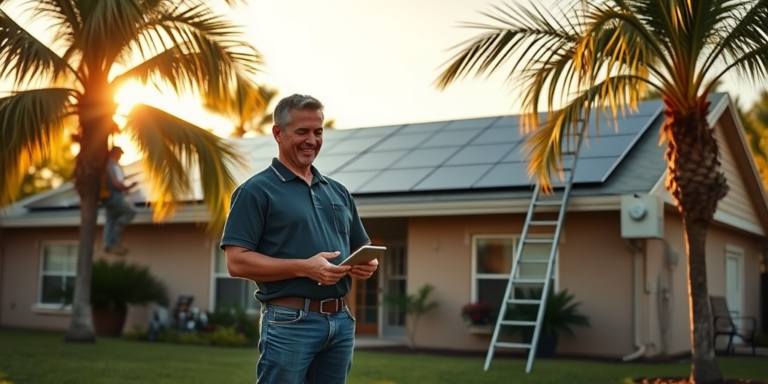
In today’s solar landscape, Florida homeowners face an alarming reality. Did you know that nearly 25% of all solar installations are fraught with scams or misleading practices (SEIA.org)? That’s a staggering statistic that should serve as a wake-up call for anyone considering switching to solar energy in 2025. Moreover, the Florida solar industry has seen explosive growth in recent years, with over 700 megawatts of solar capacity installed in 2021 alone, which translates into millions in potential savings for residents (SolarReviews.com). If you’re contemplating harnessing solar power for your home or business, you must navigate these choppy waters carefully. This blog, titled Warning: Avoid These Critical Solar Scams Targeting Florida Homeowners, examines the intricate web of misinformation, deceit, and potential pitfalls that can accompany your solar journey.
As electricity prices in Florida continue to rise, along with increasing grid instability and the ever-looming threat of climate change, there has never been a better time to explore the benefits of solar power. However, the urgency to act comes with an equal need for caution. In this blog, we’ll dive deeply into the following sections:
- Critical Case Studies of Scams
- The Essential Homeowner’s Checklist
- Solar Scams You Need to Bypass
- Florida’s Unique Risks and Solutions
- Your Action Plan for a Secure Solar Investment
By the end of this article, you’ll be armed with the knowledge and tools necessary to protect your investment and make informed decisions about your transition to solar energy.
Understanding Critical Solar Scams through Real-Life Cases
Meet Jennifer, a Florida homeowner, who, in her pursuit of sustainable energy, found herself entangled in a deceptive solar installation scheme. Driven by rising electricity bills and a desire to reduce her carbon footprint, Jennifer contacted a well-marketed company that promised significant savings and a quick installation process. Eager to make the switch, she signed the agreement without conducting thorough research. Within months, she discovered that her installation was riddled with issues: the panels were poorly placed, the inverters were outdated, and the promised savings had evaporated.
This unfortunate scenario is more common than you might think. So how can you protect yourself from such scams? Here’s a quick checklist to follow:
- Step 1: Always research the company and read reviews from verified customers.
- Step 2: Get multiple quotes to compare prices and offers.
- Step 3: Verify the credentials of the installers; are they licensed and insured?
- Step 4: Understand the technology you’re purchasing—know the difference between various solar panels and inverters.
- Step 5: Review all contracts thoroughly before signing and consult with an expert or a legal adviser.
Each of these procedural steps can save you from experiencing the emotional and financial fallout that Jennifer faced.
Moreover, let’s talk about some lingering myths surrounding solar energy that can lead homeowners astray:
- Myth #1: Only big homes can benefit from solar energy. In reality, solar power can benefit any home, regardless of size.
- Myth #2: Solar panels require excessive maintenance. In truth, modern panels are designed to be low maintenance and only need periodic cleaning.
- Myth #3: You can’t go solar if you have a shady yard. Innovative technologies like microinverters allow solar systems to function efficiently in partial shade.
With more than 6% of homes in Florida already powered by solar energy as of 2023 (NREL.gov), understanding the realities versus the myths is vital. By arming yourself with knowledge, you protect your investment and help guide others in your community.
In examining Jennifer’s case and the broader trends, it becomes clear that victims of solar scams often fall prey due to a lack of knowledge about how the industry functions. Florida solar panels must adhere to specific regulations and incentives, including the Solar Energy System Tax Exemption, which removes sales tax from solar products (DSIREUSA.org). Understanding such local legislation can empower you and help you take full advantage of any savings or incentives available to you.
The Essential Homeowner’s Checklist: Safeguarding Your Solar Investment
It’s crucial to have a systematic approach when engaging with potential solar installers. By following a well-defined checklist, Florida homeowners can greatly mitigate their risk of falling victim to scams. Here’s a fundamental framework for you to consider:
- Research Credentials: Check that your company is registered with the Florida Department of Business and Professional Regulation.
- Ask for References: Speak to prior customers and, if possible, visit local installations in your area.
- Review Contracts Carefully: Ensure the agreement includes timelines, warranties, and details about the equipment being installed.
- Examine Financing Options: Understand what financing is available and ensure there are no hidden costs or fees.
- Stay Informed on Local Laws: Regularly check updates regarding incentives and regulations through local authorities or trusted solar advocacy organizations.
Each of these steps not only helps in creating a better solar experience but also fosters confidence in your chosen solar solution. Furthermore, Florida is ripe with financial incentives, making now an ideal time to invest in solar technology. It’s estimated that Floridians can save over $25,000 on average over the life of their system due to not just energy savings but also tax incentives (SEIA.org).
Debunking Common Solar Myths that Could Cost You
In our journey toward understanding solar scams, we must tackle the myths that persist around solar energy. This misinformation can cloud judgment, leading homeowners to sidestep beneficial opportunities. Let’s dispel some of these myths:
- Myth #1: Solar power is only effective in certain climates. Fact: Florida boasts an abundance of sunny days, making it one of the best states for solar energy generation.
- Myth #2: Installing solar panels will significantly damage your roof. In reality, many solar installations can extend your roof’s longevity as the panels shield it from harsh weather.
- Myth #3: Solar panels negatively affect home resale value. On the contrary, homes equipped with solar panels usually have higher resale values and can sell faster than those without (SolarReviews.com).
Educating yourself about these misconceptions could lead to more informed decision-making in your solar journey. Knowledge is power, and when it comes to solar energy, it very well could be the difference between financial loss and savings.
Florida’s Unique Risks and How to Navigate Them
Florida has a unique solar energy landscape, characterized by both remarkable opportunities and specific risks associated with solar power. As a homeowner, becoming aware of local legislation, state incentives, and scams that are rampant in the area can position you to make the right choices. Here are several critical aspects to keep in mind:
- Local Energy Policies: Understanding Florida’s regulatory framework surrounding solar energy will ensure that you remain compliant with state laws—failure to do so could lead to costly fines.
- Public Utility Commissions: Engage with local utility companies. Know which ones are supportive of solar integration to avoid surprise costs or roadblocks.
- Contractor Licensing: Be vigilant in confirming that installers hold necessary licenses, as this can protect you from shoddy work or fraud.
Targeting these unique factors can significantly diminish the likelihood of encountering a scam. In 2025, as more Floridians transition to solar, being proactive about your approach will not only fortify your knowledge but also contribute to overall community health and safety.
Your Action Plan for a Secure Solar Investment
The final step to ensuring a legitimate solar experience is understanding your actionable steps for 2025. Follow this guide to build your own robust action plan:
- Step 1: Audit Your Electric Bill – Review your past bill statements to understand your average consumption and cost, helping you tailor your solar system needs.
- Step 2: Schedule a Consultation – Set up discussions with several companies to evaluate offerings and prices without rushing into agreements.
- Step 3: Investigate Incentives – Explore local, state, and federal incentives that could reduce installation costs significantly.
- Step 4: Read Up on Technology – Familiarize yourself with solar panels, batteries, and inverters to make informed purchase decisions.
- Step 5: Engage Legal Help if Necessary – If you feel unsure about any contracts, consider consulting a professional to review your terms.
By taking these steps, you’re fortifying yourself against potential scams while paving a smooth path toward energy independence. For more in-depth guidance, you can always visit nyelectricandsolar.com to connect with certified solar experts.
Conclusion: Embrace Solar with Confidence
In summary, navigating the solar industry as a Florida homeowner requires vigilance, education, and proactive measures. You’ve learned about the critical scams targeting Florida homeowners and the vital steps to ensure your investment in solar energy is sound. From understanding real-life case studies to debunking harmful myths, this insightful journey arms you with the knowledge you need to protect yourself effectively.
As momentum for solar power continues to build and the push for renewable energy strengthens, acting swiftly yet cautiously remains paramount. By leveraging the tips and tools outlined in this blog, you can take advantage of what the solar energy market has to offer without falling victim to scams. The future holds incredible potential for you, your family, and your community as we strive for a sustainable tomorrow.
Ready to start your solar journey in 2025? Connect with a certified expert at nyelectricandsolar.com today.
Related Articles
More insights about Solar Scams

Warning: Don’t Overlook These Solar Scams to Avoid

Don’t Miss This Critical Alert About Solar Scams

Don’t Ignore These Critical Solar Scams to Avoid
Ready to Go Solar?
Have questions about solar energy? Our experts are here to help you make the switch to clean, renewable energy.