
Don’t Delay Solar Panel Installation: Critical Risks You Need to Know
Share:
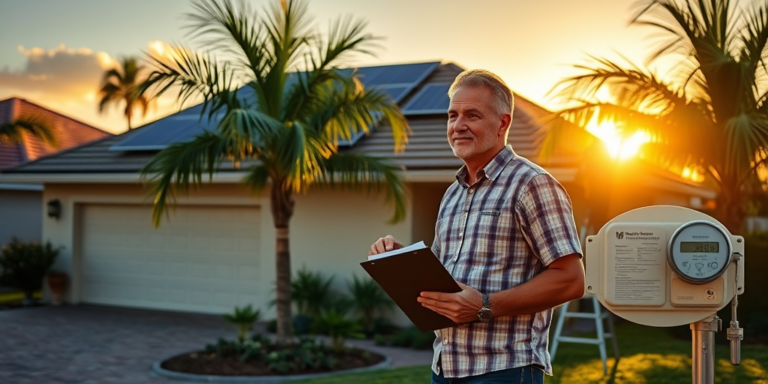
Imagine a Florida homeowner named Carla, who has always dreamt of reducing her monthly energy bills while also doing her part for the environment. In 2025, with skyrocketing electricity prices and enticing solar incentives, she finally decided to install solar panels on her rooftop. However, what Carla didn’t realize was that delaying her decision would come with severe risks, ranging from escalating costs to missed federal rebates. Sadly, many Floridians find themselves caught in similar situations, pondering their solar energy options while the clock ticks away. In our blog titled “Don’t Delay Solar Panel Installation: Critical Risks You Need to Know”, we discuss the crucial risks associated with delaying solar panel installation, particularly in the Sunshine State, where residents could benefit enormously from harnessing the sun’s energy.
As of early 2025, it’s estimated that the average Florida homeowner could save over $15,000 throughout a 25-year period by switching to solar power (SolarReviews.com). Additionally, solar energy usage in Florida has increased by 94% in the past five years alone (SEIA.org). These stark figures should serve as a wakeup call for all Florida homeowners thinking about solar energy. The urgency cannot be overstated: with new policies, incentives, and a shifting energy landscape, now is the time to act. In this post, we will address five critical sections: (1) the emotional and financial consequences of delay, (2) an actionable checklist for solar installation, (3) common myths and misconceptions about solar energy, (4) a local focus on Florida’s unique market, and (5) an in-depth technical view of solar systems.
Critical Risks of Delaying Solar Panel Installation
Many homeowners in Florida may assume that they can always “wait a little longer” to install their solar panels, but this choice can lead to a range of dire consequences and missed opportunities.
Consider the story of James and Lisa, a couple from Fort Lauderdale. They had been contemplating solar energy for two years, regularly checking prices and exploring options, but continuously postponed their installation due to uncertainties about pricing and the efficiency of technology. By the time they decided to move forward in late 2025, they found installation costs had risen dramatically. Market demand had surged, and key local tax incentives had already expired, which meant they faced an additional out-of-pocket expense they could have avoided. As more homeowners become cognizant of the benefits of solar, supplies dwindle, and companies adjust their pricing—leaving latecomers in the lurch.
Essential Checklist for Solar Installations
To help Florida homeowners avoid the pitfalls of delayed solar installation, here’s a five-step checklist:
- Step 1: Evaluate Your Energy Needs
Before anything else, it’s vital to analyze your current energy consumption. Check your electric bills for the past year and identify your average monthly usage. - Step 2: Set a Budget
Understand your financial limits. The average Florida homeowner spends around $18,000 to $25,000 for a residential solar system (NREL.gov). Factor in potential rebates and loans. - Step 3: Research Local Solar Companies
Not all solar installation companies are created equal. Research local options, read customer reviews, and verify licensing and certifications to ensure you are choosing a reputable installer. - Step 4: Understand Your Financing Options
Solar loans, leases, and PPAs (Power Purchase Agreements) are all viable options. Understand each payment structure and find the best fit for your financial situation. - Step 5: Plan for the Future
Consider what energy efficiency improvements you might need in the future. If you plan to add electric vehicle charging or expand your home, it’s essential to factor that into your system’s design.
By following this simple checklist, homeowners can mitigate the risks associated with delayed solar installations and position themselves for future savings.
Myth-Busting Common Misconceptions About Solar Energy
Despite its benefits, many misconceptions surround solar energy that can keep homeowners from making the plunge into solar panel installation.
- Myth #1: Solar Panels Are Too Expensive
Many people think that the initial cost is too high without considering government incentives, rebates, and finance options. In reality, solar energy can lead to substantial long-term savings (SolarReviews.com). - Myth #2: Solar Works Only in Sunny States
While Florida is known as the Sunshine State, solar technology has advanced to capture sunlight effectively in overcast conditions as well. - Myth #3: Solar Maintenance is a Hassle
Solar panels require minimal maintenance. Regular cleaning and an occasional inspection are typically all that’s required to keep systems running efficiently. - Myth #4: Installing Solar Panels Makes My Home Harder to Sell
In fact, homes equipped with solar panels sell faster and for 4.1% more than those without (SEIA.org). - Myth #5: Solar Isn’t Reliable
The emergence of modern battery storage systems allows homeowners to store excess energy, ensuring power availability even on cloudy days.
Debunking these myths is essential for understanding the true value and reliability of solar energy as a viable option for homeowners.
Florida-Specific Insights for Solar Installation
As “The Sunshine State,” Florida is one of the most advantageous places for solar power adoption in the U.S., but local policies and market conditions can affect decisions.
- Solar Incentives
Florida offers certain tax benefits like the Renewable Energy Property Tax Exemption, which allows homeowners to save on property taxes post-installation. - Net Metering
This policy enables homeowners to receive credit for energy they feed back into the grid, which means not only can homeowners save on utility bills, but they can also earn from surplus energy production. - High Utility Rates
Florida homeowners face some of the highest electric rates in the nation which can amplify the savings when switching to solar compared to non-solar users.
Taking advantage of these local benefits while they last is crucial for homeowners eager to harness the benefits of solar energy.
Understanding Solar Technology and Its Benefits
Many homeowners often overlook the technical details behind solar panels and batteries, yet understanding their function can help inform decision-making.
Solar panels primarily operate by converting sunlight into electricity, but the efficiency can depend heavily on system components:
- Solar Panels – These are the primary component, with insulation properties that vary by manufacturer. The industry average for panel efficiency is around 20% (NREL.gov).
- Inverters – This technology converts the direct current (DC) produced by solar panels into alternating current (AC) used by home appliances. Choosing high-efficiency inverters can yield better energy outputs.
- Storage Batteries – Energy storage is invaluable in maximizing solar use. Homeowners with energy storage can draw power from their batteries during peak rates or power outages, mitigating their dependency on the grid.
- Billing Structures – Understanding how your energy utility bills work can directly impact your decision towards installing solar systems and how the savings will accumulate over time.
A healthy understanding of these technical aspects—combined with the urgency of 2025 market conditions—can empower homeowners, ensuring they make informed decisions about their solar journeys.
Next Steps for Florida Solar Buyers in 2025
If you’re a Florida homeowner contemplating solar panel installation, it’s vital to proceed with confidence. Here’s a straightforward five-step action plan:
- Step 1: Audit Your Electric Bill
Understand your current spending to set a clear target for savings based on your solar energy potential. - Step 2: Get Multiple Quotes
Seeking quotes from multiple firms ensures you get a competitive price for your solar installation, improving your overall value. - Step 3: Make a Home Efficiency Upgrade
Before installing solar, consider investing in efficiency upgrades (insulation, energy-efficient windows, etc.) to reduce energy consumption. - Step 4: Engage a Trusted Solar Installer
Ensure you choose a contractor with solid experience and customer reviews—don’t hesitate to interview them. - Step 5: Monitor Your Solar Performance
Once installed, keep tabs on your system to ensure it’s performing optimally and addressing any concerns early.
Executing this action plan with precision will help Florida homeowners sidestep the risks of delay and set them on a prosperous solar trajectory.
In conclusion, making the switch to solar energy can significantly reduce energy costs, benefit the environment, and contribute to your home’s overall value. Delaying this decision can lead to many risks, particularly in the fast-evolving market of 2025. The critical insights shared in this guide serve to accelerate your decision-making process. Solar energy is no longer a distant possibility; it’s today’s reality for Florida homeowners. The time to act is now.
Ready to start your solar journey in 2025? Connect with a certified expert at nyelectricandsolar.com today.
Related Articles
More insights about Solar Panel

How Many Solar Panels Do You Need in Upstate New York?

Florida Homeowners: Why Solar Panel Maintenance Is Essential

7 Essential Steps for Solar Panel Installation Success
Ready to Go Solar?
Have questions about solar energy? Our experts are here to help you make the switch to clean, renewable energy.