
Myth: Solar Panel Installation Isn’t Affordable for Florida Homeowners
Share:
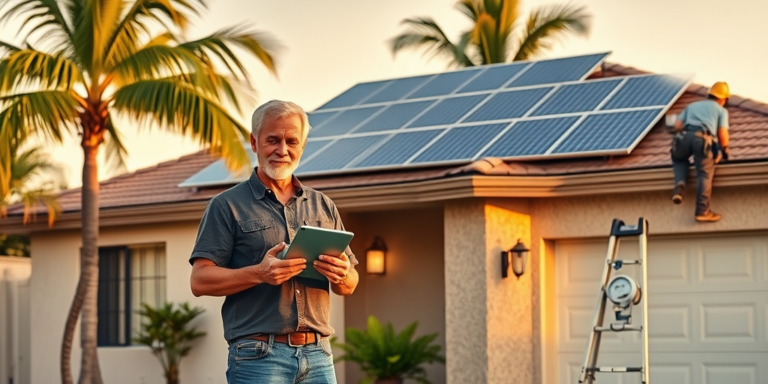
Have you ever wondered how much sunlight hits Florida every year? The answer is staggering: Florida is known as the “Sunshine State” for a reason—it enjoys an average of 237 sunny days each year, translating to roughly 5,000 hours of sunlight! Yet, despite this abundant resource, many Florida homeowners still cling to the myth that solar panel installation isn’t affordable. This myth is not only outdated but also detrimental to homeowners who could benefit from going solar. In our article titled Myth: Solar Panel Installation Isn’t Affordable for Florida Homeowners, we’re diving deep into the realities you need to know. With newer incentives and financing options emerging, it’s crucial to understand how solar has become increasingly accessible. In 2025, rising energy costs coupled with state and federal incentives make this the perfect time for Floridians to explore solar options. Did you know that solar installations in Florida increased by a whopping 64% from 2019 to 2020? That’s a clear indication that interest is on the rise (SEIA.org). Additionally, over 80% of Floridians support the use of solar energy as a means to power their homes. This support is reflected in the policy environment, such as the reduction of upfront installation costs, making solar systems more affordable than ever (Energy.gov). In this blog post, we will uncover five key aspects of solar panel affordability to help you navigate through the misconceptions surrounding solar energy in Florida.
In the following sections, we will explore:
- A deep dive into the real costs of solar installation.
- Actionable steps to make solar energy economical for your household.
- The most common myths that deter homeowners from going solar, debunked.
- Local focus on Florida’s solar marketplace and financial incentives.
- A technical deep dive that explains the technology behind solar power and how it benefits you.
Unveiling the Real Costs of Solar Installation in Florida
The common perception is that solar panels carry an exorbitant price tag, but let’s set the record straight. The sticker shock often associated with solar energy comes from a lack of information regarding financing options and state incentives. For instance, the average cost per watt for solar systems has decreased significantly. In fact, solar panel prices have dropped by over 70% in the last decade (SolarReviews.com). Now, let’s explore a case study of a hypothetical Florida family—meet the Sanchez family of Tampa.
Recently, the Sanchez family decided to take the plunge into solar energy after buying their first home. Initially concerned about the total costs, they performed thorough research and discovered several financing options available. Through the federal Investment Tax Credit (ITC), they were eligible for a 26% tax credit on the cost of their system. In addition, they qualified for a unique local financing program that reduced their overall costs even more. The end result? Their initial outlay reduced significantly, allowing them to enjoy lower monthly electric bills while generating their own energy. Thanks to this strategy, they calculated an estimated savings of over $20,000 in electricity costs over 20 years. The Sanchez family is not alone—others like them are realizing the financial advantages of going solar (NREL.gov).
Here is a checklist of actionable items to help you embark on your solar journey:
- Step 1: Calculate your current energy usage—this will provide a baseline for what your solar needs will be.
- Step 2: Research financing options available, such as loans, leases, or power purchase agreements (PPAs).
- Step 3: Take advantage of state and federal incentives for cost reduction—these can significantly lower your overall expenses.
- Step 4: Compare different installation companies. Don’t go for the first quote—shop around to get the best deal.
- Step 5: Schedule consultations with certified solar providers to discuss personalized options that fit your budget.
This all leads us to tackle a prevalent myth within the realm of solar energy. Many believe that only wealthy homeowners can afford solar, but this couldn’t be further from the truth.
Debunking Common Solar Myths
Myth #1: Solar panels are too expensive for the average homeowner.
Contrary to this belief, solar prices have significantly dropped, and many financing options reduce upfront costs. Most people can find a solar solution that fits their budget.
Myth #2: Solar installations are only worth it in high-sun areas.
Although Florida is well-equipped with sun, solar panels still work in cloudy weather. Even minimal sunlight can generate power, making it beneficial even in less-than-perfect conditions.
Myth #3: Solar systems require too much maintenance.
Solar panels are designed for low maintenance, usually requiring a simple cleaning a few times a year. The systems are also built to last for decades.
Myth #4: You can’t sell your home with a solar system.
In reality, homes equipped with solar panels often sell at a premium compared to standard homes. Buyers appreciate the lowered electricity costs.
Myth #5: You only benefit from solar if you own your home.
With the rise of leasing options, renters can now access solar benefits. Community solar programs also provide alternatives for those who don’t own property.
If you’re truly interested in maximizing your solar savings, it’s vital to understand these common misconceptions and focus on the vast opportunities available within the solar marketplace.
Why Florida is a Solar Power Leader
One cannot overlook Florida’s unique advantages regarding solar energy. With an abundance of sunshine, Florida is positioned as one of the leading states in solar capacity. Currently, Florida ranks third in the nation for installed solar capacity, trailing only California and Texas (Energy.gov). Understanding this local focus will help you identify the right opportunities for your solar installation.
There are several key incentives and programs available specifically in Florida:
- Net Metering: Homeowners can receive credit for excess electricity generated by their solar panels, offsetting their future energy bills.
- Sales Tax Exemption: Solar equipment purchases are exempt from state sales tax, resulting in direct savings at the point of sale.
- Property Tax Exemption: Installing solar panels will not increase your property taxes, allowing you to maximize your investment.
Floridian homeowners can also benefit from skilled solar installation companies familiar with local ordinances and guidelines. At nyelectricandsolar.com, we help guide you through the process, ensuring that you take advantage of any local programs that can enhance your return on investment.
5 Best Practices for Effective Solar Installation
By now, you may be ready to take action. Here are five expert tips that can help you maximize your investment in solar energy:
- Site Evaluation: Choose the right location for installation. Ensuring unobstructed sunlight is pivotal to the effectiveness of your solar panels.
- Quality Equipment: Invest in high-quality solar panels and inverter systems. Quality upfront can lead to better long-term performance and durability.
- Check with Your Local Utility: Understanding net metering policies and utility rates can help you tailor your solar investment to maximize financial returns.
- Monitor Your System: Installing monitoring software can help you track your energy production and ensure your system is performing at optimal levels.
- Engage Experts: Work with certified solar installers for tailored solutions that fit your energy needs and budget. The right expertise makes all the difference.
By focusing on these practices, Florida homeowners can better prepare for their solar journeys and ensure they get the most out of their systems for years to come.
Next Steps for Florida Solar Buyers in 2025
Are you ready to take the plunge? Following these guidelines will help streamline your transition to solar energy:
- Audit Your Electric Bill: Understanding your current energy usage provides clarity on what size solar system you need.
- Contact Qualified Solar Providers: Scheduling consultations provides critical insight into the options available that could best suit your financial situation.
- Consider Financing Options: Investigate grants, low-interest loans, or incentives that can provide monetary support for your installation.
- Review Your Home’s Suitability: Factors such as roof angle and direction significantly impact solar energy capture—assess these before proceeding.
- Finalize Your Installation: Once you’ve decided on a provider, move forward with your installation, and enjoy the many benefits of solar energy.
If you want a trusted resource to help you navigate your solar installation in the Sunshine State, look no further than nyelectricandsolar.com. Your solar journey awaits!
Ultimately, understanding the true costs of solar installations can help you make an informed decision that benefits both your pocketbook and the environment. As rates continue to rise and technology advances, the urgency to act is clear. Solar energy represents a sustainable solution, allowing you to independently power your home while contributing to a greener Florida. Isn’t it time to be part of the solution?
Ready to start your solar journey in 2025? Connect with a certified expert at nyelectricandsolar.com today.
Related Articles
More insights about Solar Panel

How Many Solar Panels Do You Need in Upstate New York?

Florida Homeowners: Why Solar Panel Maintenance Is Essential

7 Essential Steps for Solar Panel Installation Success
Ready to Go Solar?
Have questions about solar energy? Our experts are here to help you make the switch to clean, renewable energy.