
10 Important Factors for Choosing the Right Inverter
Share:
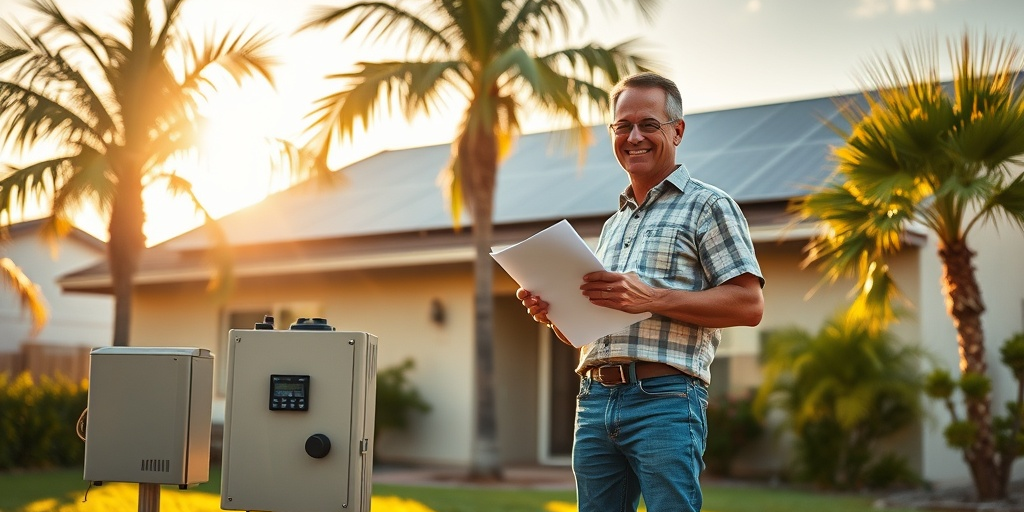
Have you ever wondered how the right inverter could be a game-changer for your solar power system? In fact, selecting the best inverter can significantly impact your solar return on investment (ROI), saving you thousands over the lifespan of your system! In Florida, where the sun shines bright, homeowners are increasingly turning to solar energy—a trend that’s set to grow exponentially in 2025. With the expectation of solar capacity to reach 3,500 MW by 2025, as per the Solar Energy Industries Association (SEIA.org), now is the perfect time to make informed decisions. This brings us to our topic: the 10 Important Factors for Choosing the Right Inverter. Finding the perfect inverter shouldn’t be a daunting task; rather, it should empower your journey toward energy independence. In this comprehensive guide, we’ll overview crucial elements that ensure you get maximum savings and efficiency from your solar investment. We will cover five sections including emotional homeowner stories, actionable checklists, myth-busters that challenge common misconceptions, a focus on Florida’s unique energy landscape, and vital technical insights. Join me as we dive into the crucial factors that will help you make the smartest choice for your solar experience in 2025!
Understanding Inverter Technology: A Deep Dive into the Essential Factors
Choosing the right inverter is paramount for Florida homeowners who want to maximize their solar savings and efficiency. Step 1: Understand Inverter Types The first factor in your decision should involve understanding the various inverter types available. String inverters are the most common, but there are also microinverters and power optimizers. Depending on your roof configuration and shading conditions, one type might outperform another.
Take, for instance, the story of Maria, a Florida homeowner who installed a solar system with a string inverter. Initially thrilled about her investment, she soon noticed that trees nearby cast shadows on some panels, affecting energy output. After researching, she switched to a microinverter system, allowing each panel to operate independently, thus significantly improving her system’s performance during peak hours.
Here is our checklist to navigate the selection process:
- Type of Inverter: Decide whether to choose string inverters, microinverters, or power optimizers based on your property layout. Check: is your roof shaded?
- Warranty: Ensure your inverter comes with a robust warranty, typically ranging from 5 to 12 years. A longer warranty often indicates a higher-quality product.
- Efficiency Ratings: Research the inverter’s efficiency ratings—look for inverters with over 95% efficiency for optimal operation.
- Brand Reputation: Consider brands with a solid track record in the industry. Established companies often offer reliable products backed by customer service.
- Installers’ Recommendations: Consult local installers familiar with Florida’s conditions; their insights might reveal hidden gems among inverter models.
Moving from understanding types, we address another concern—performance metrics. Myth #1: All Inverters Perform the Same. Many homeowners mistakenly believe that all solar inverters work identically. However, varying technologies and brand quality can lead to drastic differences in performance, efficiency, and lifespan. Statistics from SEIA indicate that a high-quality inverter can boost performance by up to 20% over lower-end models. Invest in quality, and you’ll reap the rewards!
The Financial Considerations: A Vital Aspect of Your Solar Decision
Financial implications play a huge role in determining the best inverter choice for your solar system. Step 2: Calculate Long-term Costs. When making an informed decision, assess the total cost of ownership, which includes purchase price, installation fees, maintenance costs, and potential replacements. For instance, a string inverter might be cheaper upfront but can lead to higher long-term costs due to their lower efficiency.
- Initial Investment: Consider your budget, but remember that quality often costs more initially and pays off over time.
- Projected Savings: Examine solar savings calculators specific to Florida homeowners to forecast your potential savings with various inverter types.
- Incentives and Rebates: Don’t overlook state and federal incentives; they can substantially reduce the upfront investment. In 2025, homeowners may see increased federal tax credits which can significantly impact your overall costs (DSIREUSA.org).
Another financial misconception is Myth #2: Cheap Is Always Better. While it may be tempting to go for budget models, cheaper inverters may skimp on performance and reliability. The total cost of ownership—considering efficiency, lifespan, and warranties—often favors higher-quality products. Your choice can affect your savings by thousands over your inverter’s lifespan!
Florida-Specific Insights: Navigating the Local Landscape
As a crucial factor in choosing your inverter, it’s essential to consider Florida’s unique energy policies and climate. Step 3: Adapting to Florida’s Environment. The state faces distinct challenges, such as humidity and hurricane risks, which necessitate weather-resistant and durable inverter systems.
- Weather Resilience: Ensure the inverter you select can withstand Florida’s weather conditions. Look for IP ratings that indicate their suitability for outdoor environments.
- Grid Connection: Depending on your service area, consult local utilities to understand grid requirements specific to your neighborhood.
- Community Solar Programs: Research community solar initiatives in your area; such programs provide insights into popular inverter choices among peers.
A common misunderstanding is Myth #3: All Solar Equipment Is Approved for Florida, but not all inverters may meet the state’s stringent standards and electrical codes. For instance, Florida requires that equipment be tested and certified for adverse weather conditions and strict electrical safety standards. Investing in equipment out of compliance can lead to costly legal repercussions.
The Technical Depth: Understanding Your System
Your solar energy system’s technology profoundly affects your performance. Step 4: Analyze Compatibility. Determine how well the inverter integrates with other components, such as batteries and panels, which can enhance your overall system’s efficiency. In Florida, it’s vital to ensure that your inverter can handle a potential future upgrade in solar panel technology or battery storage options.
Knowing the technical nuances can protect your investment. For example, Myth #4: Inverters Are Interchangeable is a prevalent fallacy. Each inverter operates at different voltages and capacities; pairing incompatible components can lead to inefficiencies or increased failures. In our evolving energy market, this can mean thousands in lost savings and additional costs for replacements! Don’t be fooled—make sure to consult with a professional who understands your specific needs.
- Efficiency Ratings: Choose high-efficiency models that maximize your solar output to offset higher utility rates. A quote from the National Renewable Energy Laboratory (NREL.gov) states that every percentage point of inverter efficiency correlates roughly to a 5% increase in energy production.
- Real-Time Monitoring: Look for inverters that offer comprehensive system monitoring to optimize performance. This feature enables you to evaluate energy production and identify potential issues.
- Future-Proof Technology: Ensure your inverter choice is adaptable to newer technologies, such as battery backup systems or dynamic grid services.
Your Action Plan: Next Steps for Florida Solar Buyers in 2025
Now that you possess an in-depth understanding of the factors that affect your choice of inverter, let’s turn to actionable steps. Step 5: Create an Implementation Plan to ensure your transition to solar energy is seamless. Here’s an actionable checklist:
- Audit Your Electric Bill: Review your past bills for patterns and understand how much energy you consume. This will guide what type of inverter you will need.
- Research Local Installers: Find certified solar installation companies in Florida that specialize in your homeowner’s association rules and regulations.
- Set a Budget: Account for upfront costs, financing options, and incentives. Look for federal tax credits that may be available in 2025.
- Consult a Solar Expert: Engage with professionals who can help tailor your energy solutions to meet specific needs.
- Document Everything: Keep an organized file of all your research, quotes, and communications with energy professionals.
Getting started on your solar journey doesn’t have to be overwhelming. Remember, knowledge is power, and being prepared can help you take full advantage of your solar opportunity.
As we wrap up this comprehensive guide on the 10 Important Factors for Choosing the Right Inverter, we hope you feel empowered to make a decision that maximizes your solar investment. In the rapidly evolving energy market of 2025, the right choice can significantly impact your financial future. Solar energy is no longer a distant possibility; it’s a tangible, achievable solution. Don’t forget how essential this decision is for your family’s future, your savings, and our environment.
Ready to start your solar journey in 2025? Connect with a certified expert at nyelectricandsolar.com today.
Related Articles
More insights about Inverter

5 Critical Steps for Choosing the Right Inverter

7 Essential Tips for Choosing the Right Inverter

Technical Deep-Dive: Choosing the Right Inverter for Your Solar System
Ready to Go Solar?
Have questions about solar energy? Our experts are here to help you make the switch to clean, renewable energy.