
10 Critical Steps for Solar Panel Installation Success
Share:
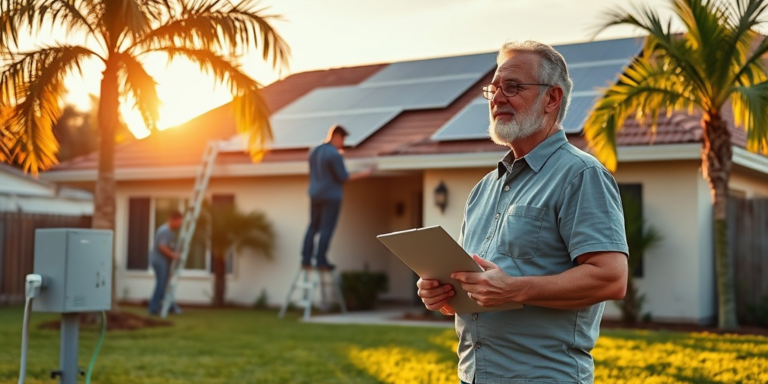
As 2025 approaches, homeowners across Florida are feeling the sting of rising electricity costs. Did you know that in Florida, the average residential electricity price is projected to increase by nearly 3% every year? This means one thing: if you’re still relying on traditional power sources, your monthly energy bills will only get heavier. But there’s a silver lining—solar energy is becoming a more feasible option than ever before. With advancements in technology and new solar incentives, now is the time to make the switch. In this article, we’ll guide you through **10 Critical Steps for Solar Panel Installation Success**, ensuring you maximize your utility bill savings and streamline the entire process.
The urgency of investing in solar energy in 2025 is clear. As many states, including Florida, work to stabilize their electrical grids and implement stringent emissions standards, there has never been a better time to explore renewable sources of energy. Solar not only offers long-term financial benefits but also helps combat climate change. This blog will delve into the essential steps for a seamless solar panel installation. We’ll cover compelling case studies, actionable checklists, local insights, myth-busting facts, and a technical deep dive into the solar installation process. Our goal is to empower you to own your energy journey with clarity and confidence.
Here’s a quick overview of what to expect in the following sections:
- A deep dive into the installation process through a compelling case study.
- Actionable checklists detailing each critical phase of installation.
- Myth-busting common misconceptions about solar energy.
- Insights focused on the Florida market and incentives for homeowners.
- A technical overview that breaks down how solar systems operate.
Understanding Your Solar Journey: A Homeowner’s Tale
Meet Emily, a Florida homeowner who took the leap into solar energy last summer. After watching her electricity bills rise, Emily decided it was time to explore alternative solutions. At her bi-annual home efficiency evaluation, her advisor discussed the benefits of solar power. She learned about net metering, which allows solar system owners to receive credits on their electric bills for the energy their systems generate and send back to the grid. Emily’s electricity bill averaged $160 every month, and she needed a solution to help reduce this burden.
Curious to find out if solar could positively impact her life, she began researching the installation process. Here’s a checklist of the critical steps Emily took to ensure her solar installation was a success:
- Step 1: Analyze Your Energy Consumption. Emily calculated her average monthly energy usage based on her electricity bills. This was crucial in determining the size of the solar system she would need.
- Step 2: Evaluate Your Roof. Next, she inspected her roof’s orientation, age, and condition. A southern exposure and minimal shading made her home ideal for solar panels.
- Step 3: Research Incentives. Emily was pleasantly surprised to learn about Florida’s Solar Energy Systems Incentives Program, which offers rebates and credits, making her investment more financially sound.
- Step 4: Obtain Competitive Quotes. She gathered multiple quotes from licensed solar installers. Emily ensured that each company had a sound reputation through extensive online reviews.
- Step 5: Review Contracts Carefully. Never rush into signing a contract! Emily scrutinized the agreements, asking questions about warranties, installation timelines, and maintenance responsibilities.
As with many homeowners, Emily initially faced skepticism from friends and family who believed that solar energy was just a passing trend. But Emily took the information she gathered and debunked the myth that solar energy isn’t reliable. In fact, Florida ranks 3rd in the nation for solar energy potential, boasting over 92,000 installed photovoltaic systems (National Renewable Energy Laboratory). Emily’s decision was not only fiscally responsible but ecologically sound, as solar systems help cut down greenhouse gas emissions, contributing to a healthier planet.
No doubts remained in Emily’s mind once she confirmed that a solar installation could save Florida homeowners an average of $30,000 over 20 years (Florida Solar Energy Center). Motivated by her research and the knowledge of potential savings, she moved forward. But making the decision was just the first of many steps in her solar journey.
Let’s now break down the remaining steps Emily took toward solar panel installation success and ensure that you have everything you need for your own journey.
Essential Checklist for Solar Panel Installation
Taking the plunge into solar energy doesn’t have to be daunting. With this straightforward checklist, you can ensure nothing is left to chance as you consider your solar panel installation:
- Step 1: Audit Your Electric Bill. Understand your energy consumption patterns and pinpoint how much solar power you will require.
- Step 2: Assess Your Property’s Solar Potential. Using tools like Google’s Project Sunroof, check the orientation of your roof and identify potential shading from trees or buildings.
- Step 3: Investigate Local Incentives. Each Florida city may offer distinct perks for solar installations, such as property tax exemptions or reductions in permitting fees.
- Step 4: Identify Qualified Contractors. Research local solar installers and examine any certifications they possess. Aim for contractors with proven success and customer satisfaction ratings.
- Step 5: Get Multiple Quotes and Compare. Don’t settle for the first installer. By obtaining several estimates, you can make an informed choice that fits your budget and needs.
- Step 6: Understand Financing Options. Explore all available financing methods, from upfront cash purchases to loans and leases. Each choice has its own implications for your savings long-term.
- Step 7: Finalize the Solar Contract. Review terms and conditions carefully to ensure no hidden surprises await you after installation.
- Step 8: Schedule the Installation. Once you’ve signed, coordinate with your contractor for the installation date, preparing your home and making any necessary adjustments.
- Step 9: Understand Post-Installation Procedures. Familiarize yourself with how to monitor your solar energy production and what maintenance may be needed over time.
- Step 10: Enjoy the Benefits! After installation, take pride in your transition to renewable energy. Track your energy savings through monthly utility bills and solar performance monitoring applications.
Following this checklist will help ensure a successful solar installation. With proper planning, you’ll soon find yourself reaping the financial rewards of solar energy savings!
Debunking Myths About Solar Energy
Despite a growing awareness of solar energy benefits, several misconceptions persist. Let’s tackle some common myths that might be holding you back from making the switch:
- Myth #1: Solar Panels Are Too Expensive. While installing solar panels does require an upfront investment, the long-term savings on your electric bills, potential tax incentives, and rebates can make solar power an affordable option.
- Myth #2: Solar Energy Isn’t Reliable. Although many people assume solar power only works on sunny days, modern systems utilize batteries to store energy, ensuring a constant power supply—even during cloudy days.
- Myth #3: Solar Panel Maintenance Is High. In reality, solar panels require minimal maintenance. Regular cleanings and inspections are generally sufficient to keep them operating at peak efficiency.
- Myth #4: A Roof Replacement Is Required. While it’s advisable to have a sturdy roof before installation, you don’t always need to replace it unless it’s old or significantly damaged.
- Myth #5: Solar Energy Won’t Increase My Home Value. On the contrary, homes with solar systems often sell for higher prices and attract buyers more swiftly, reflecting the value of reduced utility costs.
Dissecting these myths brings clarity to the decision-making process for Florida homeowners. Familiarizing yourself with the realities of solar panels can drastically enhance your confidence and help dispel doubts that may linger.
Florida’s Solar Landscape: Local Insights and Information
In Florida, embracing solar energy means not only personal financial benefits but also contributing to a sustainable future for the state. Florida boasts more than 15 million residential rooftops, making it the perfect market for solar energy expansion. To maximize savings and ensure optimal installation, it’s crucial to understand the properties unique to solar energy in this sunny state.
Here are some factors specific to Florida’s solar landscape:
- Net Metering Benefits: Florida’s net metering rules allow homeowners to receive credits for excess electricity produced by their solar system, making solar investments even more attractive.
- Rebates and Incentives: The state offers various financial incentives for solar installations, including the Federal Investment Tax Credit (ITC) and local initiatives that support solar energy adoption (SEIA.org).
- Community Solar Programs: Many Floridians can join community solar efforts, allowing them to invest in solar power without needing to install panels directly on their properties.
- State Renewable Portfolio Standards: Florida is working on measures to increase renewable energy’s contribution to the overall energy mix, reflecting the state’s commitment to clean energy.
- Usage Patterns: Understanding the typical energy consumption trends—especially during peak hours—can provide insights into how solar can effectively mitigate costs for homeowners.
Understanding your local solar landscape can lead to informed decisions that truly benefit both your finances and the environment. After exploring these aspects, you’ll be well-equipped to navigate the solar installation process and take full advantage of Florida’s solar opportunities.
Grasping the Technical Aspects of Your Solar System
Getting familiar with your solar system’s technical components is vital for maximizing the benefits of solar energy. Here’s a breakdown of important elements to consider:
- Solar Panels: The core component of your system. Photovoltaic panels harness sunlight and convert it into usable electricity. When selecting panels, consider whether you want monocrystalline or polycrystalline options based on efficiency and appearance.
- Inverters: Inverters convert the direct current (DC) produced by solar panels into alternating current (AC) used in households. Consider the type of inverter when designing your system for optimal energy conversion.
- Solar Batteries: Batteries store excess energy produced during peak sunlight hours. They can be a valuable addition for standalone systems, providing backup energy in case of outages.
- Monitoring Systems: These track energy production and consumption, allowing homeowners to see how much power their solar panels generate in real-time.
- Grid Connection: Many residential solar installations are connected to the grid, allowing homeowners to sell back excess power produced, effectively reducing energy bills further.
As you explore the intricacies of solar power, remain engaged with your installer for advice tailored to your unique situation. Understanding these components positions you to make informed decisions and optimize your system.
Next Steps for Florida Solar Buyers in 2025
Now that you’ve gained a wealth of information about solar energy and the installation process, it’s time to embark on your solar journey. Here’s a strategic action plan to kick-start your transition:
- Step 1: Audit Your Electric Bill. Identify your typical energy usage and peaks over the year.
- Step 2: Research Solar Providers and Get Estimates. Reach out to multiple contractors, ensuring you have at least three quotes to review your options.
- Step 3: Schedule a Site Evaluation. Have installers come to inspect your roof and precisely assess shading impacts.
- Step 4: Review Financing Options Thoroughly. Explore loans, leases, and payment structures that suit your financial needs while maximizing savings.
- Step 5: Stay Educated Through Resources. Continue to educate yourself about solar energy at nyelectricandsolar.com or through local authorities.
- Step 6: Make the Decision! After careful consideration, select a provider and sign a contract to begin your solar journey.
By following these actionable steps, you will ensure a smooth transitioning process, resulting in reduced bills, a smaller carbon footprint, and peace of mind.
In conclusion, the journey towards solar power in Florida is not just about installing panels; it’s about investing in your future and leveraging the potential of clean, renewable energy. As you consider making the switch, remember the savings, ecological benefits, and enhanced home value that solar energy can provide. Now more than ever, the time to act is now! Seize the opportunity to make the change in 2025.
Ready to start your solar journey in 2025? Connect with a certified expert at nyelectricandsolar.com today.
Related Articles
More insights about Solar Panel

How Many Solar Panels Do You Need in Upstate New York?

Florida Homeowners: Why Solar Panel Maintenance Is Essential

7 Essential Steps for Solar Panel Installation Success
Ready to Go Solar?
Have questions about solar energy? Our experts are here to help you make the switch to clean, renewable energy.