
10 Essential Tips for Solar Panel Maintenance in Florida
Share:
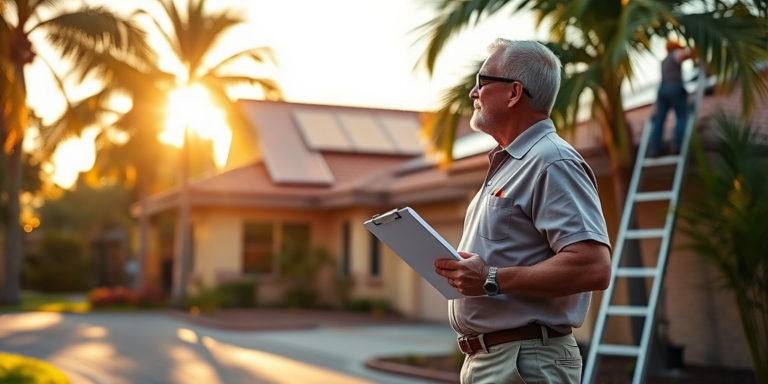
Did you know that Florida ranks as one of the top states in the nation for solar energy potential, boasting an average of 237 sunny days each year? This abundant sunlight means that solar panels are an excellent investment for homeowners and commercial property owners alike, especially as electricity prices continue to rise. In fact, as of 2023, over 160,000 homes in Florida are powered by solar energy systems, contributing to a growing movement towards renewable energy solutions in the sunshine state (SEIA.org). However, just installing solar panels is not enough. It’s crucial to ensure their longevity and efficiency through regular maintenance. This brings us to our topic: **10 Essential Tips for Solar Panel Maintenance in Florida**.
In 2025, solar energy is more than just a trend—it’s a necessity. New financial incentives, coupled with the need for energy independence, mean that understanding how to maintain solar equipment is vital now more than ever. Throughout this article, you will learn not only why proper maintenance is essential but also actionable steps you can take to preserve your investment. We will delve into everything from routine inspections and cleaning techniques to troubleshooting common issues. Our exploration will unfold in five key sections:
1. A deep dive into a case study illustrating the impact of regular maintenance.
2. An actionable checklist of essential maintenance steps to follow throughout the year.
3. Myth-busting common misconceptions surrounding solar panel care.
4. Local insights tailored specifically for Florida property owners.
5. A technical breakdown of solar technology and how maintenance affects performance.
Embrace this opportunity to maximize your solar panel’s lifespan while ensuring your energy independence as we explore these essential maintenance tips. Let’s shine a light on the best practices for caring for your solar investment!
A Case Study: The Importance of Solar Panel Maintenance in Florida
Maria and Tom, a couple living in sunny Sarasota, made the decision to install solar panels on their home two years ago. They were thrilled at the prospect of saving money on electricity while contributing positively to the environment. Initially, their system worked flawlessly, providing almost all the power they needed. Despite this, they soon noticed unexpected fluctuations in their electricity bills. Concerned, Maria contacted their solar installer for insights.
Upon inspection, the technician revealed that their panels were significantly covered in dirt, grime, and organic debris from nearby trees. This contamination was reducing the panels’ efficiency, ultimately costing them money. If they had performed regular maintenance, including cleaning the panels and checking for shadowing effects, they could have increased their energy production and prolonged the lifespan of their investment.
This story is not unique; many Florida homeowners experience similar issues without awareness. According to a report from the Solar Energy Technologies Office, regular maintenance can improve energy production by up to 20% (Energy.gov). Are your solar panels due for a check-up? Here is a checklist of essential maintenance tips!Step 1: Routine Inspections.
- Inspect Your Panels Regularly: It’s essential to perform visual inspections of your solar panels at least twice a year. Look for any signs of wear, cracks, or physical damage, especially after storms or high winds.
- Monitor Your Energy Output: Utilize online monitoring tools provided by your installer or solar panel manufacturer. They can help you differentiate regular energy production patterns from anomalies that may indicate maintenance needs.
- Clean Your Panels: Depending on local weather conditions—such as heavy rains or pollen seasons—solar panels may require cleaning 1-4 times a year. Regular cleaning of dirty panels can restore efficiency levels, translating to increased electricity generation.
Common misconceptions about solar maintenance often lead to neglect. Myth #1: Solar panels are maintenance-free—this is false. While they require minimal effort, neglect can lead to diminished performance. In fact, dirty panels can reduce energy output significantly!
Florida-specific conditions further necessitate maintenance. For instance, extreme humidity levels can promote mold growth on solar panels, particularly in coastal areas. Regular cleaning not only improves panel efficiency but also prevents issues that could arise from mold and debris accumulation. Did you know that 60% of solar system failures in homes are due to insufficient maintenance (SolarReviews.com)? Ensuring comprehensive upkeep makes all the difference.
Florida homeowners should consider their solar system’s surroundings as part of their maintenance strategy; trees can shade panels during crucial sunlight hours, decreasing energy production further. Tariffs benefiting solar installations are smoothening entry points for potential buyers, and it’s vital for new owners to maintain the systems properly to avoid falling short on energy production and savings.
In summary, tackling the maintenance of solar panels may feel daunting, but it ensures efficient energy production. Keep an eye on your system, and remain vigilant about external factors that can impact its performance. Now let’s advance to the next actionable section!
Essential Checklist for Solar Panel Maintenance
Here’s your comprehensive checklist to maximize efficiency and guarantee a healthy solar power installation:
- Step 1: Regular Visual Inspections
- Check for cracks, discoloration, or signs of wear every six months.
- Inspect connections and cables for signs of corrosion or wear.
- Step 2: Conduct Cleaning as Needed
- Gently clean panels with soft cloths or a garden hose; high-pressure washing should be avoided.
- Schedule cleaning after significant rain, pollen seasons, or when panels appear visibly dirty.
- Step 3: Monitor Energy Production
- Use system monitoring tools to track daily energy output.
- If production drops unexpectedly, investigate possible causes.
- Step 4: Examine Your Roof
- Assess your roof condition as a critical structural component for panel support.
- Ensure no leaks or damage that could affect both your roof and solar panels.
- Step 5: Schedule Professional Check-Ups
- Plan for professional inspections once a year to allow for thorough assessments by certified technicians.
- Inquire about warranty options and services to ensure your installation is under good care.
Furthermore, bear in mind that some insurance companies may require maintenance reports, enhancing your coverage and protecting your asset. Partnering with a local expert can simplify your process. Visit nyelectricandsolar.com for additional resources!
Next, let’s bust some common myths surrounding solar panel upkeep, clarifying any misconceptions that could lead to inaction.
Myth-Busting: Solar Panel Maintenance Misconceptions
As solar energy becomes more prevalent, several myths and misconceptions can mislead homeowners, potentially jeopardizing their investments. Let’s explore these common fallacies and the truths behind them!
- Myth #1: Solar Panels Are Completely Maintenance-Free
While it’s true that solar panels require minimal maintenance, they are not maintenance-free. Regular checks and cleaning efforts can dramatically improve performance by ensuring panels receive maximum sunlight exposure.
- Myth #2: Rain Will Clean My Solar Panels
Though rain can help wash off some dust, it may not be sufficient for extensive grime or sticky residues. During specific seasons, a dedicated cleaning might still be necessary to maintain optimal efficiency.
- Myth #3: All Solar Panels Are the Same
The reality is that solar panels differ significantly between brands and models. Understanding the requirements of your specific system can help tailor a proper maintenance approach.
- Myth #4: Maintaining My Panels Will Void Their Warranty
Most manufacturers encourage routine maintenance to preserve efficiency. Typically, failure to maintain equipment won’t void the warranty but rather ensure claim eligibility.
- Myth #5: Solar Systems Automatically Communicate Problems
While modern systems offer monitoring, owners shouldn’t rely solely on these tools. Regular inspections and understanding potential issues can make a considerable difference in system longevity and performance.
Equipping yourself with the right knowledge allows you to make informed choices that extend the life of your solar panels and upwardly impact your return on investment. With such valuable insights into maintenance myths dispelled, let’s take a local focus on how Florida’s policies come into play!
Local Insights: Florida-Specific Maintenance Considerations
Understanding Florida’s unique geographic and climatic factors is crucial for effective solar panel maintenance. Here are the areas that every Florida homeowner should keep in mind:
- Humidity and Mold
Florida’s humid climate promotes mold growth around coastal areas, particularly suited for organic debris accumulation on solar panels. Routine cleaning is essential to mitigate this threat and maintain energy generation efficiency.
- Hurricane Preparedness
During hurricane season, assess your system’s integrity before and after storms. Strengthening existing installations and ensuring your panels are secured is critical; once the storm has passed, inspect for potential damage immediately.
- Sunlight Exposure Variability
The angle and direction of solar panels significantly affect their performance. In Florida, panels facing south benefit from optimal energy production. Always consider any seasonal shading that may occur due to tree growth or construction.
- Local Zoning Laws and Guidelines
Engage with local authorities to ensure compliance with installation standards specific to Florida. Regulations are often in place regarding solar systems, making awareness of these policies important in maintaining your investment.
- Potential Local Incentives
Florida frequently updates incentives for solar installations. Engaging with local programs can maximize your overall savings, making maintenance an easy priority as you gain both energy independence and financial benefits.
For proprietary incentives and low-interest loans available for solar installations in Florida, consult resources on programs specific to Florida homeowners who wish to go solar in 2025. For more information, visit nyelectricandsolar.com.
Now let’s take a technical deep dive into the specific systems used in solar energy production and how maintenance ties into overall system performance to ensure that your investment continues to yield returns!
Technical Deep-Dive: Understanding Your Solar System
The efficiency of your solar panels depends on various interconnected components functioning seamlessly. Here’s a breakdown of critical components and how their maintenance can impact overall performance:
- Solar Panels
These are the heart of your solar system. Ensure they are free from debris and shaded areas that can impede sunlight access. Regular cleaning is essential, as previously mentioned; neglecting their upkeep can lead to sharp drops in energy generation.
- Inverters
Acting as the communication hub, inverters convert the DC electricity generated to usable AC electricity. Periodic checks for malfunction indicators and ensuring the software is updated will keep your inverter running smoothly.
- Batteries
For systems equipped with battery storage, maintenance includes monitoring charge levels and ensuring battery connections remain corrosion-free. These units often include specific lifespan requirements; monitoring health can maximize usable energy and reduce the total cost of ownership.
- Electrical Connections
Inspect connections for signs of wear and tear or corrosion. This should be part of routine maintenance, as loose connections can lead to inefficiencies and costly damages down the road.
- Billing and Net Metering
Familiarize yourself with billing cycles and net metering systems that credit excess energy generated back to the grid—monitoring these closely ensures you’re taking full advantage of your system’s potential.
Understanding these systems allows you to recognize how maintenance plays a pivotal role in the overall health of your ecosystem. As a homeowner, a little attention to these areas can yield high returns! Now that we’ve explored some technical details, let’s discuss actionable next steps to help you move forward on your solar journey.
Next Steps for Florida Solar Buyers in 2025
Ready to optimize your solar experience? Here’s a handy Next Steps checklist to help steer you towards maintenance success!
- Step 1: Audit Your Electric Bill
Review your last few electric bills to find trends in consumption. Knowing your baseline power usage will help inform any adjustments needed for overall efficiency.
- Step 2: Schedule a Professional Inspection
Establish a relationship with a local solar installer who can provide periodic check-ups and deep inspections of your panels to address any potential issues and ensure your system is operating optimally.
- Step 3: Join Local Community Groups
Get involved in local solar communities or forums. Engaging with like-minded property owners will provide valuable insights and encourage best practices that can benefit everyone.
- Step 4: Stay Informed on Incentives
Regularly check local resources for updates regarding federal, state, and local incentives for solar installations to maximize your savings.
- Step 5: Invest in Monitoring Systems
Set up online monitoring resources or phone apps that help you track energy consumption and generation so you can quickly identify performance dips that require attention.
Integrating effective maintenance practices leads to enduring efficiency and longevity for your solar panels while maximizing the return on your investment. A solid understanding of these principles will empower you to make informed decisions, reinforcing your commitment to clean, renewable energy.
As we wrap up this extensive discussion, remember that investing in solar energy is an investment in your future. The importance of consistent maintenance cannot be overstated, especially as we venture into 2025, where solar power is not only a smart choice but an essential one.
Conclusion
Throughout this comprehensive guide, we’ve uncovered the vital role maintenance plays in ensuring the efficient performance of solar panels. As we witness a sustained increase in energy prices and growing solar adoption, 2025 emerges as a pivotal year for Florida homeowners and commercial property owners aiming to harness solar energy fully. Ensuring you include regular inspections, cleaning schedules, and staying updated with local laws and incentives will enhance the value of your solar investment significantly.
Your journey toward energy independence begins with embracing the necessary practices to ensure impeccable performance and the longevity of your solar system. Whether you are just starting or have had your system for years, never underestimate the potential rewards gained from proper maintenance. Remember, the sunlight shining on your panels today will power your home tomorrow—keep it bright!
Ready to start your solar journey in 2025? Connect with a certified expert at nyelectricandsolar.com today.
Related Articles
More insights about Solar Panel

How Many Solar Panels Do You Need in Upstate New York?

Florida Homeowners: Why Solar Panel Maintenance Is Essential

7 Essential Steps for Solar Panel Installation Success
Ready to Go Solar?
Have questions about solar energy? Our experts are here to help you make the switch to clean, renewable energy.