
5 Essential Steps for Installing EV Chargers in Florida Homes
Share:
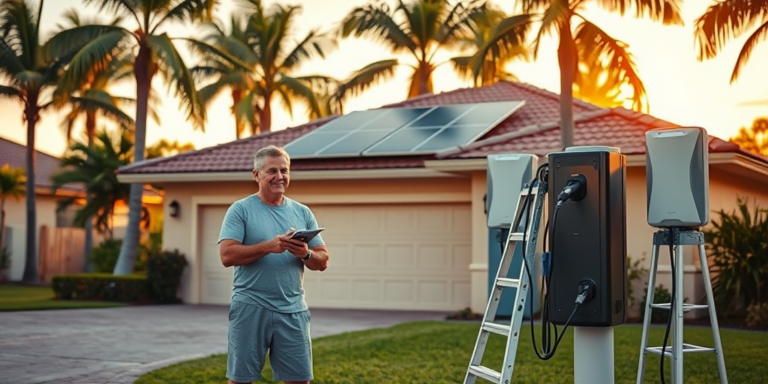
In 2025, owning an electric vehicle (EV) is not just a trend; it’s rapidly becoming a necessity, especially for Florida homeowners looking to embrace energy efficiency and sustainability. According to a recent report, Florida currently ranks as one of the top states in the nation for EV ownership, with a growth rate expected to skyrocket as charging infrastructure expands (Florida Department of Transportation). As electric vehicles become more common on our roads, equipping your home with an EV charger may soon transition from a luxury to a necessity. If you’re among the forward-thinking homeowners considering this integration, you’ll want to know the logistical steps and practical implications involved in this decision. This article titled 5 Essential Steps for Installing EV Chargers in Florida Homes outlines crucial steps you can take for a seamless installation process and showcases how you can maximize your investment while enjoying the myriad benefits of EV charger installation today. With expected incentives and rebates for solar energy and EV charging systems in 2025, the time to act is now.
By following this guide, you will know exactly what to do when preparing for and carrying out the installation of your EV charger, ensuring it meets both local regulations and personal needs. From a careful evaluation of your home’s electrical system to selecting the right equipment, we will cover it all. The five sections ahead will include: a deep dive into a Florida homeowner’s journey with EV chargers, a practical checklist to simplify installation, addressing common myths surrounding EV chargers, a local focus on the unique Florida context, and an in-depth look at the technology you will be engaging with. All of this serves as a solid foundation as you embark on your EV charger journey.
Understanding Your Unique Needs: A Case Study
Let’s take a moment to explore the journey of Maria, a fictional Florida homeowner who exemplifies the experience of many residents contemplating the installation of an EV charger. Maria lives in a suburban neighborhood in Orlando, known for its sunny skies and growing interest in solar energy. As her family made the transition to owning an electric vehicle, she quickly realized that having a dedicated charging station at home would greatly enhance her family’s convenience and reduce their dependency on public charging stations. However, Maria faced uncertainty: How could she navigate the installation of the charging unit while ensuring her investment paid off?
After conducting her research, Maria discovered that her home’s electrical system was ready for an upgrade. This is a crucial realization for many homeowners—before installing an EV charger, understanding your electrical capacity is vital. According to the Florida Electric Power Company, more than 80% of home charging installations require a small electrical panel upgrade to handle the additional load (FPL.com). This was Maria’s first checklist item completed: evaluating her current infrastructure and working with a qualified electrician to ensure everything was up to code.
- Evaluate Electrical Capacity: Maria consulted an electrician, who confirmed her breaker panel could accommodate a Level 2 charger. This step is essential as it ensures that your home’s electrical system can handle the demands of the EV charger.
- Choose the Right Charger: After further research, she opted for a 240-volt Level 2 charger, which charges her vehicle significantly faster than a standard outlet—typically in 4 to 6 hours.
- Permits and Regulations: Maria learned about local ordinances requiring permits for installation, further solidifying her willingness to engage a professional installer familiar with Florida laws.
- Evaluate Incentives: Maria discovered tax credits and potential rebates through the state’s Green Energy Technology program, which ultimately offered her financial relief she hadn’t anticipated.
- Maintenance Strategies: Finally, she asked her installer about maintenance options, ensuring the charger remained functional and efficient, thus prolonging its lifespan.
Despite initial doubts about the complexity of the process, Maria’s diligent research and proactive approach made her journey rewarding. This case study highlights a common paver point for many Florida homeowners interested in EV chargers: An upfront investment in installation often leads to long-term savings, making the shift to electric not only viable but lucrative in the long run.
A Helpful Installation Checklist: 5 Steps to Follow
Transitioning to an electric vehicle era can be exciting but daunting, especially when it comes to installing an EV charger at home. To simplify the experience, we’ve outlined a handy checklist that will help you through the essential steps:
- Step 1: Assess Your Home’s Electrical System
- Before anything else, evaluate your electrical panel to ensure it can support the load of an EV charger, typically up to 40 amps.
- Step 2: Choose the Right Charging Equipment
- Consider a Level 2 charger for faster charging times, and choose a reputable brand that offers warranties and customer support.
- Step 3: Verify Local Regulations
- Contact your local utility company and check with the city’s building department to gather information on installation permits and regulations.
- Step 4: Explore Incentives and Rebates
- Research federal and state incentives for EV charging equipment, which may provide significant cost savings. A thorough search may point you to the charging incentives offered under the Inflation Reduction Act (FPL.com).
- Step 5: Hire a Qualified Installer
- Look for certified electricians with experience in EV charger installations who can navigate both the technical and regulatory requirements efficiently.
Having a solid plan in place is crucial to ensuring a smooth installation process. Each step carefully moves you forward, setting the foundation for a successful transition to electric vehicle ownership and maximized savings over time.
Myth-Busting Common Misconceptions about EV Chargers
As with any emerging technology, misconceptions abound regarding EV chargers. It’s crucial to dispel these myths to make informed decisions. Here are some of the most common myths you might encounter:
- Myth #1: It’s too expensive to install an EV charger.
While upfront costs may seem high, many states, including Florida, offer incentives that can tremendously offset your expenses. Additionally, the long-term savings on gasoline and maintenance often outweigh initial investments.
- Myth #2: Home charging is slow and inefficient.
With a Level 2 charger, you can fully charge your vehicle overnight, making it much less of an inconvenience than many people assume.
- Myth #3: EV chargers are universally compatible.
EV chargers can vary by model and make. It’s essential to choose a charger that’s compatible with your vehicle to avoid unnecessary complications. That means doing your homework and checking specifications before purchasing.
- Myth #4: I can install it myself without professional help.
While DIY spirit is great, electrical work requires precision and adherence to local codes. Hiring a qualified installer ensures the installation is safe, efficient, and compliant with legal requirements.
- Myth #5: Using an EV charger can damage my vehicle’s battery.
Charging your electric vehicle at home using a dedicated charger is one of the safest ways to power your battery. Properly installed and maintained chargers conform to safety regulations to prevent overcharging and battery stress.
Debunking these common misconceptions not only emphasizes the importance of reliable information but also encourages the integration of EV chargers into your home design, ultimately benefiting both your wallet and the environment.
Focusing on Florida: Understanding Local Regulations and Adaptations
Florida has unique charging infrastructure needs, making it vital to understand local nuances surrounding EV charger installation. The state is ramping up efforts to innovate its EV landscape, with the Florida Department of Transportation projecting a robust expansion of charging stations across the state (FDOT.gov). This includes both urban and rural environments, ensuring accessibility for all Floridians, regardless of location.
Here are some important considerations for Florida homeowners:
- Local Incentives: Florida offers various tax credits and rebates for EV charger installations. Understanding what’s available can significantly reduce your overall costs, making it easier to go green.
- Building Codes: Before installing an EV charger, familiarize yourself with the local building codes and regulations. There may be specific requirements for permits, electrical system upgrades, and installation practices unique to Florida.
- Public Charging Stations: Being aware of existing public charging options can help you assess your home needs versus external solutions. Many municipalities are collaborating with businesses to expand charging networks, enhancing overall convenience for EV owners.
- Hurricane Preparedness: Given Florida’s propensity for hurricanes, consider the necessity of installing chargers that can withstand severe weather and power outages. Options like Tesla’s Powerwall can be beneficial for homes, providing backup during emergencies.
- Proximity to Solar Energy Resources: With abundant sunlight available in Florida, integrating solar panels with your EV charging station can bring down your electricity costs dramatically. Turn to esteemed providers like nyelectricandsolar.com for guidance.
Understanding and integrating with local policies not only aids in smoother installation but also promotes greater investment in sustainable systems that enhance the state’s infrastructure and your home’s efficiency.
Technical Deep Dive: EV Charger and Power Management Systems
Delving deeper into the technical aspects of charging systems can provide invaluable insight into how these components function and integrate with your home electrical system. Electric vehicle chargers operate by transferring electricity from your home to your vehicle, converting AC power into usable DC power for the battery while managing load balance.
- The Charger Types: Generally, there are three levels of EV chargers: Level 1 (standard wall outlet), Level 2 (240-volt outlet, faster), and DC Fast Chargers. Understanding the distinctions will help you in choosing a charger that aligns with your lifestyle.
- Load Management Systems: Systems that monitor energy usage and balance load are crucial in managing multiple chargers or appliances. These systems help mitigate potential overload, particularly useful in households with several electric vehicles.
- Demand Response: Programs offered by electrical utilities can optimize your demand for power, offering lower rates during off-peak hours. This kind of energy management is often tied to EV chargers and can save homeowners considerable amounts.
- Battery Storage Integration: Pairing your EV charger with battery storage systems, such as solar batteries, can provide energy independence. When combined with solar panels, you can charge your vehicle with energy generated from the sun, reducing reliance on the grid.
Technical insight into these systems empowers homeowners to make informed decisions, facilitating greater energy independence and financial benefits while contributing positively to the environment.
Next Steps for Florida Solar Buyers in 2025
After learning the essential steps for installing EV chargers in Florida homes, it’s crucial to create an actionable plan that will guide you throughout the process. Here’s how to proceed smoothly:
- Step 1: Audit Your Electrical Bill
- Understand your current electrical usage to forecast how much additional load an EV charger will introduce. This audit helps in assessing the viability of installation without exceeding capacity.
- Step 2: Explore Your Charging Options
- Research various EV chargers, comparing features, reviews, and compatibility with your electric vehicle.
- Step 3: Research Local Incentives
- Investigate current programs and rebates offering financial aid to assist with installation costs. Sites like the Florida Electric Power Company provide up-to-date information on incentives.
- Step 4: Choose a Qualified Installer
- Identify and contact local electricians with expertise in EV installations to get quotes and timelines on your project.
- Step 5: Prepare for Installation
- Ensure your home and family are ready for the installation day by keeping communication open with your installer and understanding the processes involved.
By embracing these steps, you’ll ensure that your transition to an electric vehicle is smooth and efficient, paving the way for a sustainable and cost-saving lifestyle.
Investing in EV chargers at home not only benefits the environment but stands as a testament to your commitment to a sustainable future. The path toward cleaner automotive energy is filled with potential, and seizing this opportunity today is crucial. Don’t let this chance slip away—embrace the future of energy. As you prepare to embark on your journey, remember to connect with a certified expert at nyelectricandsolar.com today.
Related Articles
More insights about EV Charger

What Florida Homeowners Ask About Solar EV Charger Installation

Florida Homeowners Exploring EV Charger Installation Benefits

Beginner’s Guide to Understanding EV Charger Installation for Homeowners
Ready to Go Solar?
Have questions about solar energy? Our experts are here to help you make the switch to clean, renewable energy.