
5 Steps to Understand Solar Panel Lifespan and Efficiency
Share:
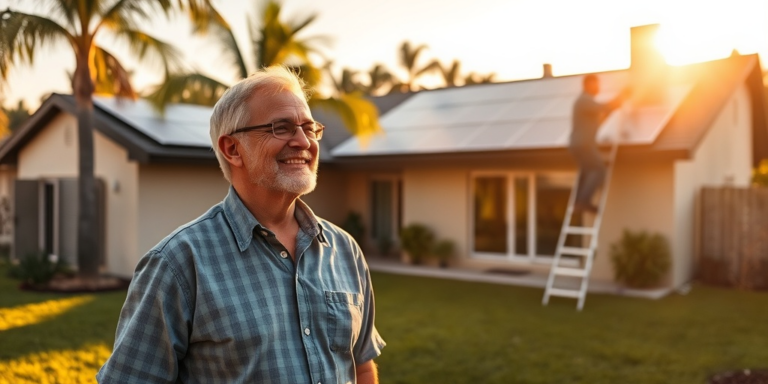
As the sun rises over the Florida horizon, it beams down more than just light; it offers a golden opportunity for homeowners and business owners alike to invest in solar energy. Did you know that the typical solar panel can last anywhere from 25 to 30 years? However, understanding their lifespan and efficiency is critical for maximizing your investment. This is where our article, 5 Steps to Understand Solar Panel Lifespan and Efficiency, comes in, providing you not only the insights you need but also sparking the motivation to take action. In 2022 alone, Florida added over 1,100 MW of new solar capacity, representing a significant push toward sustainable energy (SEIA.org). As we delve into 2025, the urgency around solar energy becomes even more pronounced. Rising energy costs, coupled with new incentives for solar adoption, make now the ideal time to consider how solar can benefit you. In this article, we will walk you through five essential steps to assess your solar system’s durability and optimize energy performance, putting you on the right track to harness the power of the sun.
First, let’s dive into understanding your solar panel’s lifespan—the foundational step in making informed decisions regarding your energy future. It’s crucial to consider factors like installation quality, environmental influences, and panel types, which directly impact how long your investment will serve you. Next, we’ll move to assessing your solar panel’s efficiency. Knowing how to measure productivity can mean the difference between a system that meets your energy needs and one that leaves you wanting more. Following that, we’ll directly confront common myths surrounding solar energy—after all, misinformation can deter even the most interested homeowners. We’ll also shine a spotlight on Florida-specific data, making this journey local and relatable. Finally, we’ll engage in a technical deep-dive, breaking down the components of your solar system to increase your overall understanding. Let’s get started!
Understanding Solar Panel Lifespan: A Comprehensive Dive
Every homeowner dreaming of a solar future should begin with a foundational understanding of how long their solar panels will last and what affects this lifespan. For instance, consider Maria, a homeowner from Miami who decided to convert her property to solar energy. Maria invested in top-of-the-line photovoltaic panels, believing they would provide her with years of reliable energy. However, after two years, she noticed a significant drop in performance, leading to frustration and confusion. Maria’s story is common, underscoring why comprehension of solar panel lifespan is crucial.
- Step 1: Choose Quality Panels
- Step 2: Understand Environmental Impacts
- Step 3: Installation Matters
- Step 4: Monitoring Performance
- Step 5: Warranty Verification
Investing in high-efficiency panels can back your solar journey. Tier 1 panels often last longer and function better. The efficiency rating of panels can influence how much energy you can generate and, consequently, your return on investment.
Your solar panels will face various environmental factors, from salt air in coastal areas to heavy wind and rain. These elements can affect their longevity. For instance, panels in areas with high salt deposits need to be rated accordingly, leading to different choices based on regional needs.
The quality of installation is often just as critical as the panels themselves. A poorly installed solar system can fail long before its time; hence, partnering with a reputable installer who uses certified technicians is vital.
Invest in solar monitoring technology to track how well your panels perform over time. Systems like Enphase or SolarEdge allow you to evaluate energy production and pinpoint drops in efficiency—enabling you to take action when necessary.
Different brands offer different warranties. Extended warranties can provide peace of mind. Investigate the warranty that comes with your panel purchase and ensure it aligns with your long-term goals.
Moreover, according to data from the National Renewable Energy Laboratory, a well-maintained solar system can produce upwards of 80% of its original capacity after 25 years (NREL.gov). Prioritizing quality, installation, and monitoring integrates these five steps into a safeguard against inefficiencies that could plague lower-cost installations.
Maximizing Solar Panel Efficiency: A Practical Checklist
Once you comprehend your system’s lifespan, the next step is ensuring your solar panels maintain optimal efficiency levels. Here’s a practical checklist designed to guide you in maximizing your output:
- Regular Cleaning and Maintenance
- Optimal Installation Angle
- Monitor Energy Trends
- Invest in Energy Storage Systems
- Utilize Smart Technology
Regular cleaning of your solar panels can prevent dirt and debris accumulation, which can lower efficieny by blocking sunlight. Consider scheduling biannual cleanings if you live in a dusty environment.
Evaluate the orientation of your solar panels. Panels should ideally face south in Florida for maximum sunlight exposure. A professional solar installer can help determine the best angle based on your location.
Tracking your energy consumption versus your production can help you catch inefficiencies early. Knowing when your energy needs peak will aid in optimizing production.
Consider pairing your solar setup with a battery storage solution. This can ensure that you have access to energy produced during sun hours during non-sun hours, maximizing your savings.
Smart solar technology can communicate data that impacts efficiency, helping you to make informed adjustments. Connecting your system to IoT devices can create efficiencies.
It’s worth noting that according to industry reports, solar panel efficiency can drop significantly if not maintained; research indicates a reduction of up to 20% in output within the first five years if proper care isn’t given (SolarReviews.com). By applying this checklist, every Florida homeowner can ensure their system is performing at its best.
Debunking Solar Myths to Enhance Understanding
As a homeowner delving into the solar world, it’s crucial to sift through misinformation that may deter you from taking the plunge. Here, we’ll debunk some prevalent myths that could cloud your decision-making.
- Myth #1: Solar Panels Don’t Work in Cloudy Weather
- Myth #2: Solar Energy Is Too Expensive
- Myth #3: Solar Panels Require Constant Maintenance
- Myth #4: Solar Energy Will Ruin My Roof
- Myth #5: Solar Energy Is Only for Environments with High Sun Exposure
Many people mistakenly believe that solar panels are ineffective unless it’s bright and sunny. In reality, solar panels can still produce energy on cloudy days—albeit at reduced efficiency. Even during overcast conditions, they harness diffuse sunlight.
While the upfront costs of solar can be daunting, the long-term savings on electric bills are significant. Additionally, incentives have dramatically reduced out-of-pocket expenses, making solar energy more accessible than ever.
Many homeowners fear that solar panels will require constant care. In reality, they require minimal maintenance—usually just a cleaning to remove dust or debris and the occasional check-up by a professional.
Properly installed solar panels will not damage your roof; in fact, they can protect it from weather damage. Certified installers are trained to ensure that the process does not compromise the roofing system.
While sunny states like Florida are prime for solar installation, even regions with lower sun exposure can benefit from solar power. In fact, solar installations have been growing in popularity in various types of climates across the country.
Each of these myths can cloud the perceptions of potential solar users, but through education and awareness, they can be dispelled. As more Florida homeowners recognize the truth about solar systems, the transition to solar energy can accelerate, ultimately benefiting the state’s overall energy landscape.
Taking a Comprehensive Look: The Technical Deep-Dive
Understanding the technical components of your solar energy system is paramount for maximizing your investment. Let’s break down the key elements that affect both efficiency and longevity, guiding you to make informed decisions about your purchase.
- Solar Panels: The quality of the panels is crucial. Specialty brands often outshine their competitors on efficiency and durability. Look for products with certifications and proven performance ratings.
- Inverters: These devices convert the direct current (DC) generated by your panels into alternating current (AC) for your home. Micro-inverters and string inverters each have advantages; assess your home’s setup to find a perfect match.
- Batteries: If you’re using energy storage systems, how well they integrate with your solar panels can impact overall efficiency. Lithium-ion batteries are currently the industry benchmark for residential systems.
- Energy Management Systems: Many solar setups include devices that help manage your overall energy consumption. These systems help inform homeowners how they can optimize energy usage and savings.
- Grid Connections: Understanding how your system ties into the grid is essential. Net metering programs in Florida enable homeowners to earn credits for excess energy produced, ultimately lowering bills even more.
According to the Solar Energy Industries Association, advancements in technology have driven costs down by nearly 90% over the last decade, making high-efficiency panels more accessible (SEIA.org). By familiarizing yourself with these components, you lay the groundwork for a resilient future fueled by solar energy.
Next Steps for Florida Solar Buyers in 2025
Once you’ve navigated the essentials of solar panel lifespan and efficiency, it’s time to translate that knowledge into action. Here’s a focused checklist to guide your next steps:
- Step 1: Audit Your Electric Bill
- Step 2: Research Your Financing Options
- Step 3: Consult a Professional Installer
- Step 4: Review Incentives and Rebates
- Step 5: Take Action!
Understanding your current consumption will allow you to make informed decisions on the size and type of solar system you need. Look at your electricity usage and peak demand times.
Many financing options exist for purchasing solar systems, including leasing, power purchase agreements, and loans. Investigate these to find the most suitable option for you.
Work with certified solar installers who have a strong reputation and local knowledge—especially about the unique Floridian conditions and regulations.
Research available tax credits, rebates, and state incentives that can minimize your initial costs. The federal solar tax credit is a great place to start.
Once you’re informed, don’t hesitate to jump into the process. The right time to invest in solar is when you feel prepared—allowing you to own your power and reduce electric bills significantly.
The time to act is more pressing than ever as the energy landscape evolves. By taking these steps, you can ensure your investment is sound, resilient, and effective in delivering savings.
With an ever-growing emphasis on solar energy, Florida homeowners and property owners have the unique chance to influence their energy future positively. Understanding the intricacies of solar panel lifespan and performance can empower your choices. This approach is not only about cost savings but also about embracing a sustainable lifestyle that benefits generations to come. In a world increasingly impacted by climate change, every step towards clean energy matters.
Ready to start your solar journey in 2025? Connect with a certified expert at nyelectricandsolar.com today.
Related Articles
More insights about Solar Panel

How Many Solar Panels Do You Need in Upstate New York?

Florida Homeowners: Why Solar Panel Maintenance Is Essential

7 Essential Steps for Solar Panel Installation Success
Ready to Go Solar?
Have questions about solar energy? Our experts are here to help you make the switch to clean, renewable energy.