
7 Essential Steps for Solar Panel Installation Success in Florida
Share:
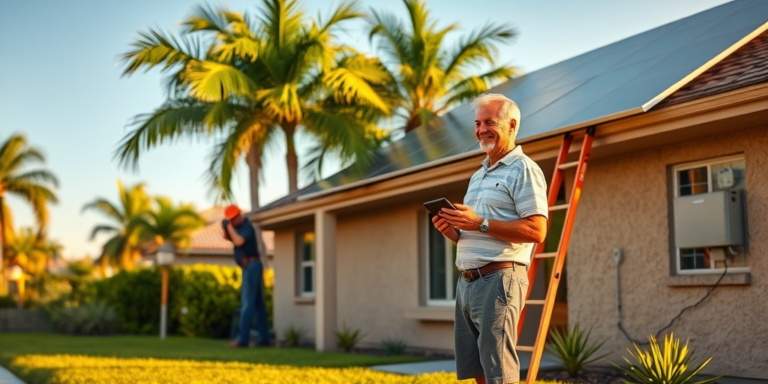
As 2025 approaches, a monumental shift in the way Florida homeowners and commercial property owners think about energy is underway. Did you know that residential solar power installations in Florida surged by over 30% in just one year, making it one of the fastest-growing solar states in the U.S.? This remarkable growth is a response to rising energy costs and an increasing awareness of the environmental benefits of going solar. With solar power incentives set to expand, homeowners can now maximize their energy savings and transform their properties into self-sustaining energy sources. In this guide titled 7 Essential Steps for Solar Panel Installation Success in Florida, we will walk you through critical steps to ensure a smooth and successful solar power installation. From understanding your energy needs to selecting the right equipment, we’ll cover every detail you need to unlock solar potential effectively. As homeowners face today’s volatile energy markets and [Florida Power & Light’s (FPL) rates increasing by over 10%](https://www.fpl.com) (FloridaElectricandSolar.com), the urgency to transition to renewable energy has never been greater. This comprehensive guide will navigate you through five distinct sections: a case study on solar adoption, a practical checklist for installation, common solar myths debunked, local considerations for Florida residents, and a technical deep dive into solar technology. Let’s embark on this journey towards energy independence together.
Understanding Solar Power Installation Success in Florida
Meet Clara, a typical Florida homeowner who was tired of escalating electric bills and the constant fluctuations in utility rates. With two children and an eye on the future, she sought a commitment to a greener energy choice. Clara turned to residential solar power, believing it would not only lower her bills but also contribute positively to the environment. She quickly found that installing solar panels was more than just an energy decision; it was a family security measure. Today, her bills are a fraction of what they were, and she takes pride in teaching her children about sustainability.
What steps did Clara take on her solar journey? Here’s a checklist of essential steps that will guide you toward solar panel installation success:
- Evaluate Your Energy Usage
- Research and Choose a Qualified Installer
- Understand Financing Options
- Select the Right Equipment
- Complete an Installation Plan
These seven steps are designed to illuminate the path toward an efficient solar installation tailored to the unique conditions in Florida. Across the state, homeowners have realized that solar energy not only mitigates rising costs but also enhances property values, showcasing the growing demand for renewable energy sources in Florida’s sunny environment (SEIA.org). As you join the ranks of solar-savvy residents, let’s dive deeper into each step.
Through thoughtful planning and informed choices, you can enjoy the benefits that come with solar energy while contributing to a sustainable future. Next, let’s look at the intricate details that will help you successfully navigate the solar installation process.
Case Study: Clara’s Solar Journey
In recent years, Florida has emerged as a solar powerhouse, with over 9,000 megawatts of solar energy capacity installed state-wide (SEIA.org). Clara’s story is just one of many, reflecting the transformational power of solar energy in Florida. Initially apprehensive about the investment, she conducted thorough research about solar energy, including installation timelines and customer experiences.
After evaluating her energy usage, Clara discovered her average monthly bill was around $250. She realized that with solar panels installed on her roof, she could generate energy equal to or even greater than her monthly consumption, dramatically lowering her electric bills. The bright Florida sun provides more than enough energy to power her family home, and the equipment would be operational for 25 years with proper maintenance.
Here is a checklist of steps Clara took:
- Energy Usage Analysis: Clara studied her bills over time, recognizing peak usage months and understanding her household’s energy footprint.
- Installer Evaluation: She sought testimonials and online reviews for local solar companies, eventually choosing a reputable installer from nyelectricandsolar.com.
- Financing Investigation: Clara opted for a combination of a solar loan and state rebates to lower her upfront costs significantly.
Florida lawmakers have supported solar energy through various incentives, including net metering (Energy.gov), which allows homeowners like Clara to sell back excess energy generated during the day. This program has proven beneficial, particularly in the sunny Florida climate where homes can produce surplus energy. With a unique mix of financial aids available in 2025, homeowners can similarly capitalize on these benefits while making the environment a focus.
Let’s move forward to explore the daunting myths often associated with solar energy, demystifying common misconceptions and equipping you with the knowledge needed for your solar journey.
Debunking Myths: Solar Energy in Florida
As you embark on your solar journey, you may encounter several myths about solar energy. Let’s clear the air concerning these common misconceptions to help you make an informed decision.
- Myth #1: Solar Panels Only Work in Sunny Weather. Many believe that solar panels need direct sunlight to function efficiently, but modern solar technology can convert light energy, even in cloudy or rainy conditions, meaning they work year-round, no matter the weather.
- Myth #2: Solar Panels Are Too Expensive. While initial costs can be high, government incentives and financing options have significantly lowered the financial barrier for homeowners. In fact, financing solar energy systems has never been more accessible—with many Floridians paying their systems off within five to seven years.
- Myth #3: Solar Energy Doesn’t Save You Money. The statistics tell a different story: homes with solar panels in Florida save an average of $20,000 during their solar panel lifespan (SolarReviews.com). Efficient installations quickly lead to a substantial decrease in monthly energy costs.
- Myth #4: You Can’t Sell a Home with Solar Panels. The truth is that a solar installation can actually increase your property’s value. Homebuyers are often willing to pay a premium for homes that offer reduced energy bills.
- Myth #5: All Solar Panels Are the Same. Not all solar panels and systems are created equal. Quality matters—investing in high-efficiency panels with reliable warranties can yield significant savings and performance over time.
By debunking these myths, Florida homeowners can make better-informed decisions about transitioning to solar energy. Understanding the reality of solar technology can eradicate the fear of the unknown, paving the way for a smoother installation process. Now that we’ve cleared up common misconceptions, let’s turn our attention to the local factors that influence solar energy in Florida.
Local Focus: The Florida Solar Landscape
Florida is often dubbed the Sunshine State, and for a good reason: it enjoys more sunshine than nearly any other state in the nation! This factor makes Florida uniquely positioned for the growth and adoption of solar energy. In fact, the National Renewable Energy Laboratory (NREL) has cited Florida as having one of the best solar resources and incentives for homeowners. Indeed, over 60% of Florida homeowners surveyed express interest in solar energy for their homes (Energy.gov).
Here are some local factors to consider:
- State Incentives: Florida offers numerous financial incentives such as the Property Tax Exemption for solar energy systems, which significantly enhances the affordability of solar power.
- Net Metering Policies: Florida’s net metering law allows homeowners to earn credits for excess energy produced and sent back to the grid, further reducing the economic pressures associated with traditional energy costs.
- Utility Providers: Understanding the utility rates and policies of providers like FPL can critically impact the overall savings realized from solar installations. Homeowners who take the time to understand these can strategically adjust their solar choices for maximum efficiency.
Moreover, Floridians should be aware of the energy consumption spikes during the summer months. Planning your solar system design accordingly can ensure you harness the maximum electric generation potential during peak usage times. This proactive approach to energy generation showcases Florida Electric & Solar’s commitment to helping homeowners make the best for their solar investments.
With a vast amount of sunshine and state programs supporting solar initiative, the importance of understanding how local policies affect solar energy can’t be overstated. Now that we’ve established the local landscape, let’s dive into the technical side of solar energy systems to further empower you on this journey.
Technical Deep Dive: Solar Energy Fundamentals
Understanding the technical aspects of solar systems is crucial for any homeowner considering making the switch to solar. Let’s take a closer look at how solar energy systems work and the key components that contribute to successful installations.
1. Solar Panels: These are the heart of any solar energy system. Modern photovoltaic (PV) solar panels convert sunlight directly into electricity. When selecting panels, homeowners should consider efficiency, durability, and warranty conditions.
2. Inverters: Solar panels produce direct current (DC), but your home appliances use alternating current (AC). Inverters convert DC to AC and optimize the energy produced, enhancing overall performance. Look for inverters with strong warranties and a reliable track record.
3. Batteries: Energy storage systems provide backup power during outages and allow homeowners to store excess energy generated during the day for nighttime use. Investing in high-quality batteries ensures independence from the grid and reduces reliance on utility companies.
4. Monitoring Systems: Effective monitoring solutions provide real-time data on energy production and help identify potential issues. Most companies today offer app-based monitoring that keeps homeowners updated on their energy performance.
5. Maintenance: Regular maintenance is essential to prolong the lifespan of your solar energy system. Simple tasks like cleaning the panels can enhance efficiency and performance. Always opt for qualified specialists for servicing any equipment.
The demand for solar energy is steadily rising, with a reported 14.2% of Florida homes actively housing solar systems as of 2023 (NREL.gov). This percentage will most likely rise as awareness the benefits of solar energy intensify, resulting in more educated homeowners making the transition.
As technology advances, so do the possibilities for solar energy applications. Homeowners stepping into this transition in 2025 stand to gain significantly from innovations in battery technology and energy management solutions. Now that we have a thorough understanding of the technical components, let’s move toward our actionable steps for Florida solar buyers.
Next Steps for Florida Solar Buyers in 2025
As we summarize our discussion, it’s essential to outline actionable steps that will empower you in this solar journey. The following checklist should serve as a practical guide to ensure a successful transition to solar energy:
- Step 1: Audit Your Electric Bill. Understanding your current energy usage will help you determine the optimal system size for your needs.
- Step 2: Assess Financing Options. Explore loans, solar leases, and available incentives to lower initial costs.
- Step 3: Research Reliable Installers. Use testimonials and ratings to find reputable solar companies and ask for quotes beforehand.
- Step 4: Design Your System. Work with your selected installer to determine the best system layout, equipment choices, and monitoring options.
- Step 5: Schedule Installation. Once everything is in place, it is time for the installation—typically a straightforward process lasting a few days.
With every step, it is essential to keep communication lines open with your installer. Be proactive, ask questions, and ensure that your installation adheres to all local ordinances and regulations. For assistance with any part of your solar journey, reach out to experts at nyelectricandsolar.com, where knowledgeable professionals will guide you through the transition.
In summary, moving to solar energy isn’t simply a measure against escalating utility costs—it’s a significant step towards energy independence and sustainability. The depth of opportunity to save money while safeguarding our planet is immense.
As we conclude this comprehensive guide on the seven essential steps for solar panel installation success in Florida, it is clear that the benefits of solar energy are both profound and far-reaching. As Clara’s story illustrates, Florida homeowners can experience decreased energy costs, improved property value, and a sense of pride in making responsible energy choices.
Ready to start your solar journey in 2025? Connect with a certified expert at nyelectricandsolar.com today.
Related Articles
More insights about Solar Panel

How Many Solar Panels Do You Need in Upstate New York?

Florida Homeowners: Why Solar Panel Maintenance Is Essential

7 Essential Steps for Solar Panel Installation Success
Ready to Go Solar?
Have questions about solar energy? Our experts are here to help you make the switch to clean, renewable energy.