
Avoid These Critical Mistakes When Installing Solar Panels
Share:
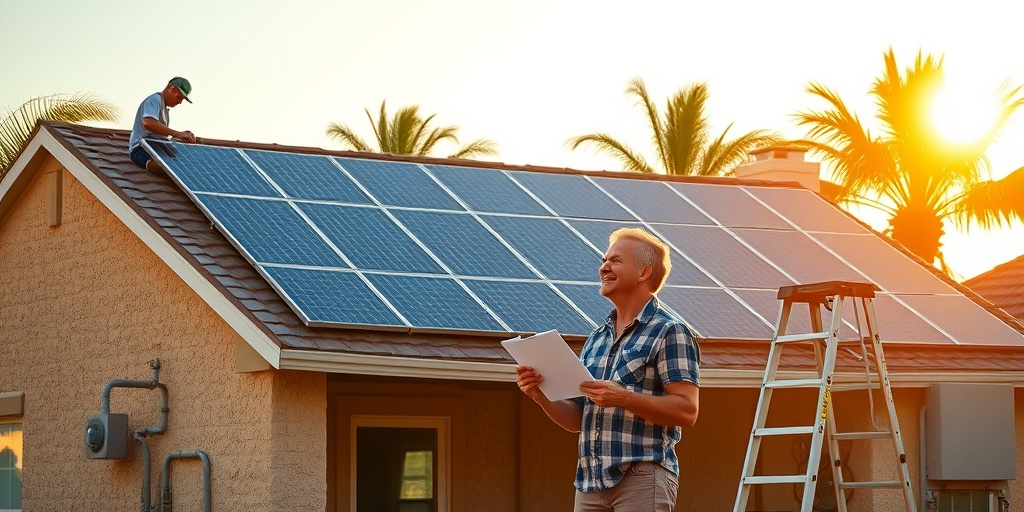
Did you know that the average Florida homeowner can save over $1,000 a year by switching to solar energy? With rising electricity costs and the increasing threat of grid instability, now more than ever is the time to consider solar. This is particularly crucial in 2025 when new incentives will further enhance the appeal of solar investments. However, transitioning to solar power isn’t as straightforward as it might seem. In our guide titled Avoid These Critical Mistakes When Installing Solar Panels, we’ll cover essential tips for successful solar panel installation to help you maximize your investment. We’ve gathered real-world insights, practical checklists, myth-busting facts, and in-depth analyses of what you need to know before going solar. In this informative journey, you’ll discover the importance of avoiding common pitfalls, empowering you to make educated, confident decisions as you move toward solar energy. This post will be divided into five key sections: a compelling case study that illustrates risks, a handy checklist, a myth-busting segment to clear up misconceptions, practical installation best practices, and an action plan tailored specifically for Florida homeowners.
Why Installation Errors Can Cost You More Than Just Money
Meet the Miller family of Orlando. They dreamt of harnessing the sun’s power to reduce their electric bills and minimize their carbon footprint. After extensive research, they finally decided to install solar panels on their home. However, driven by eagerness and some misleading information, they rushed the process and made several critical mistakes that would haunt them for years.
First, they failed to evaluate their roof’s orientation—a misstep that cost them significant energy efficiency. Instead of positioning the panels to capture the maximum sunlight, they ended up installing them in shaded areas, dramatically reducing their ROI. According to the Solar Energy Industries Association (SEIA), proper alignment can increase solar production by 30% or more. Their solar panels did not perform as expected, and they collectively wasted thousands of dollars on inefficient energy. To compound the issue, they overlooked proper permitting and installation processes, leading to unexpected fines and additional installation costs. In fact, improperly installed solar systems can lead to an up to 50% decrease in efficiency, wasting both time and money (Energy.gov).
The Millers’ journey provides a critical lesson for all Florida homeowners: proper planning, educated decision-making, and informed resource use are essential when installing solar panels to avoid making costly mistakes. In a state with over 237,000 solar installations and counting, it is apparent that the potential for solar energy remains vast—but only if done right. While we should embrace the sunny future that solar energy provides, we must also be on guard against common pitfalls that could derail your journey toward energy independence. With projected growth in Florida’s residential solar market, understanding these mistakes is urgent in 2025. Let’s dive deeper into effective strategies through actionable checkpoints, myth-busting clarifications, and data-driven analyses.
Essential Steps to Ensure Successful Solar Installation
Understanding the right steps to take when installing solar panels can be the difference between a successful investment and a regrettable error. Here’s a checklist of crucial actions to follow:
- Step 1: Evaluate Your Home’s Solar Potential. Before diving into an installation, assess factors like roof orientation, shade, and size. Solar panels perform best on south-facing roofs that get ample sunlight throughout the day.
- Step 2: Choose the Right Solar Provider. Not all solar companies are created equal. Research local providers, read reviews, and verify their experience in the Florida market to ensure a smooth installation process.
- Step 3: Understand Your Financing Options. Solar energy can be costly, but understanding your financial choices—such as loans, leases, or power purchase agreements—can save you significantly in the long run.
- Step 4: Secure Permits and Incentives. Solar incentives can significantly reduce upfront costs. In Florida, take advantage of state and local rebates, as well as federal tax credits tailored for solar users (DSIREUSA.org).
- Step 5: Prioritize Quality Installation. Following through with an experienced provider ensures that the installation meets all regulatory standards and guarantees optimal panel performance.
Following these steps can help mitigate the risks of making costly mistakes. Remember, taking the time to educate yourself will pay off as you secure energy savings for many years to come.
Debunking Myths About Solar Energy Installation
Many misconceptions can deter potential solar adopters from making the switch. Here’s a closer look at some common myths that need to be addressed:
- Myth #1: Solar Panels Don’t Work in Cloudy Weather. Contrary to popular belief, solar panels can still generate energy on overcast days, producing roughly 20-40% of their potential capacity even in cloudy conditions (SolarReviews.com).
- Myth #2: Solar Installation is Too Expensive. While the upfront cost might seem daunting, various financial incentives exist that can offset these initial expenses, ultimately saving homeowners significant amounts on their bills.
- Myth #3: I Must Own My Home to Go Solar. Many companies offer leasing options or power purchase agreements (PPAs) that allow renters access to solar energy without needing to purchase the panels outright.
- Myth #4: Solar Energy is Inefficient. Technological advancements have led to the development of highly efficient solar panels, with some models converting over 22% of sunlight into usable electricity (EnergySage.com).
- Myth #5: Solar Panels Require Constant Maintenance. In reality, solar power systems are low-maintenance, needing little more than an occasional cleaning and inspection to ensure optimal performance.
By addressing these myths, Florida homeowners can feel confident in their decision-making process. The technology surrounding solar panels has improved significantly over the years, and understanding the benefits can lead to significant savings and a greener lifestyle.
5 Expert Solar Installation Tips for 2025
When aiming for a seamless solar installation experience, knowledge is your best ally. Here are five essential tips that can drastically elevate your solar power journey:
- Tip 1: Don’t Skimp on Panel Placement. Proper solar panel positioning is pivotal for optimizing energy production. Consult with an experienced installer to determine the ideal angles and orientation.
- Tip 2: Invest in Quality Components. It may be tempting to choose cheaper components, but high-quality solar panels, inverters, and batteries will improve performance and longevity, saving you more over time.
- Tip 3: Stay Informed About Local Regulations. Solar energy policies can change rapidly. Staying abreast of local codes will help you avoid penalties and ensure compliance.
- Tip 4: Monitor Your System’s Performance. Post-installation, use monitoring tools to keep track of your energy production levels and identify any inefficiencies early on.
- Tip 5: Assess Your Energy Needs. Prior to installation, evaluate your household energy consumption patterns. This information will inform the number of solar panels required to cover your needs effectively.
By following these expert tips, you can navigate the complexities of solar installation with confidence, sidestepping common pitfalls while maximizing your ROI. In Florida’s vibrant solar energy market, being proactive is vital to achieving energy independence.
A Florida Homeowner’s Solar Journey: Lessons Learned
Let’s explore the narrative of Jessica, a passionate environmental advocate from Tampa. After years of saving and planning, she finally made the leap into solar energy, marking her commitment to sustainability. Jessica had high hopes for her solar investment but soon learned the importance of cautious planning.
Upon conducting research, she selected a contractor based solely on cost, assuming she was getting a great deal. Unfortunately, the panel placement was incorrect, leading to poor energy output. The lessons she learned include:
- Prioritize experience over cost—less price often means less quality.
- Understand the importance of assessing energy needs before purchase.
- Invest in reputable brands that provide warranties and reliable performance.
- Establish clear communication with the installation team to ensure alignment on expectations.
As her journey progressed, Jessica began to see the light—she adapted her approach by conducting thorough research, conferring with experts, and ultimately re-evaluating her installation options. Today, her solar panels meet her household energy needs, significantly lowering her bills. Her story serves as an invaluable reminder that knowledge and planning are the keystones to a successful solar investment.
Next Steps for Florida Solar Buyers in 2025
If you’re ready to embark on your solar journey, follow this actionable plan to ensure a smooth installation:
- Step 1: Audit Your Electric Bill. Understand your monthly electricity consumption to inform the type of solar system best suited for your home. Use this as leverage when discussing options with your installer.
- Step 2: Research Local Solar Providers. Take the time to compare bids and reviews of Florida solar companies. Aim to work with companies that have positive testimonials and an established track record.
- Step 3: Confirm Applicable Incentives. Look into federal and state solar tax credits and rebates. These can greatly reduce your overall installation costs.
- Step 4: Design a Customized Solar System. Collaborate with your chosen installer to design a system that fits your specific energy goals, maximizing production and savings.
- Step 5: Schedule Regular Maintenance. After installation, ensure to set reminders for annual inspections to prolong the life and efficiency of your solar panels.
Following these careful steps, you can pave the way for a rewarding solar energy experience. If you’re aiming to cut costs and boost energy independence, Florida’s solar opportunities in 2025 are too significant to ignore.
In conclusion, navigating the world of solar energy in Florida involves more than just enthusiasm; it requires informed decision-making and proper planning. From the Millers’ tale of caution to Jessica’s transformative journey, we have illustrated the importance of avoiding common pitfalls and helping you recognize viable paths toward solar success. Every misunderstanding about solar energy can lead to a critical mistake that costs you money, time, and potentially disrupts your desire for sustainable living. The future of your energy independence awaits—so don’t wait any longer!
Ready to start your solar journey in 2025? Connect with a certified expert at nyelectricandsolar.com today.
Related Articles
More insights about Solar Panels

Myth: Solar Panels Don’t Increase Home Value in Florida

Expert Insights: The Lifespan of Solar Panels Explained

How One Florida Homeowner Saved with Solar Panel Installation
Ready to Go Solar?
Have questions about solar energy? Our experts are here to help you make the switch to clean, renewable energy.