
Avoid These Critical Solar Scams That Can Cost You Money
Share:
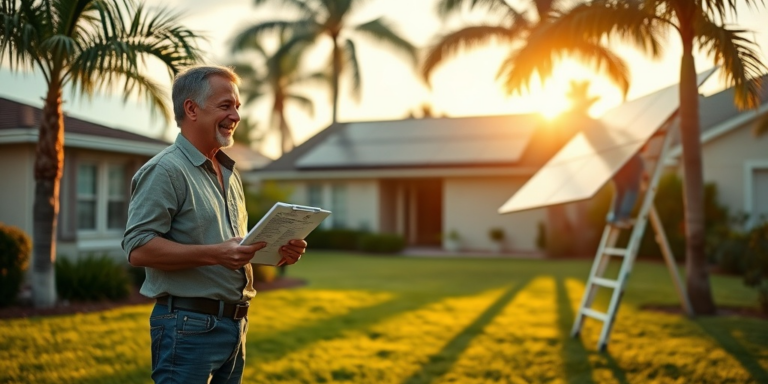
When it comes to making decisions that affect both your wallet and the environment, homeowners in Florida are increasingly turning to solar power. In fact, a staggering 80% of American homeowners are considering solar energy in some capacity as of this year (SEIA.org). However, with this surge in interest comes a darker side: scams and deceptive practices targeting unsuspecting consumers. This issue is even more urgent as we approach 2025, with energy costs soaring and new solar incentives being rolled out. In the blog titled Avoid These Critical Solar Scams That Can Cost You Money, we’ll uncover the perils of solar scams—ensuring you can navigate your solar journey safely and confidently.
Why is discussing solar scams vital right now? The U.S. solar market is set to grow by over 40% by the end of 2025, driven by advances in technology and federal incentives (Energy.gov). But with this growth comes an increase in misinformation and misleading marketing tactics designed to exploit potential customers. It’s imperative to arm yourself with information to ensure that your transition to solar energy is smooth and beneficial. In this article, we will explore five essential sections to help you avoid pitfalls: a deep dive into common scams, a detailed checklist to assist in your due diligence, common myths about solar energy that need debunking, a localized focus on Florida-specific scams and protections, and an informative look at the technical side of solar systems and billing.
A Deep Dive Into Common Solar Scams Affecting Florida Homeowners
Imagine this: a sunny afternoon in Florida, and you receive a phone call from an enthusiastic salesperson claiming they have an unbeatable deal on solar panels for your home. Sounds too good to be true, right? Unfortunately, many homeowners fall into this trap. These types of scams can take various forms, often exploiting the urgency that comes with rising energy costs and the exciting new federal incentives for solar installations. Below, we delve deeper into these scams, providing actionable steps you can take to protect yourself.
- Case Study: The Smith Family
Meet the Smiths, a typical family in Tampa who were eager to cut their electric bills by transitioning to solar energy. They came across a Facebook ad offering “free solar panels booked in the next 48 hours.” Intrigued, they arranged an appointment. The salesperson arrived and presented a contract that seemed legitimate at first, but contained hidden fees and misleading terms. Ultimately, the Smiths realized this deal would cost them more than their traditional energy bills. - Checklist to Avoid Scams:
Here are five essential steps you should follow:- Step 1: Always verify solar company credentials. Check for licenses and certifications.
- Step 2: Get multiple quotes. Don’t settle for the first offer.
- Step 3: Read contracts thoroughly before signing; don’t hesitate to ask questions.
- Step 4: Research the company on state consumer protection websites.
- Step 5: Seek advice from sun-wary neighbors or local solar advocacy groups.
- Myth-Buster On Common Misconceptions:
Let’s tackle some common myths that circulate regarding solar energy and scams:
Myth #1: All solar systems are the same.
Fact: Technology varies significantly. Research brands and product reviews (SolarReviews.com).
Myth #2: You always save big right away.
Fact: Initial costs may still be significant, though solar can lead to savings in the long run (NREL.gov).
Myth #3: You can go solar independently without any professional advice.
Fact: Professional consultation is essential to structure the solar system appropriately. - Local Focus: Florida-Specific Scams:
Florida homeowners are not immune to various scams. For instance, some companies offer “too-good-to-be-true” financing options that significantly inflate the costs later (DSIREUSA.org). The state government provides numerous resources for residents to verify licensed solar installers, further emphasizing the importance of due diligence. - Technical Deep-Dive: Understanding the Technology:
Many homeowners are not familiar with the technology underlying solar systems, which is where scams can emerge. Understanding how solar panels, inverters, and battery storage work is crucial. For example, an inferior inverter can reduce the system’s efficiency, resulting in higher energy bills and a less effective solar setup. Always ask about product specifications, warranties, and the certifications of all equipment.
As we uncover these scams, homeowners should remain vigilant and informed. The evolving landscape of solar technology will continue to benefit those who are prepared.
Recognizing Warning Signs of Solar Scams
Not every deal is as transparent as it seems. Due diligence is not just a recommendation; it’s a necessity. As we delve into this section, here are key warning signs to keep in mind when evaluating solar companies and offers.
- High-Pressure Sales Tactics:
Be wary of companies that pressure you into signing right away or tell you to act before an imminent deadline. Legitimate solar providers understand that purchasing a solar system is a big decision and are willing to give you time to think. - Unrealistic Promises:
Watch out for claims that guarantee massive savings overnight with little to no input from you. If it sounds too good to be true, it probably is. For example, some companies may exaggerate potential tax credits or benefits without providing clear details. - Lack of Transparency:
Companies that do not discuss installation costs, maintenance fees, or any risks associated with the contract are likely hiding something. A reputable company will be upfront about all aspects of the transaction. - Vague Contracts:
Any contract that includes ambiguous terms or hidden fees is a red flag. Contracts should specify installation costs, service warranties, and any financing options available. - Negative Reviews:
Take time to explore online reviews. A company with a pattern of grievances about hidden fees or poor service should be approached with caution.
For Floridians, knowing the warning signs is especially critical. With the state pushing for solar adoption in the next few years and many solar companies springing up, vigilance is key to making a sound investment.
5 Expert Solar Installation Tips for 2025
Preparing for a solar installation can be overwhelming, particularly with all the information available. However, having expert tips under your belt can provide clarity.
- Proper Orientation and Location:
Ensure the panels face the sun for maximum efficiency. Installers should assess your home’s roof to determine the optimal placement. Don’t skimp on panel location; it can impact energy production dramatically. - Invest in Quality Equipment:
Choose reliable brands for panels and inverters. Lower-priced installations can lead to higher long-term costs due to ineffective equipment. Prioritize warranties and guarantees that emphasize durability (SolarReviews.com). - Check Grid Connection:
Ensure your home can connect to the grid efficiently. Talk to your installer about net metering options in Florida, as connecting to the grid appropriately can offer significant savings (Energy.gov). - Understand the Maintenance Requirements:
Solar requires minimal maintenance, but it’s essential to keep the panels clean and check for debris. Make sure that the company you select offers aftercare services or guides you on how to maintain the system effectively. - Leverage Local Incentives:
Do not overlook state-specific incentives to minimize costs, such as the Property Tax Exemption for Solar Energy Systems in Florida. Understanding local rebates will significantly enhance your return on investment (NREL.gov).
Following these tips ensures a successful solar installation that ultimately serves you well and prevents you from falling victim to scams.
The Solar Journey of a Florida Homeowner: Overcoming Hurdles
The journey to solar adoption isn’t always smooth. Meet Maria, a homeowner in Jacksonville who envisioned a future powered by clean energy. Maria began her research but was misled by an aggressive salesperson that promised immediate savings if she signed on a dotted line that day. She hesitated but ultimately gave in to pressure, sealing a deal that she found regrettable only two months later.
Here’s what Maria learned from her journey:
- Take Your Time:
Rushing the decision often leads to regret. Take the time to evaluate all aspects of the deal. - Research is Key:
Extensive research can save you from costly mistakes. Maria spent hours consulting different sources, which helped her make an informed decision later. - Seek Recommendations:
Word-of-mouth from trusted friends or family is invaluable. Many Floridians have navigated solar installations, and their insights can be helpful. - Leverage Technology:
Maria utilized online platforms, comparing different quotes and reading real-time reviews to make informed choices (SolarReviews.com).
Maria finally found a trustworthy provider who delivered their promise without hidden fees. She now enjoys significantly reduced electric bills and has contributed positively to the environment.
Next Steps for Florida Solar Buyers in 2025
Now that you’re equipped with the knowledge to ward off scams, it’s crucial to understand what your next steps should be when considering solar conversion.
- Step 1: Audit Your Electric Bill:
Start by evaluating your current electricity consumption. Knowing your typical bill can help you make educated decisions on system capacity. - Step 2: Research Local Installers:
Search for qualified local solar contractors. Use resources like consumer protection websites to verify their legitimacy. - Step 3: Seek Multiple Quotes:
Just as mentioned before, getting various estimates can help you understand the market price and help you avoid overpriced offers. - Step 4: Schedule a Site Assessment:
Allow contractors to analyze your home’s solar potential. They can provide tailored solutions based on your energy needs. - Step 5: Review All Documents Carefully:
Before signing, ensure you’ve examined every detail. Reviewing warranties, costs, and terms can prevent future headaches.
Taking these steps can smoothen your solar transition while helping you avoid common pitfalls. For more information and tailored advice, visit nyelectricandsolar.com.
In conclusion, as Florida homeowners gear up to embrace solar energy in 2025, being alert to potential scams is more vital than ever. The journey may seem overwhelming, but with the right information at hand—including the ability to identify red flags and understanding how to execute due diligence—you can sidestep costly mistakes. When you prioritize your decision and become vigilant against fraudsters, you not only protect your finances but also secure a clean, sustainable future for your family and community.
Ready to start your solar journey in 2025? Connect with a certified expert at nyelectricandsolar.com today.
Related Articles
More insights about Solar Scams

Warning: Don’t Overlook These Solar Scams to Avoid

Don’t Miss This Critical Alert About Solar Scams

Don’t Ignore These Critical Solar Scams to Avoid
Ready to Go Solar?
Have questions about solar energy? Our experts are here to help you make the switch to clean, renewable energy.