
Beginner’s Guide to EV Charger Installation for Florida Homeowners
Share:
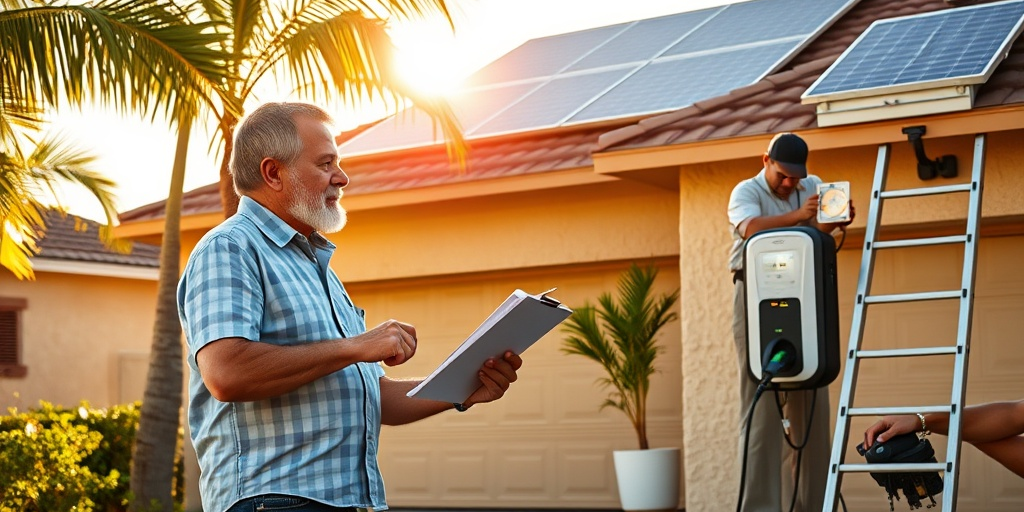
As electric vehicle (EV) adoption soars, Florida is set to become a shining example of how renewable energy and transportation intersect harmoniously. Did you know that Florida is expected to have over 1.4 million EVs on the road by 2025? As a Florida homeowner contemplating the transition to electric vehicles, understanding your options for EV charger installation is critical. Welcome to the Beginner’s Guide to EV Charger Installation for Florida Homeowners, where we will explore everything you need to know about installing and optimizing EV chargers at your residence.
With gas prices rising and climate change becoming an urgent crisis, installing an EV charger at home means more than just convenience; it’s a step towards sustainability and energy independence. Florida homeowners reported that the average cost of charging an EV is significantly less than traditional fuel, with costs typically between $5 to $12 for a full charge (Energy.gov). However, misconceptions abound—many think that home charging is complicated or expensive. A survey indicates that 70% of potential EV buyers hesitate to make the leap primarily due to misconceptions about home charging (SEIA.org).
As we move closer to 2025, it’s imperative that you understand the benefits of having an EV charger at home. The evolution of battery technologies and the expanding EV infrastructure will simplify your transition. In this guide, we will help demystify this journey by outlining:
- A deep dive into the importance of EV chargers and the various installation options.
- A practical checklist for homeowners considering EV charger installation.
- Common myths about EV charging systems debunked.
- A local focus on Florida-specific regulations and incentives for EV charger installations.
- Technical details of the most popular EV charging systems on the market.
Join us as we embark on this enlightening journey into the world of EV chargers where clean energy meets convenience, ensuring you’re not only prepared but also empowered for a sustainable future.
The Essential Role of EV Charging Stations in Modern Florida Homes
Imagine the thrill of waking up each morning with a fully charged vehicle. This is more than a dream; for Florida homeowners, it’s becoming a reality with the installation of home EV chargers. How does this work? Let’s dive into the nuts and bolts of home EV charging.
Meet Sarah, a Florida homeowner who recently transitioned to an electric vehicle. Faced with skyrocketing gas prices and a strong desire to minimize her carbon footprint, Sarah decided to install an EV charger at her home. However, she had her reservations. “I thought it would be complicated and costly,” she recounted during our chat. After doing thorough research and consulting experts, she found the experience not only feasible but liberating.
Here’s a checklist of key considerations when planning your EV charger installation:
- Determine Your Charging Needs: Consider how many EVs you plan to charge and how often you will need to charge them. Do you drive long distances or mainly short trips?
- Select Your Charger Type: Different charging systems offer various levels of performance—Level 1, Level 2, or DC Fast Charging. Each has its pros and cons depending on your needs.
- Find a Qualified Installer: Ensure that you choose a licensed electrician experienced in EV charger installations to provide a safe setup.
- Check Local Incentives: Florida offers incentives for EV charger installations, including rebates and tax benefits. Research available options.
- Plan for Future Expansion: If you anticipate growing your EV fleet or adding solar in the future, consider installing a system that can adapt to those changes.
It’s worth mentioning that research indicates up to 60% of EV owners charge their vehicles at home while sleeping, which adds enormous convenience (Energy.gov). Planning a home installation opens the door to reduced fueling costs and maximized savings for years.
Debunking Common Myths About EV Charging
Myth #1: Home EV Chargers Are Too Expensive—While the upfront cost of installation may seem daunting, many homeowners find they save significantly on fuel, and incentives can mitigate initial expenses.
Myth #2: Charging an EV Takes Too Long—In reality, most homeowners charge overnight or during the day while at work, eliminating the hassle of waiting. Level 2 chargers can fully charge an EV in 4-8 hours, which is often less than it takes to recharge your cell phone!
Myth #3: It’s Not Worth It if I Don’t Drive Much—Even drivers taking fewer trips to the grocery store can benefit; every charge reduces reliance on fossil fuels and aids in building a greener future.
Myth #4: Home EV Chargers Are Difficult to Install—Thanks to advancements in technology and a growing number of professionals specializing in EV chargers, the installation process is often seamless.
Myth #5: Using an EV Charger at Home Is Complicated—Today’s charging systems are user-friendly, equipped with smartphone apps to help track charging and costs, making home charging easy and stress-free.
As Florida progresses towards more robust EV adoption, it’s essential to separate facts from fiction. Understanding these myths can help pave the way for a successful transition to electric mobility. For more tips on successful installations, visit nyelectricandsolar.com.
The Florida Advantage: Incentives and Regulations
Florida is rapidly expanding its initiatives to support EV adoption. The state offers a variety of incentives for homeowners considering an EV charger installation, a practice encouraged by both local and state governments.
- State Rebates: Florida residents may qualify for rebates that can significantly offset installation costs. These programs can help cut down the initial investment, making it more viable and attractive for potential EV drivers.
- Tax Credits: Homeowners can take advantage of federal tax credits for installing EV chargers, leading to substantial savings during tax season.
- Local Grants: Many municipalities also allocate budget for green initiatives, providing further financial support for EV infrastructure installations.
- Increased Commercial EV Charging Stations: Local governments are actively fostering the development of charging stations across Florida, which enhances the convenience of using EVs.
- Electricity Rate Discounts: Some utility companies in Florida offer lower rates for EV charging during off-peak hours, leading to long-term savings on your energy bill.
This concerted effort towards electrifying transportation underscores Florida’s commitment to sustainable energy solutions. By aligning yourself with these forward-thinking policies, you position yourself as an early adopter in this transformative landscape.
Technical Deep-Dive: Understanding EV Charger Types and Technologies
Let’s break down the two primary types of EV chargers available for home installations: Level 1 and Level 2.
Level 1 Chargers: These chargers use a standard 120-volt outlet and are accessible for most homes. They charge at a rate of 2-5 miles of range per hour, which is adequate for hybrid vehicles or those who don’t drive frequently. However, they are not efficient for daily commutes that require longer ranges.
Level 2 Chargers: These systems operate at 240 volts, delivering a much quicker charging experience—typically 10-60 miles of range per hour. Level 2 chargers are a popular choice among Florida homeowners due to their efficiency and speed. They are ideal for daily commuters or households with multiple EVs.
To maximize your investment, consider the following features when selecting a charger:
- Smart Features: Many reputable brands now offer smart chargers that connect to Wi-Fi, allowing you to monitor usage and charging progress through a smartphone app.
- Charging Station Cord Length: Ensure the cord length can accommodate the charging needs of your EV. A longer reach is beneficial, especially if your parking situation is unique.
- Safety Ratings: Check that the charger has undergone testing and meets safety requirements. Look for certification marks such as UL or ETL.
As you weigh your options for EV chargers, understanding these technical aspects will ensure you choose the right system suited for your lifestyle. Thinking about solar? Combining solar energy with EV charging can further enhance your energy savings.
Next Steps for Florida Solar Buyers in 2025
If you are ready to install an EV charger in your Florida home, here’s a straightforward action plan:
- Step 1: Audit Your Electric Bill: Understanding your typical energy consumption will help you quantify any costs associated with additional charging.
- Step 2: Research Incentives: Check Florida’s state and local government websites to stay updated on current incentives that can lower your installation cost.
- Step 3: Choose a Charger Type: Decide between a Level 1 or Level 2 charger based on your budget and charging needs.
- Step 4: Hire a Professional Installer: Find a licensed electrician who specializes in EV charger installations to ensure everything meets safety regulations.
- Step 5: Connect to Renewable Energy: If considering solar, consult solar installation companies to explore the possibility of powering your charger with solar energy.
Implementing these steps can streamline your process and reduce any unnecessary barriers. For additional resources on EV charger installations, please visit nyelectricandsolar.com.
In conclusion, the path to EV ownership is electrified, filled with benefits not just for you as a homeowner but for our planet. The transition to electric vehicles, paired with the installation of efficient home charging systems, represents a win-win situation. With Florida leading the charge in renewable energy, you have the opportunity to take advantage of a shifting landscape that promotes sustainability.
Don’t underestimate the positive impact you can make on the environment or your wallet by opting for an innovative charging solution. As energy costs fluctuate and the urgency to address climate change grows, your actions matter significantly. Empower yourself with knowledge and resources to initiate this vital transition for both yourself and future generations. Your journey starts now!
Ready to start your solar journey in 2025? Connect with a certified expert at nyelectricandsolar.com today.
Related Articles
More insights about EV Charger

What Florida Homeowners Ask About Solar EV Charger Installation

Florida Homeowners Exploring EV Charger Installation Benefits

Beginner’s Guide to Understanding EV Charger Installation for Homeowners
Ready to Go Solar?
Have questions about solar energy? Our experts are here to help you make the switch to clean, renewable energy.