
Beginner’s Guide to Maximizing Solar Panel Lifespan for Florida Homeowners
Share:
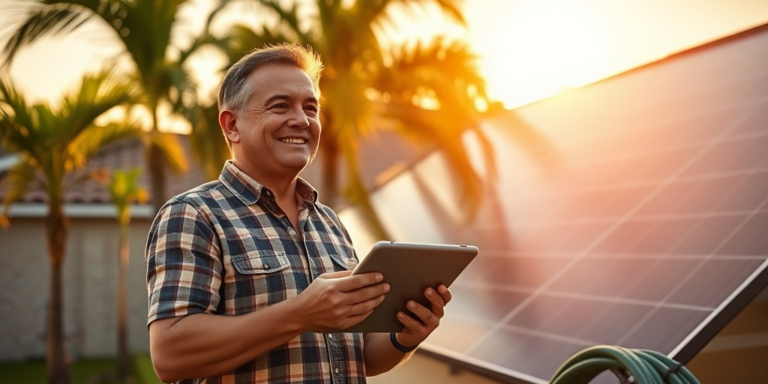
Did you know that a solar panel’s lifespan can exceed 25 years with the right care? As energy prices rise and environmental concerns deepen, many Florida homeowners are turning to solar power to not only reduce their carbon footprint but also save money on electric bills. In fact, according to the Solar Energy Industries Association, Florida ranks third in solar capacity installed across the U.S. with over 5.8 gigawatts deployed and counting (SEIA.org). This rapid growth highlights the increasing urgency for homeowners contemplating solar energy in 2025 to know how to maximize their solar panel lifespan. In our “Beginner’s Guide to Maximizing Solar Panel Lifespan for Florida Homeowners,” we will explore proven strategies to extend your system’s performance, ensuring that you don’t just invest in solar but enjoy the benefits for decades. We’ll cover compelling case studies, actionable checklists, myth-busting insights, local focus strategies that resonate with Florida’s unique solar landscape, and valuable technical tips to set up your system for long-term success.
As we look ahead to 2025, the efficient use of solar energy has never been more critical. The impending transition away from fossil fuels, coupled with new federal incentives aimed at promoting renewable energy, presents an incredible opportunity for Florida homeowners. The IRS provides a tax credit of 26% for solar energy systems installed through 2022, which drops to 22% in 2023 and phasing out entirely for residential systems by 2024 (Energy.gov). To harness these incentives effectively, understanding how to maintain and enhance your solar panel lifespan becomes fundamental. This guide will provide insights into these five sections:
- Case Study: Discover a real-life example to illustrate best practices.
- Checklist: Key steps to maximize your solar panel lifespan.
- Myth-Buster: Debunk common misconceptions about solar energy in Florida.
- Local Focus: Learn about Florida-specific stats and policies that impact solar effectiveness.
- Technical Deep-Dive: A detailed examination of solar system components and their maintenance.
Understanding the Lifespan of Your Solar Panels
Meet Linda, a Florida homeowner who took the leap into solar energy in 2019. Initially drawn by the opportunity to save on her electric bills, she later discovered a newfound commitment to sustainability. Linda’s journey reflects that of countless Floridians—initially cautious, yet transforming into enthusiastic advocates of solar power. Fast forward to today, her solar panels have aged about four years, and she is discovering how to extend their useful life even further.
Understanding how to maintain and maximize the lifespan of your solar panels is crucial for anyone looking to invest in this technology. According to the National Renewable Energy Laboratory, solar panels can last anywhere from 25 to 30 years, but their efficiency can degrade over time. Regular maintenance is key to ensuring that your system operates at peak performance, which affects both savings and your return on investment. As such, here are some essential steps Linda took to preserve her system’s functionality:
- Regular Cleaning: Dust and debris can significantly reduce the efficiency of solar panels. Linda set a reminder to clean her panels twice a year, especially after the dry season.
- Monitoring Performance: Utilizing solar monitoring apps helped Linda track her energy production. Staying informed allows for quicker troubleshooting if something seems amiss.
- Professional Inspections: Every few years, Linda scheduled professional inspections to check for potential issues like panel damage or inverter malfunctions.
- Proper Installation: Ensuring her panels are installed at the correct angle was initially a decision made with the help of her installer. This maximized exposure to sunlight throughout the year.
- Staying Informed: Linda subscribes to newsletters and participates in local workshops to stay updated on best practices in solar energy usage.
As you embark on your solar journey, remember it is essential to integrate preventative measures to ensure your system works for you over its expected lifespan. In Florida, the harsh sun can be both a curse and a blessing. Here’s your chance to harness it efficiently!
5 Essential Checklist Steps to Maximize Solar Panel Lifespan
Understanding the intricate elements behind maintaining solar panels can be overwhelming, but with a structured approach, it becomes manageable.
Step 1: Audit Your Electric Bill
Ensure that you grasp your energy consumption patterns. Understanding how much power you actually need versus what your solar system produces will assist in optimizing your panels’ performance.
Step 2: Clean Your Solar Panels Regularly
Dust, pollen, and debris can settle on solar panels, diminishing their efficiency. In Florida’s humid climate, algae and dirt can also develop, so a thorough wash twice a year is a wise practice.
Step 3: Inspect Wiring and Connections
Loose connections can lead to energy losses or safety hazards. Always make sure that the wiring is inspected during your maintenance checks, ensuring everything is intact and functional.
Step 4: Schedule Professional Maintenance
A solar technician can provide invaluable insights and preventative care that you might overlook. Quarterly or biannual check-ups can save you money in the long run by catching issues early.
Step 5: Monitor Performance Regularly
Take advantage of technology by using solar monitoring apps that provide real-time performance data, highlighting dips in production or potential issues.
Incorporating these steps into your solar panel routine can help you maximize your investment and ensure efficiency for many years to come. Investing in solar energy means ensuring it operates smoothly, thereby providing you financial freedom.
Myth-Busting Common Misconceptions about Solar Energy in Florida
Many potential solar adopters carry misconceptions, often dissuading them from pursuing this efficient energy solution. Here, we tackle some of the prevailing myths one by one:
- Myth #1: Solar Panels Don’t Work in Florida’s Humidity.
Contrary to belief, Florida’s humidity does not hinder solar panel efficiency. In fact, the hot climate can actually enhance solar production on sunny days! (Energy.gov). - Myth #2: Solar Energy is Too Expensive.
While the initial investment may seem substantial, the long-term savings often outweigh costs. Additionally, state incentives can offset installation costs significantly. - Myth #3: Once Installed, Solar Panels Require No Maintenance.
This is a critical misconception. Regular cleaning, inspection, and monitoring are essential for optimal performance and longevity. - Myth #4: All Solar Panels Are the Same.
Not all solar panels are equal—technological advancements mean there are various models, efficiencies, and warranties available. It’s essential to do research to select the right panel for your needs. - Myth #5: Solar Panels Reduce Home Value.
In actuality, many studies have shown that solar panels can increase home values. A report from Zillow indicated that homes with solar energy systems often sell for more than homes without them.
Understanding the facts versus the myths surrounding solar energy in Florida can empower homeowners like you to make informed choices. If you’re on the fence about adopting solar technology, knowledge is your greatest asset!
Florida-Specific Insights and Strategies to Enhance Solar Performance
Florida’s climate and policies significantly affect solar panel performance and longevity. Knowing the local landscape is crucial. Florida is not just a sunny state; it has unique attributes that impact solar adoption and performance, often positively. Here’s how:
- Solar Energy Legislation in Florida:
The Florida legislature promotes solar energy through laws that allow net metering, which credits solar panel users for the energy they contribute to the grid. - Local Incentives:
Florida homeowners can benefit from various incentives, including property tax exemptions for solar energy systems. This financial encouragement makes the investment more appealing (DSIREUSA.org). - Understanding Hurricanes:
It’s crucial to consider the weather conditions specific to Florida, especially hurricane season. Homeowners should consult their solar installers about sturdy mounting options to protect their systems. - Utilizing Local Installers:
Opting for installers who understand local codes, weather conditions, and the mechanics of Florida-specific solar energy solutions ensures a smoother installation and better system performance. - Monitoring Local Energy Rates:
Stay informed about local utility rates, as they can fluctuate. Monitoring policies may also open doors for potential savings on your energy bills.
Implementing these insights not only makes your system more efficient but also enhances your understanding of how solar energy interacts with Florida’s unique ecosystem. Now is the time to embrace the solar revolution and position yourself for long-term savings!
Next Steps for Florida Solar Buyers in 2025
Transitioning to solar energy involves critical steps that can empower you to maximize your system’s lifespan. Here’s a clear action plan to guide you through this process:
- Step 1: Audit Your Electric Bill.
Understanding your energy consumption provides clarity on your needs and how solar can meet them. - Step 2: Research Solar Installers.
Look for experienced local installers who can advise you on options that suit your specific needs and conditions. - Step 3: Plan for Permits.
Start gathering the required permits well ahead of installation. Local regulations may influence the installation process. - Step 4: Schedule a Site Assessment.
A professional will evaluate your property to determine optimal panel placements and energy projections. - Step 5: Connect with Financial Advisors.
Understanding financing options, including loans, leases, and the federal tax credit, provides avenues for managing the initial investment.
Following these steps can simplify your transition into the solar realm and position you for success. Partnering with an expert like nyelectricandsolar.com ensures you make an informed decision.
Conclusion
The journey toward maximizing your solar panel lifespan is one paved with knowledge, understanding, and proactive measures. From Linda’s story to the actionable insights provided, adopting solar energy today is about more than just financial savings; it’s a commitment to a sustainable future. With Florida’s unique incentives and growing solar community, you’re not just investing in panels—you’re investing in a greener tomorrow. Every step you take towards understanding your solar system contributes not only to your household’s energy savings but also to the continuity of the planet.
As you contemplate your solar options, remember that the choices you make today will affect you for years to come. The urgency of embracing renewable energy in 2025 is palpable, and the rewards for doing so are significant—both for your wallet and the environment.
Ready to start your solar journey in 2025? Connect with a certified expert at nyelectricandsolar.com today.
Related Articles
More insights about Solar Panel

How Many Solar Panels Do You Need in Upstate New York?

Florida Homeowners: Why Solar Panel Maintenance Is Essential

7 Essential Steps for Solar Panel Installation Success
Ready to Go Solar?
Have questions about solar energy? Our experts are here to help you make the switch to clean, renewable energy.