
Beginner’s Guide to Understanding EV Charger Installation
Share:
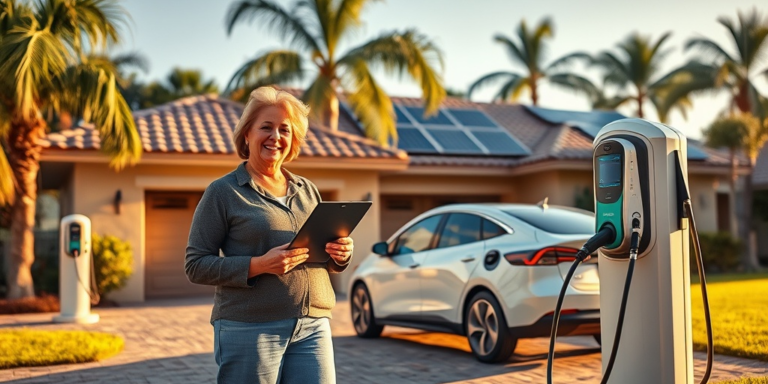
Imagine waking up each morning empowered by the sun, knowing that your electric bill is significantly lower, and that you’ve decreased your carbon footprint. As more Florida homeowners and commercial property owners evaluate how to harness clean energy, understanding the nuances of electric vehicle (EV) charger installation can be a game-changer. Welcome to our **Beginner’s Guide to Understanding EV Charger Installation**. Today, you’re about to embark on a journey that simplifies the transition to an electric future, helping you maximize your charging efficiency while embracing sustainability.
Did you know that the sale of electric vehicles is expected to reach 30% of all new car sales across the United States by 2025 (Energy.gov)? In Florida alone, the number of publicly available EV charging stations has surged 60% over the past two years, making it increasingly essential to understand how to install home charging units (Florida Department of Environmental Protection). Given the rising energy costs and a national movement toward more eco-friendly solutions, understanding EV charger installation has never been more urgent.
In the following sections, we will navigate through:
- Real-world stories that demonstrate the benefits of EV chargers at home
- A step-by-step checklist to ensure efficient and safe installation
- Common myths about EV chargers debunked with facts
- Florida-specific insights that are crucial for homeowners and commercial property owners
- A deep dive into the technical aspects of installation, including policy, equipment, and cost-reduction strategies
Let’s drive into this guide and ensure you’re fully equipped to make an informed decision in 2025!
Unlocking the Power of EV Charger Installation: A Case Study
Imagine a family in Fort Lauderdale, the Johnsons, who switched to an electric vehicle in early 2023. Their excitement quickly turned into confusion when they considered how they would charge their new car. Like many Florida homeowners, they faced essential decisions: should they use public charging stations, or install a charger at home? After researching, the Johnsons decided on home installation to maximize efficiency and convenience.
Within weeks, they had their EV charger installed, directly connected to their home’s solar energy system—a decision that turned out to be both economical and eco-friendly. The convenience of charging at home allowed them to save significant time, while powering their vehicle through the sun minimized their overall energy costs. By realizing a return on investment within just three years, they also significantly reduced their carbon footprint.
Checklist for Successful EV Charger Installation
The Johnsons’ successful installation can be replicated! Here’s a handy checklist for you:
- Step 1: Conduct a Home Assessment: Evaluate your current electrical system to determine if it’s compatible with an EV charger.
- Step 2: Choose the Right Charger: Understand the difference between Level 1 and Level 2 chargers, and select one based on your charging needs.
- Step 3: Plan the Installation: Decide the best location to install the charger, ensuring it’s sheltered and accessible.
- Step 4: Hire a Qualified Electrician: Ensure compliance with local electrical codes and safety standards.
- Step 5: Test Your System: Once installed, thoroughly test the system to confirm it’s functioning as intended.
Myth-Busters: Debunking Common Misunderstandings
To further bolster your confidence in making this leap, let’s debunk some persisting myths surrounding EV chargers:
- Myth #1: It takes too long to charge an EV at home.
This is false. Most homeowners can fully charge their vehicles overnight using a Level 2 home charger. - Myth #2: Installation is excessively expensive.
While initial costs can reach $1,000 or more, many homeowners make up for that with energy savings and rebates. - Myth #3: It’s complicated to operate an EV charger.
In reality, modern chargers are user-friendly, often equipped with smartphone integration and alerts.
Florida Focus: Embracing our Sunshine State’s Innovations
Florida’s unique solar initiatives make this state particularly appealing for EV owners. The state has 77,000+ registered EVs and an extensive network of charging stations (FSU Center for the Advancement of Energy Research). Moreover, new state legislation also provides compelling incentives that encourage installation of EV chargers and solar panels, enhancing your potential savings. Becoming familiar with these programs can lead to more than just operational efficiency—it can significantly impact your finances.
Technical Deep-Dive: Under the Hood of Your Charger
There are key technical components worth investigating when considering EV charger installation:
- Charger Types: Home chargers typically come in two configurations—Level 1 (for standard outlets) and Level 2 (for faster charging). Understanding their differences could save you time and money.
- Electrical Wiring: An electrician may need to upgrade your home’s electrical wiring to accommodate the new charger. Knowing your home’s electrical limits is essential.
- Cost Considerations: In 2025, federal and state incentives will likely fluctuate, which may offset initial costs. Exploring tax credits can drastically enhance your return on investment.
With these insights illuminated, let’s steer towards the next section that elucidates best practices in 2025.
5 Best Practices for EV Charger Installation in 2025
Understanding these best practices is essential for ensuring your investment is not only wise but also sustainable. As electric vehicles surge in popularity, aligning yourself with best practices now will pay dividends in the long term.
- Don’t Skimp on Quality: Choose reputable products from trusted manufacturers to ensure longevity and safety.
- Consider Future Needs: When selecting a charger, think about future EV purchases or upgrades that may necessitate a higher charging capacity.
- Be Safety Conscious: Ensure the installer follows all safety regulations to avoid potential hazards.
- Utilize Solar Energy: If your home has solar panels, connect your EV charger to your solar system for maximum savings and environmental benefits.
- Stay Informed About Incentives: Energy policies are constantly evolving; keep abreast of changes that may affect you financially.
As you can see, employing these best practices will secure a successful installation and enhance your overall experience with solar power and charging capacity. Now let’s explore a narrative that exemplifies many Florida homeowners’ decisions.
The Journey of a Florida Homeowner: Embracing Solar and EV Charging
Meet Sarah, an aspiring business owner in Orlando who decided to go green by installing both solar panels and an EV charger. Uncertain at first, the financial savings made the decision worthwhile. She recounts her journey: “Switching to solar not only helped with my electric bills but also inspired me to embrace an electric vehicle. The process, though daunting, became easier once I had the right resources.”
Sarah shared the following key takeaways that made her experience a success:
- Research Contractor Credentials: Ensuring that her chosen contractor had certifications proved beneficial in navigating local regulations.
- Create a Vision: Sarah visualized how an EV charger would fit into her life, addressing parking, aesthetics, and convenience.
- Leverage Community Resources: Utilizing local workshops and online forums led to valuable insights that informed her decisions.
- Understand Incentives: Knowledge about state incentives saved her over $2,000 on her installation—transforming her financial picture.
As her story highlights, understanding each facet of the journey paves the way for success—particularly when local policies can change dynamically, impacting the values and savings associated with these installations.
Next Steps for Florida Solar Buyers in 2025
Embarking on your solar journey doesn’t have to be overwhelming. Here’s a concise action plan to bolster your path:
- Step 1: Audit Your Electric Bill: Understanding your current usage can guide your decision-making process.
- Step 2: Contact Experts: Reach out to knowledgeable installations such as nyelectricandsolar.com to learn about options tailored to Florida homeowners.
- Step 3: Review Financing Options: Explore grants and loans offered by local agencies to minimize upfront costs.
- Step 4: Stay Updated on Local Regulations: Keep track of evolving EV and solar incentives within your area.
- Step 5: Finalize Your Installation Plan: Once everything is in place, schedule your installation and enjoy the peace of mind that comes with sustainable energy.
This actionable plan offers a concrete path forward. As we approach 2025, the opportunity to adopt solar and EV charging systems is here, and the next steps are critical for your energy independence.
Conclusion: Seize the Opportunity for a Brighter Future
In this journey through the **Beginner’s Guide to Understanding EV Charger Installation**, you’ve learned that embracing this technology is essential—not just for environmental sustainability but for your financial future as well. As homeowners and businesses across Florida assess their energy needs, unlocking the potential of solar paired with electric vehicle charging becomes a paramount step toward independence and savings.
The case studies, checklists, and narratives woven throughout this guide are designed to empower you with knowledge and inspire action. As you contemplate going solar in 2025, remember that equipping yourself with the right tools, knowledge, and resources will make the process smoother and more rewarding. Now is the time to prioritize renewable energy solutions, drive sustainability, and invest in your family’s future.
Ready to start your solar journey in 2025? Connect with a certified expert at nyelectricandsolar.com today.
Related Articles
More insights about EV Charger

What Florida Homeowners Ask About Solar EV Charger Installation

Florida Homeowners Exploring EV Charger Installation Benefits

Beginner’s Guide to Understanding EV Charger Installation for Homeowners
Ready to Go Solar?
Have questions about solar energy? Our experts are here to help you make the switch to clean, renewable energy.