
Beginner’s Guide to Understanding Solar Panel Lifespan for Homeowners
Share:
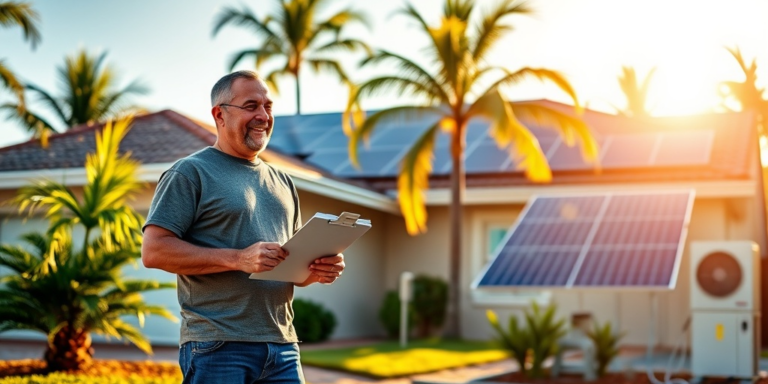
Imagine a sunny morning in Florida, where the gentle warmth of the sun is not just a comfort, but a source of energy. Did you know that solar panels can last over 25 years when properly maintained? In fact, according to the Solar Energy Industries Association, more than 99% of solar panels installed today are projected to withstand at least 25 years of high performance (SEIA.org). However, many Florida homeowners remain uncertain about how to maximize their investment in solar technology. This is why our **Beginner’s Guide to Understanding Solar Panel Lifespan for Homeowners** is essential for anyone considering this powerful alternative energy source. With rising energy costs and an increasing need for sustainable practices, understanding the lifespan of solar panels has never been more urgent than it is now in 2025.
In this guide, we will delve into several crucial areas. First, we’ll look into a relatable case study to highlight practical experiences and longevity. Next, a comprehensive checklist will provide actionable steps to ensure maximum efficiency from your solar panels. We’ll also clarify myths surrounding solar panel longevity to debunk the confusion. In our local focus, we’ll examine Florida-specific policies, incentives, and climate considerations affecting solar energy. Lastly, we’ll conduct a technical deep dive to cover essential aspects of solar technology, from installation to billing structures, ensuring you’re well-equipped for your solar journey.
Understanding the Lifespan of Solar Panels Through Real Florida Experiences
John and Sarah, a young couple living in Cape Coral, decided to invest in solar energy for their home in early 2023. Tired of soaring electricity bills, they researched the benefits of switching to solar power and discovered that solar panels not only offered long-term savings but also contributed positively to the environment. Their journey began with a local solar provider, who informed them that the average solar panel lifespan is approximately 25 to 30 years. Armed with this knowledge, they made the leap.
Installing 20 solar panels on their home, John and Sarah were excited to start saving. Within six months, they noticed a dramatic shift: their electricity bills dropped from $200 to just $40 a month. The couple started to feel empowered by their ability to control their energy costs and the sustainability of their lifestyle. Their panels had been installed at an optimal angle to capture maximum sunlight, a decision which significantly enhanced their system efficiency—a critical factor in extending solar panel lifespan.
To maximize the performance of their solar panels, John and Sarah followed these actionable steps:
- Regular Maintenance: Scheduling annual inspections ensured their panels were clean and functioning optimally, which extends their lifespan.
- Monitoring Energy Output: Using monitoring technology to track energy production allowed them to respond quickly to reduced output.
- Understanding Warranty: By thoroughly reviewing the warranty provided upon installation, they made sure all potential issues were covered for decades.
This relatable example illustrates not only the benefits of solar energy but also that your investment can flourish when informed decisions are made. It emphasizes the importance of understanding how to maintain and leverage your solar panels for sustained energy savings and performance. As they stand today, the couple feels fortunate to have made this choice, basking in the sun and rejoicing in national data which states that the average solar system could save homeowners around $20,000 over 20 years (Energy.gov).
Embracing solar energy in Florida offers both financial and ecological benefits, particularly as state policies increasingly favor renewable energy sources. The state is known for its sunshine, which fuels the potential for solar energy production. Now, as we shift towards maintaining the longevity of solar systems, let’s explore a checklist that Florida homeowners can utilize to ensure their solar panels remain efficient for years to come.
Your Essential Solar Panel Maintenance Checklist
Ready to maximize your investment? Here’s a detailed checklist that will guide you through maintaining your solar panels effectively:
- Step 1: Regular Inspections. Schedule inspections at least once a year with a certified professional. Ensure they inspect not just the panels, but also the inverter, wiring, and mounting system. Checking for physical damage, debris, and dirt helps maintain efficiency.
- Step 2: Clean the Panels. Depending on your location, panels can accumulate dirt and grime. Clean them with a gentle soap solution and a soft brush or hire professionals to renew their shine. Clean panels can significantly increase energy output.
- Step 3: Monitor System Performance. Install monitoring software to track the energy output of your solar system. Early detection of dips in performance can pinpoint potential issues, allowing for proactive measures.
- Step 4: Understand Your Warranty. Familiarize yourself with the warranty on your panels. Most panels have a performance warranty of 25 years. If performance drops below a certain threshold, you may be entitled to a replacement.
- Step 5: Stay Informed on Incentives. Keep up-to-date with state and federal solar incentives. Florida offers several property tax exemptions and rebates for solar installations that could save money on your investment (DSIREUSA.org).
By following these essential guidelines, you’ll not only help your solar panels perform optimally for longer but also ensure that your investment pays off as intended. The growing Florida solar market implies that consistent research and practice benefit everyone involved, from installation to maintenance.
Debunking Common Myths About Solar Panel Lifespan
When it comes to solar energy, many myths might prevent potential buyers from making the leap. Let’s tackle these misconceptions head-on to empower Florida homeowners:
- Myth #1: Solar panels don’t last long enough. Many believe that solar panels only last a decade or two. In reality, the average lifespan of solar panels is about 25 years or more (SEIA.org). With proper care and maintenance, they can continue to operate effectively beyond this period.
- Myth #2: Higher cost equals better performance. While premium brands often offer good quality, not all expensive panels guarantee higher efficiency. Look for certifications and reviews rather than just price tags.
- Myth #3: Solar panels are only effective in sunny areas. Although Florida is known for its sunshine, solar panels can still generate energy in cloudy or rainy weather. They harness diffuse sunlight, giving consistent performance.
- Myth #4: Solar panel technology is too complex to understand. Modern solar technology is more accessible than ever. With platforms designed for monitoring, Florida homeowners can easily visualize their system’s performance.
- Myth #5: Solar panels increase your home’s insurance cost. Many homeowners worry about higher insurance costs due to solar installations. However, insurance providers often offer discounts for renewable energy systems that can help offset any potential increases.
In summary, dispelling these myths enables homeowners to approach the solar energy landscape with a clear mind and informed perspective. The benefits of safe investments that last are clear, and understanding the real facts amplifies those advantages.
Florida-Specific Factors Influencing Solar Panel Longevity
When considering solar energy, it is vital to understand Florida-specific factors that can impact solar panel performance and lifespan. This dynamic state, marked by sunny days and beautiful coastlines, presents unique advantages and challenges for solar energy systems.
- Local Climate Conditions: Florida’s climate can be intense, with high humidity and salt air, especially in coastal areas. Choosing corrosion-resistant solar panels can enhance their resilience.
- State Incentives: Florida provides an array of incentives, including property tax exemptions on solar installations. Understanding these can significantly impact your long-term savings (NREL.gov).
- Energy Reliability: Florida’s energy grid has been known for disruptions. Utilizing solar plus battery storage can ensure consistent power delivery during outages.
- Local Regulations: Familiarize yourself with local codes and regulations governing solar installations. Some municipalities have unique requirements that affect installation processes.
By taking stock of these Florida-specific factors, homeowners can make informed decisions tailored to their specific environment. The long-term viability of solar systems greatly depends on understanding and adapting to local conditions.
Next Steps for Florida Solar Buyers in 2025
As we conclude our examination of solar panel lifespans, it’s crucial to provide a clear action plan for Florida homeowners ready to embrace solar energy in 2025:
- Step 1: Audit Your Electric Bill. Identify your monthly energy usage patterns and peak demand times. Understanding your consumption is essential to design an appropriate solar system.
- Step 2: Research Your Options. Take the time to compare various providers in your area. Investigate their warranties, insurance, and customer reviews.
- Step 3: Get Multiple Quotes. Engaging with several solar providers can offer diverse perspectives and options. Don’t settle for the first quote you receive; shop around!
- Step 4: Consult with Experts. Speak with knowledgeable professionals in the field. Seek advice tailored to your needs and learn how they address possible concerns.
- Step 5: Take Action! When you are ready, finalize the agreement, and schedule your installation date. Commit to making your solar investment a reality.
Taking these deliberate steps will foster clarity and confidence as you navigate the solar market in Florida. If you’re ready to get more information or schedule an installation, connect with us at nyelectricandsolar.com to start your solar journey!
In conclusion, the journey into solar energy is enriching, impactful, and undeniably urgent for Florida homeowners in 2025. By comprehensively understanding solar panel lifespan, exploring actionable maintenance practices, debunking myths, and considering local factors, you’re poised for a successful transition. Remember, the earlier you invest, the greater your potential savings can be in this sunny state. Your choice to adopt solar energy is not just about saving money on energy bills; it’s about a sustainable future for your family and the planet.
Ready to start your solar journey in 2025? Connect with a certified expert at nyelectricandsolar.com today.
Related Articles
More insights about Solar Panel

How Many Solar Panels Do You Need in Upstate New York?

Florida Homeowners: Why Solar Panel Maintenance Is Essential

7 Essential Steps for Solar Panel Installation Success
Ready to Go Solar?
Have questions about solar energy? Our experts are here to help you make the switch to clean, renewable energy.