
Beginner’s Guide to Understanding Solar Panel Maintenance Basics
Share:
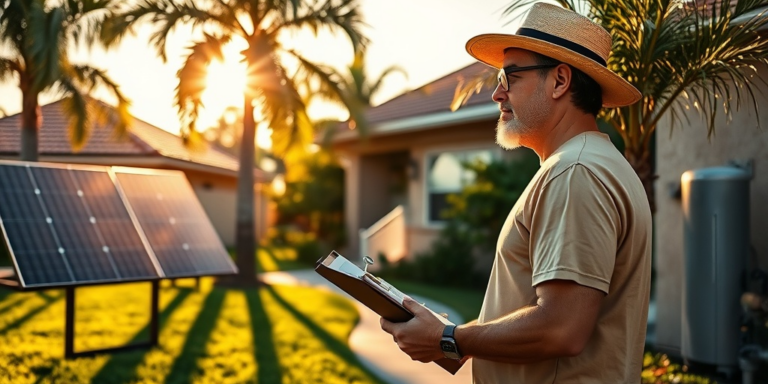
Did you know that properly maintained solar panels can last over 25 years and significantly reduce your energy costs? In 2025, as Florida homeowners face skyrocketing electricity bills—averaging 14.59 cents per kWh, a notable increase from previous years (EIA.gov)—understanding solar panel maintenance is more critical than ever. Welcome to our “Beginner’s Guide to Understanding Solar Panel Maintenance Basics,” where we will unlock essential tips that not only extend the life of your solar panels but also maximize your investment. With many new incentives for going solar emerging in the state—such as the federal Solar Investment Tax Credit—now is the time to delve deep into solar maintenance. In this guide, we’ll explore a compelling case study, present actionable checklists, debunk prevalent myths, focus on Florida-specific considerations, and provide a thorough technical analysis to prepare you for a brighter, more sustainable future.
Understanding the Importance of Solar Panel Maintenance
Imagine the Sanchez family from Orlando, who made the transition to solar energy last spring. They were enthusiastic about cutting their carbon emissions and saving dollars on their monthly utility bills. However, after six months without proper maintenance, they noticed that their energy production was dipping. Their initially high hopes began to fade when they discovered that neglecting even the smallest maintenance tasks could lead to significant performance drops. Like many Florida homeowners, they underestimated the importance of ongoing solar panel maintenance. To ensure that you, too, don’t fall into the same pitfall, here’s a checklist of key maintenance activities to keep your system running efficiently.
- Step 1: Regularly inspect your panels for dirt and debris: Dust, tree sap, and bird droppings can accumulate and degrade efficiency over time.
- Step 2: Check for any physical obstructions: Ensure no trees or buildings cast shadows on your panels.
- Step 3: Monitor your energy output: Many solar systems come with monitoring software that lets you see real-time performance.
- Step 4: Schedule annual professional maintenance: A technician can spot potential issues that you may overlook.
- Step 5: Stay informed about warranty requirements: Knowing what your warranty covers and under what conditions can save you money in the long run.
In the Sunshine State, it’s essential to remember that Florida ranks second in the U.S. for solar energy capacity, generating more than 5.6 gigawatts (SEIA.org). Yet, about 84% of solar panels remain underutilized due to lack of maintenance, leading to wasted energy and lost savings. Regular inspection and servicing will help ensure your system operates at peak efficiency, thereby maximizing your savings.
Now, let’s dive into some prevalent myths surrounding solar panel maintenance.
Myth-Busting: Common Misconceptions About Solar Panel Maintenance
It’s time to set the record straight on some common myths that could misguide you in your solar journey.
Myth #1: Solar panels don’t need any maintenance.
Truth: While solar panels are designed to be durable and require minimal upkeep, regular cleaning and inspections are crucial for optimal performance.
Myth #2: If I ignore my panels, they’ll still work fine.
Truth: Neglecting maintenance can drastically decrease efficiency. Studies show that dirty panels can lose up to 30% of their energy production (NREL.gov).
Myth #3: Rain is enough to keep panels clean.
Truth: While rain helps, it may not wash away all contaminants. Regular manual cleaning is often necessary, especially in areas with heavy pollen or nearby trees.
Myth #4: All solar panel cleaning services are the same.
Truth: Not all services prioritize safety and use gentle techniques that won’t damage your panels. Choose professionals with proven experience.
Myth #5: Once installed, there’s nothing else to think about.
Truth: Regular maintenance, monitoring energy output, and being aware of local changes—like new legislation—are essential to maintain efficiency.
Now that we have debunked these myths, let’s shift our focus to specific Florida considerations that every solar panel owner should know.
Local Focus: Solar Maintenance in the Sunshine State
Florida’s unique climate can have both positive and negative impacts on your solar panels. While we are blessed with abundant sunshine—averaging about 237 sunny days a year—there are weather challenges that require proactive maintenance.
- Heat and humidity: The high temperatures can cause wear on the solar panel’s materials over time.
- Hurricane season: Proper installation and maintenance make your system more resilient to severe weather. It’s crucial to check panel integrity before storm season begins.
- Monsoonal rains: Heavy rain can wash away dirt but might also lead to water pooling if the slope is incorrect; improper grading could affect system performance.
Florida offers numerous incentives to encourage solar adoption. For example, the state’s property tax exemption for solar installations can save homeowners thousands. Such incentives add more urgency to staying proactive about maintenance to ensure you reap the full financial benefits of your investment. It’s also helpful to connect with local solar industries and professional organizations for community updates on best practices. For more information, visit nyelectricandsolar.com.
The Technical Deep-Dive: Understanding How Solar Panel Components Affect Maintenance
Maintaining solar panels is not just about keeping them clean; it’s essential to understand the different components that require attention. Let’s break down each element of the solar power system:
- Solar panels: These are the most visible components, but they are also the most susceptible to external degradation. Understanding how weather impacts their longevity can guide your maintenance needs.
- Inverters: This critical component converts sunlight into usable electricity. Inverter maintenance is essential as they can lose efficiency over time and may require replacement.
- Batteries: If you have a battery storage system, regular checks for corrosion and operational capacity ensure maximum energy efficiency. Electrode wear can affect performance.
- Wiring and connections: Inspecting wires for wear and ensuring secure connections can prevent energy loss and potential fire hazards.
Florida homeowners should note that the average lifespan of inverters is about 5 to 10 years. Given this, a proactive maintenance approach can preempt costly replacements. Furthermore, operating on a net metering basis allows homeowners to send excess energy back to the grid, making monitoring energy output all the more significant.
Next Steps for Florida Solar Buyers in 2025
Your decision to go solar is an investment in a sustainable future. To ensure you maximize your return, follow this practical action plan:
- Step 1: Audit your electric bill to understand your current usage and potential savings with solar.
- Step 2: Research state and local incentives, including tax breaks and rebates that could offset costs.
- Step 3: Engage with a reliable solar provider—read reviews, check credentials, and ask about maintenance plans.
- Step 4: Schedule your installation during a dry season to ensure optimal conditions for mounting and sealing your panels.
- Step 5: Plan for ongoing maintenance by scheduling inspections and learning to monitor your panel performance.
Every step you take now will directly impact your energy savings in the long term. For more resources and expert advice, visit nyelectricandsolar.com today.
In conclusion, understanding solar panel maintenance is more important than ever as Florida homeowners gear up for 2025. The essential lessons shared in this guide provide the groundwork needed to keep your solar lifestyle flourishing and your investment protected. Remember, a small investment in maintenance can lead to significant returns in energy savings, increase the lifespan of your system, and contribute to a cleaner environment for future generations. As the energy landscape evolves, staying ahead of the curve with proper maintenance practices will ensure that you, like the Sanchez family, can enjoy the substantial benefits that come with embracing this renewable energy source. Ready to start your solar journey in 2025? Connect with a certified expert at nyelectricandsolar.com today.
Related Articles
More insights about Solar Panel

How Many Solar Panels Do You Need in Upstate New York?

Florida Homeowners: Why Solar Panel Maintenance Is Essential

7 Essential Steps for Solar Panel Installation Success
Ready to Go Solar?
Have questions about solar energy? Our experts are here to help you make the switch to clean, renewable energy.