
Why Central Florida Homeowners Should Consider EV Charger Installation
Share:
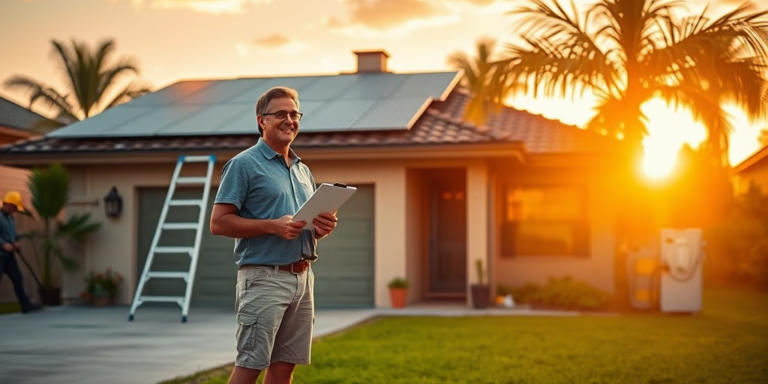
In 2025, electric vehicle (EV) adoption is set to soar, with a projected 25% annual increase in the purchase of EVs across the United States. Central Florida homeowners are at the forefront of this transition, as cities like Orlando and Tampa embrace greener technologies and sustainable energy solutions. With over 80% of Florida residents feeling the need to reduce dependency on fossil fuels (SEIA.org), the urgency to consider upgrades like EV charger installations grows stronger. This article, titled Why Central Florida Homeowners Should Consider EV Charger Installation, will delve into the compelling benefits of incorporating a dedicated EV charger into your home. The combination of rising energy costs, increased EV infrastructure, and effective solar incentives creates a perfect storm for solar and electric vehicle integration. We will explore five vital sections: 1) the journey of a Florida family embracing EVs; 2) a practical checklist for installation; 3) common myths debunked about EV chargers; 4) local data and examples highlighting the advantages for Florida homeowners; and 5) technical breakdowns of modern EV technologies.
Experience a Greener Lifestyle: A Case Study in Central Florida
Meet the Thompsons, a family living in the heart of Tampa, who made the decision to transition to electric vehicles alongside incorporating solar energy into their daily lives. This journey didn’t happen overnight. It began with a simple realization: their skyrocketing electric bills were deeply tied to the traditional energy grid and rising fuel costs. After doing research, they discovered that with the installation of an EV charger at home, they could not only power their new electric vehicle but also harness the sun’s energy, drastically reducing their expenses.
The Thompsons decided to install a 240-volt Level 2 EV charger. This enhanced their home’s functionality, allowing the family to recharge their EV overnight. They calculated that, on average, charging at home costs significantly less (up to 80% less) than filling up a conventional gas vehicle (Energy.gov). In 2025, with utilities implementing dynamic rates during peak hours, the savings from charging during off-peak times become even more attractive. Their solar panel installation allowed them to offset much of their electricity use, making their home greener and eco-friendlier.
Moreover, the adoption of an EV charger has broader implications. As Central Florida’s infrastructure evolves, local governments are planning to create more EV charging stations. Reports indicate that Florida ranks third in the country for the number of public charging points available (SolarReviews.com). This growing infrastructure supports the Thompsons’ choice, ensuring they will have access to public charging points for longer trips beyond their neighborhood.
Now, the Thompsons enjoy a seamless and sustainable lifestyle without the burden of hefty fuel and electric bills. They also feel good knowing they’re contributing to Florida’s growing green energy movement. If you’d like to follow in their footsteps and explore the advantages of EV charger installation in your home, it’s essential to consider the following steps:
- Step 1: Evaluate your home’s electrical capacity and existing infrastructure.
- Step 2: Research available EV chargers that match your vehicle’s specifications and your family’s needs.
- Step 3: Choose a certified installer who understands local regulations and solar integration.
- Step 4: Determine potential solar incentives and rebates available in Florida.
- Step 5: Coordinate the installation with solar upgrades to maximize efficiency.
By understanding the benefits of EV charger installation, Central Florida homeowners like the Thompsons pave the way for a more sustainable future.
Essential Steps for Installing Your EV Charger
Installing an EV charger involves thorough planning and an understanding of various factors that influence efficiency and effectiveness. Here are the essential steps in detail:
- Assess Electrical Capacity: Before installation, check your home’s electrical capacity. Most chargers require a dedicated circuit with a minimum of 32 amps. Understanding your electrical panel’s available amperage is crucial for suitable installation.
- Choosing the Right Charger: Level 1 and Level 2 chargers are commonly accessible. Level 1 uses standard 120-volt outlets for slower charging, which may not be optimal for daily use. Level 2 chargers offer faster, more efficient charging (up to 25 miles of range per hour), making them the preferred choice for homeowners.
- Installation Costs: The installation costs can range from $1,000 to $3,000 depending on your home’s electrical infrastructure. However, these costs may qualify for various rebates and incentives offered by local or state programs, which can significantly offset upfront expenses (NREL.gov).
- Find a Qualified Installer: Ensure you hire an installer experienced in EV charger installation and familiar with local codes. This will not only ensure safety but also enhance the charger’s longevity and performance.
- Integration with Solar Power: If you have solar panels installed or plan to install them, consider this integration during charger installation. Pulling power from your home’s solar output can further reduce costs and improve energy efficiency.
By following these steps, Central Florida homeowners will not only benefit from lower energy costs but also contribute positively to their environment. Those interested in fitting their homes with an EV charger should visit nyelectricandsolar.com to find certified installers who can ensure the process goes smoothly and efficiently.
Dispelling Common Myths About EV Chargers
As electric vehicles gain traction, various myths about EV chargers hinder homeowners from realizing the technology’s full potential. Let’s debunk some prevalent misconceptions and help you make an informed decision.
- Myth #1: EV Chargers Are Too Expensive: While the initial setup may seem pricey, consider the long-term savings enjoyed through reduced electricity and gasoline costs. Many states offer substantial rebates for EV charger installations, and the total cost is often recouped within a few years.
- Myth #2: Charging Is Inconvenient: With a home charger, the convenience factor increases dramatically. Most users charge overnight while parked. Given the growing number of public charging stations, which represents the second-highest growth rate in the U.S. (SolarReviews.com), getting charged while away is increasingly accessible.
- Myth #3: EVs Don’t Have Good Range: Modern EVs offer impressive ranges, often exceeding 250 miles per charge, making long commutes feasible without fear of running out of energy. Moreover, while most trips can be easily completed with home charging, the expanding charging infrastructure keeps drivers confident.
- Myth #4: EV Chargers Harm Home Value: Installing an EV charger can enhance your property value, especially as more homebuyers lean towards energy efficiency. Studies show a marked preference for homes equipped with EV chargers, especially in California, a trend likely to extend to Florida.
By addressing these myths, Central Florida homeowners can position themselves to make informed decisions about adopting EV technology and realizing the full spectrum of benefits offered by EV chargers.
The Local Impact of EV Charger Installation in Florida
As Florida continues its push towards renewable energy, the installation of EV chargers plays a crucial role in boosting local economies and contributing to energy independence. Understanding this local context is essential for homeowners embarking on their solar journey.
- Growing Infrastructure: Florida has made significant investments in upgrading charging infrastructure to meet consumer demand. The state aims to have over 5,000 public charging stations by 2025 (SEIA.org). As more charging stations become available, the advantage of owning an EV increases.
- State Incentives: Central Florida residents can access various state incentives, such as tax credits and rebates, for installing EV chargers. In addition, programs like “Charge Up Florida” aim to promote EV adoption across the state, providing financial offset for early adopters.
- Environmental Benefits: By making the switch to electric vehicles and solar energy, Florida homeowners can significantly lower their carbon footprint. This aligns with the state’s goals of reducing greenhouse gas emissions by 40% by 2030 (DOE.gov).
Embracing chargers and electric vehicles can start transitioning Florida toward a more sustainable future. The ripple effect of these installations will help create a greener environment and stimulate the local economy as the demand for electric vehicles rises.
Next Steps for Florida Solar Buyers in 2025
Ready to embrace the substantial benefits of installing an EV charger at your Central Florida home? Here is an actionable plan to help guide your decision-making process in 2025:
- Audit Your Electricity Bill: Start by reviewing your electricity bill to identify your electricity usage trends. This insight will help you determine how an EV charger aligns with your energy needs.
- Research Available EV Models: Investigate which electric vehicle fits your needs and budget. Knowing your options and their charging requirements is essential for your upcoming installation.
- Explore Solar Energy Options: If you haven’t switched to solar energy, now is the perfect time to consider it. Combining solar with your EV charger will maximize energy savings and enhance the value of your home.
- Connect with Local Installers: Reach out to certified EV charger installers in Central Florida. Discuss various charger types, integration with solar panels, and find applicable state incentives.
- Plan for Expansion: If you plan to expand your family or upgrade to a larger electric vehicle in the future, consider installing a charger capable of handling increased capacity to save on modification costs later.
Activate the power of sunlight to fuel your electric vehicle by visiting nyelectricandsolar.com where you can connect with solar energy experts.
Conclusion: Start Your Solar Journey in 2025
As we wrap up this topic, it’s essential to reflect on the transformative potential of installing an EV charger for Central Florida homeowners. From cost savings on energy bills and fuel to embracing renewable energy, the implications of this technology are profound. Each installation not only enriches the homeowner’s pocket but contributes to local community development through infrastructure growth and environmental sustainability.
The landscape of electric vehicles and solar energy is rapidly changing. With incentives and local initiatives encouraging cleaner transit options, hesitation to adopt these systems dissipates quickly. Equip your home with an EV charger today and align yourself with the sustainable future we are heading towards.
To dive deeper into solar energy solutions and start your journey, connect with a certified expert at nyelectricandsolar.com today. Together, let’s create a cleaner, greener Central Florida!
Related Articles
More insights about EV Charger

What Florida Homeowners Ask About Solar EV Charger Installation

Florida Homeowners Exploring EV Charger Installation Benefits

Beginner’s Guide to Understanding EV Charger Installation for Homeowners
Ready to Go Solar?
Have questions about solar energy? Our experts are here to help you make the switch to clean, renewable energy.