
The Truth About Common Solar Scams You Need to Avoid
Share:
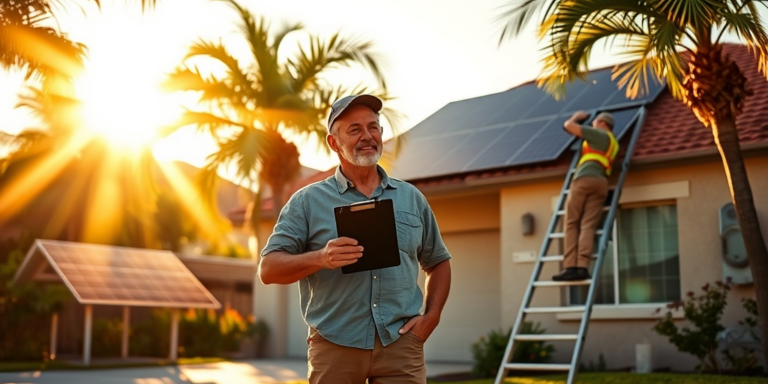
Imagine for a moment that a Florida homeowner, Maria, receives a phone call from a friendly voice claiming she can slash her energy bills by 80% with a newly released solar panel system. “All you have to do is sign here,” the voice urges, trying to convince her that it’s a once-in-a-lifetime deal. Maria feels excited, but she can’t shake off a nagging feeling—what if it’s too good to be true? This scenario is not just a tale; it reflects a rising dilemma for many as Florida embraces solar power more than ever. In fact, the Sunshine State is witnessing a significant uptick in solar installations, with nearly 30% of its homes now equipped with solar panels, a number that continues to skyrocket (Energy.gov). However, as the industry grows, so do fraudulent practices targeting unsuspecting consumers.
In our post, The Truth About Common Solar Scams You Need to Avoid, you’ll discover how to navigate through these murky waters and protect your investment. In 2025, the urgency for awareness will heighten as new solar incentives introduce enticing offers that may not be as straightforward as they appear. Florida homeowners face an evolving landscape of energy costs, grid instability, and the increasing temptation of shiny, seemingly irresistible deals. Knowing what to look out for can make the difference between a stellar investment and a costly mistake.
This comprehensive guide is structured to empower you with crucial information and steps to keep your solar journey safe and profitable. Here’s what we’ll cover:
- Section One—An in-depth exploration of real-life scenarios that reveal how scams operate.
- Section Two—A practical checklist to help you identify and avoid potential frauds.
- Section Three—Debunk popular myths surrounding solar power that could lead you astray.
- Section Four—A focused look at Florida’s unique regulations and local stats impacting your solar decisions.
- Section Five—An actionable plan detailing the steps you should take before going solar.
As we navigate through the realities of solar installation and investing, prepare yourself with the facts, strategies, and knowledge that will safeguard your future. Keep reading to ensure you’re well-prepared as you consider solar power in Florida.
The Reality Behind Solar Scams—Tales from the Trenches
When it comes to solar scams, the stories are often much worse than the reality. Take the case of Thomas, a commercial property owner in Miami. Eager to reduce his business’s energy costs, he encountered a contractor promising an impressive return on investment in record time. With their astonishingly low pricing and pressure tactics, they convinced him to commit on the spot. Unfortunately, within weeks of the installation, panels began to malfunction, and warranties turned out to be nonexistent.
To prevent such misadventures, here’s a checklist of considerations that will help keep you from falling into the trap:
- Step 1: Verify the Company’s Credentials
Always ensure the company you’re dealing with is accredited by the Better Business Bureau (BBB) and has adequate reviews on platforms like SolarReviews.com. Look out for logos and certificates on their websites; these can sometimes be fabricated. - Step 2: Get Multiple Estimates
Don’t settle for the first price you see. Get at least three estimates from different companies before making a decision. This will help you spot inflated prices or suspiciously low quotes. - Step 3: Understand the Contract Terms
Carefully read through every term of the contract before signing. Contractual obligations should include warranties, maintenance terms, and what happens if the panels underperform. - Step 4: Don’t Rush
High-pressure sales tactics are red flags. A reliable company will be willing to give you time to think and ensure you’re comfortable with your decision. If they push for immediate commitment, walk away. - Step 5: Ask for References
Speaking to previous clients can shed light on what you can expect. A reputable company will gladly provide references that you can follow up with.
It’s crucial for Florida homeowners to stay vigilant. According to studies, nearly one in three consumers has experienced some form of deception in purchasing renewable energy systems (NREL.gov). Knowing the facts and being proactive can save you thousands of dollars in the long run.
Now that we’ve covered the practical steps, let’s debunk some widespread myths that may cause skepticism around the solar investment.
Myths About Solar Power—Separating Fact from Fiction
Myth #1: Solar Power Is Only for the Wealthy
Many believe solar panels are a luxury reserved for affluent homeowners. In truth, programs like the Federal Solar Investment Tax Credit (ITC) and various grants make solar more accessible than ever. With financing options available, you can start enjoying benefits regardless of income level.
Myth #2: Installation Will Damage My Roof
When professionally trained installers handle the job, the concerns about roof damage are largely overblown. In fact, installing solar panels can actually extend the life of your roof by protecting it from weather conditions.
Myth #3: Solar Power Won’t Save Me Money
This myth couldn’t be further from reality. Homeowners have reported saving an average of 20–25% on their energy bills post-installation, with many recouping their initial investment within a few years (SEIA.org).
Myth #4: It’s Always Cloudy in Florida
Even with fluctuating sunshine levels, Florida’s average annual sunshine exceeds 237 days. This amount of solar radiation means you can effectively harvest solar energy even on cloudy days.
Myth #5: Solar Systems Require Constant Maintenance
Once installed, solar panels are relatively low-maintenance. A good cleaning every couple of years and routine checks will suffice. Most companies offer monitoring services that help manage system health remotely.
By busting these myths, you equip yourself with a more realistic outlook on solar energy, empowering you to take a more informed approach when exploring your options in Florida.
Understanding Florida’s Unique Landscape—Local Regulations and Incentives
In Florida, the rules governing solar energy and related incentives are as essential to acknowledge as the technology itself. The Florida Solar Rights Act, passed in 2005, protects homeowners’ rights to install solar systems, making it illegal for HOAs to deny solar panel installations.
- Local Incentives: Some regions, like Broward County, offer residents tax rebates for solar installation, while the Federal ITC provides a 26% tax credit on solar systems installed in 2022 and 2023, being reduced to 22% in 2025 (SEIA.org).
- Net Metering: In Florida, homeowners can sell excess energy back to the grid, giving you an opportunity to earn credit on your electric bill, which can significantly offset installation costs.
- Community Solar Initiatives: Initiatives allow folks living in multi-family homes or renters to access solar power without needing direct installation.
However, the rapid expansion of shady contracting practices has led to more stringent regulations emerging at both the state and local levels. Understanding these elements is crucial for Florida homeowners considering solar systems in 2025.
5 Expert Solar Installation Tips for 2025
As you embark on your solar journey, incorporating best practices will ensure that you maximize your investment while minimizing future hassles.
Tip #1: Choose Quality Over Cost
Don’t be tempted by the lowest price. Look for reputable brands that back their products with strong warranties and positive customer experiences.
Tip #2: Assess Your Home’s Solar Potential
Conduct a thorough analysis of your roof’s orientation, shading, and overall condition before installation. A solar expert can perform an audit to help you understand the best setup for optimal performance.
Tip #3: Plan for Future Needs
Think beyond current power requirements. If you plan to expand or add electrical appliances, it may be beneficial to install a larger system upfront to accommodate future growth.
Tip #4: Integrate Energy Storage
Consider investing in battery storage; it will allow you to store excess energy produced during the day and use it at night, maximizing your energy independence.
Tip #5: Regular Monitoring
Even the best systems require oversight. Ensure you have a monitoring setup that allows you to track energy output and system performance. Early identification of issues can save time and repair costs.
With these tips, you’ll position yourself to make the most of your solar investment, ensuring you’re well-equipped for the transitioning energy landscape in Florida.
Next Steps for Florida Solar Buyers in 2025
Taking steps toward solar energy is an exciting journey, and having a clear action plan will simplify the process:
- Step 1: Audit Your Electric Bill
Figure out how much you’re currently spending to understand the potential savings a solar system can bring. More clarity leads to better decision-making. - Step 2: Research Reliable Installers
Look for seasoned installers with positive reviews from credible sources to ensure a stellar service delivery. - Step 3: Consult Local Energy Experts
Engage in conversation with experts who understand Florida’s unique solar landscape to get personalized recommendations. - Step 4: Consider Installation Timing
Timing is essential. As new incentives roll out, consider delaying your installation for the latest benefits—without compromising your future energy savings. - Step 5: Make an Informed Decision
Weigh your options carefully before committing. Don’t hesitate to ask questions and clarify doubts with any potential contractor. You must feel comfortable with your choice.
Embracing solar energy is not just a trend; it’s a sustainable choice with the power for profound financial and environmental impact. For detailed insights on installation, cost-saving tips, and how to connect with trustworthy professionals, check out nyelectricandsolar.com.
As we conclude our exploration of solar scams and how to avoid them, the path to a renewable energy future comes with its share of challenges and opportunities. Whether through protecting your investment or debunking myths, being informed is your best defense. Don’t let fear or misinformation lead you astray—take charge of your solar journey. The time to act is now, not just for your home but for the planet.
Ready to start your solar journey in 2025? Connect with a certified expert at nyelectricandsolar.com today.
Related Articles
More insights about Solar Scams

Warning: Don’t Overlook These Solar Scams to Avoid

Don’t Miss This Critical Alert About Solar Scams

Don’t Ignore These Critical Solar Scams to Avoid
Ready to Go Solar?
Have questions about solar energy? Our experts are here to help you make the switch to clean, renewable energy.