
Is Community Solar the Right Choice for Florida Homeowners?
Share:
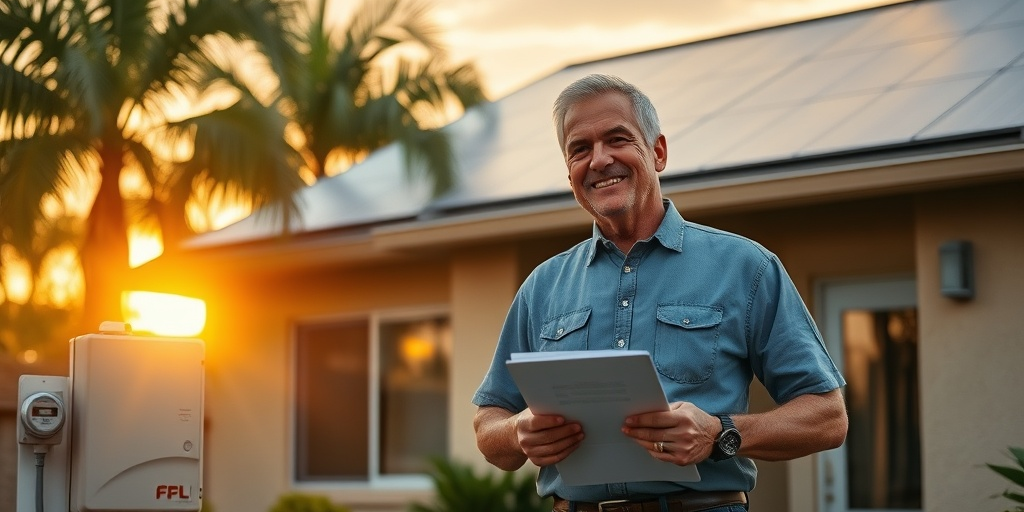
In a world where energy costs seem to rise every year, Florida homeowners are in a unique position to take control of their power bills and make a positive impact on the environment. Did you know that nearly 30% of Florida’s energy is generated from natural gas, contributing to increased utility costs and carbon emissions? Furthermore, a staggering 83% of Florida residents are interested in solar energy, particularly as technology becomes more affordable and efficient (Energy.gov). This raises an important question for many: Is Community Solar the Right Choice for Florida Homeowners? In this comprehensive guide, we will explore the myriad benefits, considerations, and real-world implications of community solar, specifically tailored for Florida homeowners seeking sustainable energy solutions in 2025.
As we approach 2025, changing policies and incentives make this conversation more urgent than ever. Rising energy costs, the growing sensitivity to climate change, and the introduction of new solar initiatives make it imperative for homeowners to explore all viable options. In this article, we’ll delve into several key sections: first, we will present a detailed examination of community solar through a real-life case study; next, we’ll provide a practical checklist that outlines the steps needed to participate; then, we’ll dispel common myths surrounding community solar; we will also highlight local policies and data specific to Florida; and, finally, we’ll present a technical deep-dive into the dynamics of solar energy systems. By the end of our discussion, you will have a clearer understanding of whether community solar is the right energy solution for you.
Understanding Community Solar: A Comprehensive Overview
Community solar operates on a simple yet impactful premise: it allows multiple participants to benefit from a shared solar energy system. This setup can provide homes with cleaner energy sources without requiring full installation on an individual rooftop. To illustrate this concept, let’s walk through the journey of a fictional homeowner, Sarah, who works as a nurse in Tampa, Florida. She was initially hesitant about solar power, fearing the costs and complexities involved.
After some research, Sarah discovered a local community solar program offering flexible subscription options, where she could buy into a solar farm nearby. The farm would produce electricity that would feed into the local grid, allowing homes like hers to receive solar energy credits on their utilities. This meant she could access solar energy and reduce her electric bill without the burden of installing panels on her property.
Here are steps Sarah took that other Florida homeowners can consider:
- Research Community Solar Options: Sarah explored various programs available in her region, checking for reputable providers that would ensure reliable energy production.
- Compare Financial Implications: She calculated potential savings against subscription fees, finding that her net savings would increase significantly compared to traditional energy sources.
- Evaluate Contract Terms: Sarah carefully reviewed the terms of her subscription, ensuring there were no hidden fees and that the agreement aligned with her budget.
- Assess Energy Needs: Understanding her household’s energy consumption allowed her to choose a subscription level that best fit her requirements.
- Make an Informed Decision: After gathering all necessary information, Sarah confidently subscribed to a community solar program, excited to make a difference financially and environmentally.
As Sarah’s story highlights, many homeowners harbor misconceptions about solar energy being too expensive or troublesome to implement. Myth #1: Solar power requires a large upfront investment. Most community solar programs operate on a subscription model, meaning you pay a set monthly fee rather than facing a hefty installation invoice. Research shows that over 60% of subscribers experience savings within the first year of joining (SolarReviews.com).
The Perks of Community Solar for Your Home
Community solar is an increasingly popular option, especially in states like Florida, where sunlight is abundant. Advantages include flexibility, accessibility, and potential savings. To better understand these benefits, let’s break down some key elements of community solar:
- Flexibility: Homeowners can participate without installing panels. This means no upfront costs or installation hassles.
- Accessibility: Community solar programs can cater to renters or those with shaded roofs, enabling a broader demographic to partake in solar energy solutions.
- Savings: Most programs provide users with a noticeable reduction in their electric bills, making sustainable energy investments viable.
- Environmental Impact: By choosing community solar, you contribute to less reliance on fossil fuels, supporting local renewable initiatives.
According to data from the Solar Energy Industries Association, the capacity of community solar installations has increased by over 400% between 2017 and 2021 (SEIA.org). This remarkable growth reflects an increasing desire among consumers to adopt cleaner energy practices.
Florida homeowners interested in finding community solar options can explore various providers and specific details by visiting nyelectricandsolar.com. It is essential to read reviews, compare costs, and understand how these programs fit into your energy goals.
5 Expert Solar Installation Tips for 2025
As more Florida residents consider transitioning to solar, having expert tips can ease the process. Here are five critical insights into maximizing your solar installation experience:
- Consult Multiple Providers: Just like Sarah, check various solar companies and community solar programs to ensure you’re making the best decision for your particular utility and budget.
- Understand Your Utility’s Policies: Familiarize yourself with how community solar credits will be applied to your electric bills, which varies depending on your utility provider.
- Engage with Local Solar Advocates: Participate in community discussions or forums about solar initiatives to gain valuable insights from others who have gone solar.
- Consider Battery Storage Options: While community solar isn’t about home battery systems, learning about them could complement your energy strategy and further your independence.
- Stay Up-to-Date with Policy Changes: With 2025 on the horizon, keep an eye on evolving solar policies in Florida. Adaptability is crucial as incentives may alter.
As Florida inches closer to comprehensive solar adoption, experts anticipate that innovations in this dynamic industry will empower communities toward energy independence. Relevant statistics show that 24% of Florida residents have invested in solar, indicating a growing trend (NREL.gov).
The Journey of a Fictional Florida Homeowner
Let’s take a more in-depth look at Sarah’s journey to solar energy, acting as a representative tale for many in Florida. Initially overwhelmed by energy bills that escalated each summer, Sarah began her research into solar energy. She learned about the community solar model and its feasibility for homeowners like herself.
After a few months of comparison shopping, Sarah connected with a local community solar program offering a beginner-friendly subscription. To illustrate her journey, her steps included:
- Identifying energy consumption: Sarah tracked her monthly energy usage to select her subscription level accurately.
- Addressing concerns about the energy grid: She discovered how community solar improved grid resilience, especially during hurricane season, by distributing energy production across multiple locations.
- Finding trustworthy partners: After solid research, she chose a community solar provider with a proven track record and excellent customer service.
- Signing the agreement: With careful contract review, Sarah confidently signed her subscription agreement, eager to begin her renewable energy journey.
Statistics indicate that Florida’s solar market is expected to grow by an additional 5.2 GW of installed solar capacity by 2025, supporting more homeowners on their solar journeys (DSIREUSA.org). With each passing year, programs are becoming more popular and easier for residents to navigate, which aligns with Sarah’s experiences.
Next Steps for Florida Solar Buyers in 2025
If you’re considering whether community solar is right for you, here’s a handy checklist to guide you through the decision-making process:
- Step 1: Understand Your Energy Needs: Assess your household’s energy consumption to gauge the ideal subscription size.
- Step 2: Research Available Programs: Check websites, reviews, and community discussions to identify reputable providers.
- Step 3: Compare Costs: Evaluate potential savings from various subscriptions against your current energy expenses.
- Step 4: Review Contractual Terms: Ensure clarity on payment terms, potential penalties, and any additional fees associated with participation.
- Step 5: Sign Up and Start Saving: Once you’ve done your research, subscribe and watch your energy expenses decrease!
This actionable plan allows homeowners to follow a structured process when considering solar energy options. As more individuals engage with community solar, the market will continue to evolve, making it essential for homeowners to stay informed.
Ready to start your solar journey in 2025? Connect with a certified expert at nyelectricandsolar.com today.
Related Articles
More insights about Community Solar

Florida Residents: 5 Reasons to Consider Community Solar Benefits

South Florida Community Solar Benefits: What Residents Should Know

Beginner’s Guide to Understanding Community Solar Benefits
Ready to Go Solar?
Have questions about solar energy? Our experts are here to help you make the switch to clean, renewable energy.