
Don’t Fall for These 3 Critical Solar Scams in Florida
Share:
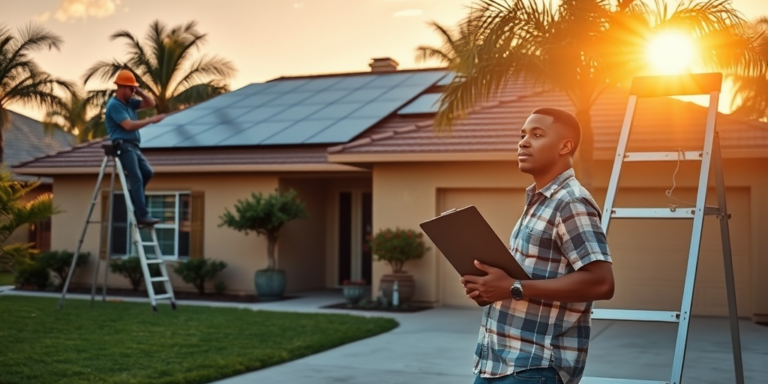
Imagine standing at your front door, feeling the warmth of the sun on your skin, while simultaneously knowing that each ray is not just a gift from nature, but also a source of savings. Sounds idyllic, right? For homeowners across Florida, the shift to solar energy has become not only a viable option but a practical one, especially in 2025. However, as enticing as the promises of solar power are, there lies a dark underbelly. Solar scams have proliferated like weeds in Florida’s sunshine, exploiting the increasing interest in renewable energy. In this article titled Don’t Fall for These 3 Critical Solar Scams in Florida, we will shed light on these deceptive schemes and help you navigate through the murky waters of solar investments.
Did you know that Florida ranks third in the nation for total installed solar capacity? As of 2022, the state boasted an impressive 6,934 MW of solar power capacity (SEIA.org). And with the federal solar investment tax credit (ITC) set to gradually decrease after 2025, the urgency to invest in solar has never been more pronounced. But with opportunity comes risk. Reports show that complaints related to solar energy scams have increased by over 32% in the Sunshine State in just the past year (ABC News). This creates a looming question for potential solar buyers: How do you protect your hard-earned money against these scams?
In this comprehensive guide, we will explore five pivotal sections:
1. The critical nature of solar scams and how to recognize them.
2. A detailed checklist for ensuring safe solar investments.
3. Myths surrounding solar energy that could lead to costly mistakes.
4. Local insights, including statistics and information pertinent to Florida homeowners.
5. The technical aspects of solar energy systems that every homeowner should understand.
Now that we have established the pressing need to be aware of solar scams in Florida, let’s dive deeper into the heart of the matter.
Understanding the Critical Nature of Solar Scams in Florida
The surge in solar energy adoption comes with the unfortunate rise in fraudulent activities. Picture a Florida homeowner, let’s call her Maria, who was thrilled at the prospect of going solar but soon found herself entangled in a web of deceit. A door-to-door salesman pitched an irresistible offer: a full solar panel installation, complete with an enticing financing plan that would pay for itself within months. Maria, excited and trusting, signed the contract without fully understanding the terms. In just a few weeks, she discovered that the promised panel efficiency was exaggerated and the financing terms included hidden fees that skyrocketed her overall cost.
To prevent Maria’s story from becoming yours, here’s a checklist to follow before making any commitments:
- Research the Installer: Check reviews on sites like SolarReviews.com and the Better Business Bureau. Verify that they are licensed and insured.
- Get Multiple Quotes: Compare prices and services from at least three different companies to ensure you’re not being ripped off.
- Understand Financing Options: Read the fine print regarding loans, leases, and Power Purchase Agreements (PPAs) to avoid unexpected charges.
- Verify Incentives: Ensure any incentives or tax credits are legitimate and not inflated in your proposal.
- Consult a Trusted Advisor: Speak with friends or family who have gone solar and seek guidance from independent experts.
Now, let’s bust some common myths surrounding solar that can lead to mistakes.
Myths Surrounding Solar Energy Scams
Myth #1: Solar Panels Don’t Work in Florida’s Humidity. In reality, solar panels are designed to withstand various weather conditions—including humidity and heat. In fact, Florida is one of the best states for solar energy production because of its sunny weather!
Myth #2: Solar Is Only for Wealthy Homeowners. This misconception is far from the truth, as various financing options and government incentives are available to make solar more accessible for all income levels. Programs specifically target low-to-moderate-income families in Florida (Florida Solar Energy Center).
Myth #3: You Can’t Get Battery Storage. While many people believe that solar panels only work in conjunction with the grid, battery storage systems are becoming increasingly popular, allowing Florida homeowners to store energy for nighttime use and emergency situations. In fact, nearly 30% of new solar installations now incorporate batteries (SEIA.org).
These myths fuel misinformation that can easily lead to scams or missed opportunities. Now, let’s focus on local insights that can help Florida homeowners better understand their solar options.
Local Insights for Florida Homeowners
The Sunshine State is undeniably a goldmine for solar energy, but that’s not the only reason to explore it. Florida residents enjoy several benefits that enhance their investment. For instance, under the state’s net metering policy, homeowners can receive credits on their bills for any excess solar energy produced, effectively reducing their overall electricity costs. Did you know that about 24% of Florida’s population is already utilizing net metering (DSIREUSA.org)?
Furthermore, Florida’s unique climate offers another advantage: solar panels become more efficient in warm temperatures, which helps maximize energy production during the long summer days.
Additionally, be aware of the various scams that specifically target Floridians. The rise of “phantom solar companies,” which appear out of nowhere and disappear after taking deposits, is a growing concern. Two particularly concerning things to look out for are:
- Pressure Tactics: If a salesperson pushes you to sign immediately, this is a red flag. A legitimate company will give you time to review and ask questions.
- Incomplete or Vague Contracts: Always read the fine print. If your contract lacks detail, your solar investment could be at risk.
Having a solid understanding of the local market will give you an edge in making informed decisions. Next, let’s dive deeper into the technical aspects of solar energy systems.
Technical Deep-Dive: Understanding Your Solar System
Solar energy systems could be as complex as managing a car engine; knowing the components is essential to keep everything running smoothly. Key elements of a solar energy system include photovoltaic panels, inverters, batteries, and mounting equipment.
To outline the operation:
- Photovoltaic Panels: These collect sunlight and convert it into electricity. The efficiency of these panels varies by manufacturer, so it’s wise to investigate brands!
- Inverters: This device changes the DC electricity produced by the panels into AC electricity for home use. High-quality inverters can significantly improve your system’s efficiency.
- Batteries: Often integrated into the system, batteries store excess energy generated, providing power during the night or power outages. More installations now include battery systems for added flexibility.
- Monitoring Systems: These allow you to keep track of your solar production and consumption. This visibility helps you understand your savings and detect any issues with your system early on.
In understanding these components, Florida homeowners can better evaluate solar technology offerings and make informed decisions to prevent falling victim to scams. Now, let’s create an actionable plan for prospective solar buyers.
Next Steps for Florida Solar Buyers in 2025
As you embark on your solar journey, it’s essential to have a clear action plan. Here is a structured approach you can take:
- Step 1: Audit Your Electric Bill: Review your past bills to understand your energy consumption and the potential savings solar can deliver.
- Step 2: Assess Your Property: Consider factors such as roof orientation, shading from trees, and the overall condition of your roof before installation.
- Step 3: Research Local Installers: Utilize online resources like nyelectricandsolar.com to find reputable solar companies in your area.
- Step 4: Discuss Financing Options: Evaluate and discuss various financing options available to ensure you can afford your investment without strain.
- Step 5: Verify Everything: Double-check your installer’s credentials, insurance, and warranties to ensure they are reputable.
These steps will significantly minimize the risk of falling victim to scams while maximizing your chances for success, paving the way for a smooth solar experience. Now, let’s recap the entire journey.
Conclusion
In summary, the allure of solar energy in Florida is undeniable, but the threat of scams is very real. With increased interest in solar going into 2025, it’s crucial to arm yourself with knowledge. Understanding the scams, debunking myths, and having local insights can provide a solid foundation for making informed decisions. Navigating the complexities of solar energy systems can be daunting, but with careful research and planning, you can avoid pitfalls that many others have encountered.
Don’t risk your investment; take empowered steps towards solar. As you make your solar decision, remember that this isn’t merely a financial decision but also one that impacts the future for your family and our planet.
Ready to start your solar journey in 2025? Connect with a certified expert at nyelectricandsolar.com today.
Related Articles
More insights about Solar Scams

Warning: Don’t Overlook These Solar Scams to Avoid

Don’t Miss This Critical Alert About Solar Scams

Don’t Ignore These Critical Solar Scams to Avoid
Ready to Go Solar?
Have questions about solar energy? Our experts are here to help you make the switch to clean, renewable energy.