
Don’t Fall for These 5 Solar Scams in Florida
Share:
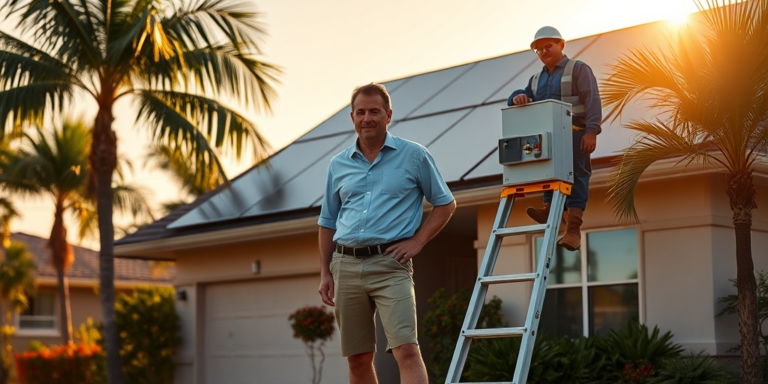
As solar energy continues to gain momentum across the country, Florida is at the forefront of this energy transition. In fact, Florida ranks third in the nation for installed solar capacity, boasting over 12,000 solar installations as of 2023 and rising. However, with this growth comes an unfortunate surge in fraudulent schemes targeting eager homeowners looking to invest in solar energy. Homeowners are now facing the risk of losing not only their investments but also their trust in this sustainable technology due to misleading practices. That’s why today we’re addressing an urgent and crucial topic: Don’t Fall for These 5 Solar Scams in Florida. In 2025, as energy costs continue to soar and awareness of solar incentives grows, it’s vital to distinguish legitimate offers from deceptive ones. If you’re not educated about the possible pitfalls, you could easily become a victim. In this post, we’ll explore five common scams that plague the Florida solar market and offer practical steps to protect your investment, empowering you to embrace solar power with confidence. Let’s dive into the specifics of each scam to bolster your defenses against potential fraud.
Identifying Common Solar Scams in Florida
Florida homeowners are increasingly becoming aware of the financial and environmental benefits of going solar. Unfortunately, this awareness has opened the door to a variety of scams preying on the unsuspecting. One particularly egregious case involved the Rodriguez family, who were approached during a community event by a supposed solar company. Enticed by promises of free installation and high rebates, they quickly signed a contract, only to find the company vanished without a trace, leaving the family with hefty upfront fees and no solar panels. This tragic story underscores the reality that the solar industry is not immune to exploitation. To help you navigate this landscape, we’ve compiled a checklist of essential actions to take when considering solar installation.
Checklist: How to Avoid Solar Scams in Florida
- Step 1: Verify Licenses and Certifications
- Step 2: Research Company Reviews
- Step 3: Evaluate Financial Proposals Carefully
- Step 4: Beware of “Too Good to Be True” Offers
- Step 5: Get Multiple Quotes
Ensure that the company you’re considering is licensed and certified by the Florida Department of Business and Professional Regulation (DBPR). This can include checking if they have NABCEP certification, which is a mark of excellence in the solar industry.
Look for customer reviews on platforms such as SolarReviews.com or the Better Business Bureau (BBB). A company’s reviews can reveal its reliability and the quality of its service, helping you avoid disreputable providers.
Be wary of anyone who insists on immediate commitment without giving you the time to review financial proposals thoroughly. In Florida, the average cost to install solar panels ranges from $15,000 to $25,000, and it’s crucial to understand repayment terms and incentives fully.
If it sounds too good to be true, it probably is. Promises of significantly lower prices or free installations often come with hidden agendas or complicated contracts that result in long-term problems.
Solicit quotes from several solar installers before making a decision. Comparing estimates will ensure you’re getting a fair price and legitimate offers.
As we explore these scams further, it’s vital to keep the phrase “trust but verify” at the forefront of your mind. The solar industry is laden with both opportunities and risks; thus, staying informed is crucial in protecting your investment.
Debunking Myths Around Solar Energy Scams
In a world filled with misinformation, it’s easy to become afraid of making the wrong decision. To navigate this landscape effectively, we must address five common myths that circulate in the Florida solar market. By debunking these myths, we’ll empower you to make informed decisions about your potential solar investments.
- Myth #1: All solar companies operate ethically.
- Myth #2: Solar panels have only limited lifespan.
- Myth #3: You can’t go solar if you have a shady roof.
- Myth #4: Solar energy only works when the sun is shining.
- Myth #5: Once you install solar panels, there’s no upkeep required.
This couldn’t be further from the truth. While many reputable companies strive to promote sustainable energy, some recognize an opportunity to exploit others’ willingness to invest. Consumers must conduct due diligence before proceeding with any installation.
Many Florida homeowners fear solar panels will break or malfunction within just a few years. However, with proper maintenance, solar panels can last upwards of 25 years while providing free energy. This makes the long-term investment worthwhile provided you choose a reliable provider.
Florida homeowners with roofs that aren’t ideal for solar gather a common myth that solar panels are impossible to install. Fortunately, with innovative technologies like solar shingles and community solar gardens, you can still derive benefits from solar power.
Many believe solar energy is useless at night, but that’s not the case. Battery storage solutions allow homeowners to harness energy generated during sunny days, storing it for nighttime use.
While solar panels are low-maintenance, they aren’t maintenance-free. Regular cleaning and inspection are essential to ensure they’re operating optimally, enhancing their lifespan and efficiency.
Empowering homeowners with accurate information helps reduce fears and leads to informed purchasing decisions. As you transition to solar energy, remember that knowledge is one of your most valuable tools.
Best Practices for Choosing a Reliable Solar Installer
Before diving into a solar investment, implementing best practices will set the foundation for a successful, fraud-free experience. Awareness of these practices equips homeowners to foster transparency and build strong relationships with their installation teams.
5 Expert Solar Installation Tips for 2025
- Don’t skimp on panel placement: A significant percentage of failures stem from poor positioning of solar panels. Work closely with your installer to determine the optimal angle and orientation for maximum sunlight exposure.
- Always conduct site assessments: Before installation, evaluate how potential barriers like trees or buildings affect sunlight availability. This can illuminate potential challenges before they occur.
- Consider battery options: Investing in battery storage can prevent reliance on the grid and maximize your efficiency, especially in areas with frequently fluctuating power availability. Storage systems allow savings to compound even during blackouts.
- Get clear contracts: Ensure you understand the terms laid out in your contract. Look for any vague language that can mislead you in terms of timelines, warranties, and financial obligations.
- Invest in quality equipment: While budget is essential, opting for well-reviewed and reputable brands can ensure longevity. Remember that investing wisely today will save you from costly repairs down the line.
Utilizing these expert tips provides a strategy for Florida homeowners to navigate the complex landscape of solar energy with confidence. At this point, you should feel empowered to make informed decisions; however, the most transformative part of your solar journey can only begin once you truly understand your local landscape.
Understanding Florida’s Solar Landscape
The Sunshine State is experiencing a solar renaissance, but navigating through this arena can be challenging. The key is to educate yourself on how state policies, industry standards, and available financial incentives shape local solar offerings. To showcase this concept, let’s walk through a fictional homeowner’s experience transitioning to solar.
Meet Emily, a 40-year-old single mother residing in Tampa. Tired of escalating electric bills that had drastically increased by 20% over the last three years, Emily set out to explore solar options. To her surprise, she discovered not only diverse financing options but also state programs that incentivized investments in renewable energy. That knowledge empowered her decision-making, as she was well-informed about the potential for up to a 30% federal tax credit on her solar installation. After careful screening of multiple installers, Emily signed a contract with a highly-rated local company, ensuring both quality and transparency.
The 4 Steps Emily Took to Successfully Go Solar
- Research & Select a Reputable Installer: Emily spent hours reviewing online reviews and gathering recommendations from friends.
- Understand the Cost Structure: Emily received comprehensive estimates outlining costs, tax credits, and financing options that beautifully clarified her investment.
- Be Proactive with Maintenance: Before signing the contract, she clarified service terms and ensured a reliable maintenance plan was included in the deal.
- Engage with Local Resources: Emily visited nyelectricandsolar.com to stay up-to-date on state policies, energy rates, and community updates concerning solar installations.
Through careful planning and a proactive approach, Emily successfully transformed her energy strategy while avoiding common pitfalls that ensnared other unsuspecting homeowners. Her experience exemplifies how a clear understanding of Florida’s solar landscape can be your guiding compass.
Next Steps for Florida Solar Buyers in 2025
If you’re considering solar energy in Florida, a solid action plan will keep you informed and aligned with local resources. Below is your comprehensive checklist for navigating with confidence.
Solar Homeowner’s Action Checklist:
- Step 1: Audit Your Electric Bill
- Step 2: Schedule Consultations with Multiple Installers
- Step 3: Secure Financing Options
- Step 4: Leverage State and Federal Incentives
- Step 5: Continuously Educate Yourself
Understanding your baseline energy consumption is critical. By analyzing one year’s worth of bills, you can work with installers to develop an optimized solar plan tailored to your needs.
By meeting with several companies, you can gain insight into their offerings and uphold transparency in potential deals.
Explore various financing options including cash purchases, loans, and leases. Understand your credit score and how it affects your potential loan options.
Familiarize yourself with the tax credits and rebates that can significantly reduce your upfront costs. Due diligence in researching these can help you maximize savings.
Stay informed about evolving solar technologies and policies. Knowledge is power; accessing resources like nyelectricandsolar.com can keep you in tune with the latest solar updates.
By taking these proactive steps, Florida homeowners can begin their solar journey with confidence, ready to navigate the opportunities and challenges that lie ahead.
As we come to the conclusion of this essential guide, it’s vital to recap the transformative journey to solar energy. We’ve explored the ever-present threat of scams, presented a robust checklist for avoiding pitfalls, debunked myths that hold homeowners back, and provided best practices to create fruitful partnerships with installers. The financial and environmental benefits of solar energy are soon becoming a necessity in our evolving world, especially in an energy market facing constant challenges. Starting your solar journey is an investment—for your finances, your family, and the planet. Don’t wait for scams to derail your dreams of energy independence; take that leap today. Are you ready to explore your solar options in 2025? Connect with a certified expert at nyelectricandsolar.com today.
Related Articles
More insights about Solar Scams

Warning: Don’t Overlook These Solar Scams to Avoid

Don’t Miss This Critical Alert About Solar Scams

Don’t Ignore These Critical Solar Scams to Avoid
Ready to Go Solar?
Have questions about solar energy? Our experts are here to help you make the switch to clean, renewable energy.