
Don’t Fall for These Solar Scams to Avoid in Florida
Share:
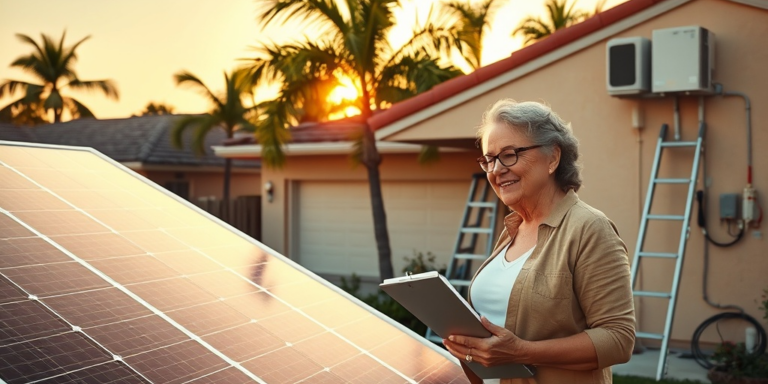
As Florida homeowners begin considering the transition to solar energy, it’s essential to be aware of the increasing rise of Solar scams that exploit unsuspecting consumers. In fact, the Better Business Bureau reported a 30% increase in complaints related to solar energy companies from 2021 to 2023 (BBB.org). The U.S. solar market is poised to exceed 28.5 GW by the end of 2025, making it an incredibly lucrative field—one that can attract both reputable businesses and con artists looking to take advantage of confused consumers (SEIA.org). This brings us to our topic, Don’t Fall for These Solar Scams to Avoid in Florida. It is crucial to arm yourself with the knowledge necessary to navigate this rapidly changing landscape, particularly in 2025, where incentives for solar adoption are peaking and energy costs are continuously on the rise.
In this guide, we will dive into the top five sections that will help you protect your investment and maximize your savings:
1. **A Deep Dive into Common Solar Scams**
2. **A Step-by-Step Checklist to Vet Solar Providers**
3. **Debunking Popular Myths About Solar Energy**
4. **Understanding Florida-Specific Regulatory Challenges**
5. **Actionable Next Steps for Florida Solar Buyers in 2025
Prepare yourself to tackle the challenges in this booming industry, ensuring a secure and financially sound solar investment.
Common Solar Scams That Florida Homeowners Encounter
Every homeowner dreams of reducing their energy bills while investing in sustainable energy solutions. However, many find themselves falling victim to scams that can jeopardize their solar journey. The story of Jane, a Florida homeowner, illustrates this all too well. After hearing glowing reviews from friends about how solar energy changed their lives, Jane eagerly enlisted the services of an unfamiliar company offering an enticingly low rate for installation. Within weeks, she noticed glaring red flags: delayed installation, inconsistent communication, and hidden charges. By the time Jane realized she’d been scammed, she had lost thousands of dollars and the promise of renewable energy.
To avoid a fate similar to Jane’s, consider the following checklist:
- Verify Company Credentials: Check for licenses, permits, and certifications required in Florida.]
- Read Online Reviews: Look for reviews and testimonials from verified customers to gauge reliability and customer service.
- Request Detailed Quotes: Ensure the quote covers all costs—from installation to long-term maintenance.
- Confirm Warranty Terms: Review the warranty on both panels and installation, and ensure it’s clearly outlined.
- Understand Your Payments: Whether you are financing or leasing, understand the payment options available and watch for hidden fees!
Myth #1: “All solar companies are trustworthy.” The reality is that just like any industry, there are both reputable and fraudulent operators. Consumers need to remain vigilant (SolarReviews.com).
Myth #2: “Solar panels will function effectively regardless of their installation location.” Many homeowners believe that they only need panels on their roofs. In reality, optimal placement must account for shade, orientation, and local weather patterns to ensure energy efficiency (NREL.gov).
Myth #3: “There are no risks associated with financing solar technology.” While solar financing can reduce upfront costs, it often comes with interest rates that can be deceptive. Always read the fine print (Energy.gov).
In Florida, it’s especially important to understand local regulations and incentives. Florida has seen extensive growth fueled by incentives; homeowners can receive significant savings via the federal Investment Tax Credit (ITC) (SEIA.org). However, some scams craft fallacies around these incentives, claiming guaranteed savings that often do not come to fruition.
Going deep into solar technology, we analyze the components that are often misrepresented by scammers:
- Solar Panels: Not all solar panels are created equal. High-efficiency panels are crucial to maximizing investment, yet some misleading packages may offer lower-quality alternatives that yield insufficient energy.
- Batteries: Energy storage is increasingly vital for energy independence, especially during Florida’s hurricane season. Ensure that battery options are viable for your energy needs and budget.
- Inverters: They transform direct current from solar panels into usable alternating current. The choice of the inverter can affect system performance, so choose wisely.
- Billing Transparency: Some companies create complicated storage or billing structures that confuse homeowners into believing they are saving money. Always ask for detailed breakdowns of costs.
With so many risks involved, it is essential to remain informed. Allow yourself to invest wisely in your sustainable future, utilizing knowledge to navigate potential scams. In the next section, we will provide a comprehensive checklist you can follow when vetting potential solar companies.
Your Step-by-Step Checklist to Vet Solar Providers
With information being readily available, it is easier than ever to empower yourself in the solar market. Use this checklist to help avoid scams and make informed decisions in 2025.
- Step 1: Research Company Background
Conduct thorough research on any solar companies you consider. Look for their past projects, customer reviews, and financial stability. This can often save you from costly mistakes. - Step 2: Ask for References
Request the contact information of past customers. Speaking with them about their experiences can reveal valuable insights into their satisfaction, quality of work, and customer service. - Step 3: Examine Licensing and Certification
Florida requires solar companies to have the proper licenses. Double-check them to ensure you only work with registered companies capable of providing quality services. - Step 4: Review the Contract in Detail
Look for any clauses that may impose unexpected costs or obligations. A reputable company will be transparent about all their terms and conditions. - Step 5: Get Multiple Quotes
Don’t just settle for the first offer. Collect quotes from several providers to evaluate pricing and service offerings comprehensively. Compare all estimates carefully to gauge the best deal.
Remember, ensuring that the company you select possesses the right credentials, reviews, and warranties is crucial when investing in solar energy in Florida. The next section will dive deeper into debunking myths surrounding solar energy that might trip up new investors.
Debunking Popular Myths About Solar Energy
Understanding solar energy can be plagued by myths that often deter potential buyers from making a solar investment. Here, we debunk common misconceptions to help Florida homeowners make informed decisions.
Myth #1: Solar Panels Don’t Work on Cloudy Days
Many believe that solar panels only generate energy in direct sunlight. In fact, solar panels can still harness energy from diffused sunlight on cloudy days. High-quality solar panels can produce energy even in overcast conditions, ensuring consistent energy access (Energy.gov).
Myth #2: The Installation Process is Always Complicated
While some installations require extensive permits and inspections, the process can be straightforward with professional help. Most reputable solar companies in Florida handle all necessary permits and grid connections, making the transition relatively seamless.
Myth #3: Solar Power is Expensive
Initial costs may seem high, but the long-term savings and current incentives can offset these expenses. The federal Investment Tax Credit is set to decrease from 30% in 2023 to 26% in 2025 (SEIA.org).
Myth #4: You Cannot Generate Your Own Power Off-Grid
Many homeowners falsely assume that going off-grid is impractical. With adequate battery storage solutions, homeowners can generate and store enough energy to power their homes without relying on the grid.
Myth #5: All Homeowners Can Go Solar
While anybody can invest in solar, factors such as roof condition, shade involvement, and energy auditing may affect how much you can save with solar. Each situation is unique, so it’s essential to analyze your property thoroughly.
Armed with the right facts, Florida homeowners can combat misunderstandings and pursue solar energy confidently. In the following section, we’ll explore regulatory landscapes unique to Florida, which can shape the solar investment experience.
Understanding Florida-Specific Regulatory Challenges
Florida homeowners considering solar energy face distinct regulatory challenges. Understanding these can assist you in making informed decisions about your solar investment.
- Net Metering Regulations: Florida has a net metering policy that allows homeowners to receive credit for excess energy produced by their solar systems. Ensure that any company you consider provides this valuable option and clarifies how it works.
- Statewide Solar Mandates: Be aware that the state is moving towards more stringent regulations on solar installations. Familiarize yourself with local requirements and recent changes to anticipate any necessary adjustments.
- Permitting Process: The permitting process can vary widely by county in Florida. Some regions may have specific standards for solar installations, so understanding your local laws will make transitions easier.
As the solar market matures, it is essential to keep your finger on the pulse of local developments, making regulatory adjustments that may affect your project more manageable. Stay in touch with local advocacy groups to keep abreast of any changes or alerts. For more personalized guidance, consider consulting with experts at nyelectricandsolar.com.
Next Steps for Florida Solar Buyers in 2025
Now that you’re equipped with the necessary knowledge to navigate potential scams and ensure a successful solar transition, let’s outline your immediate next steps. Maximize your investment while mitigating risks with this action plan.
- Step 1: Audit Your Electric Bill
Understand your energy consumption and identify how much you can potentially save with solar. This will help tailor a more accurate system size and savings expectation. - Step 2: Research Solar Incentives
Check federal, state, and local incentives to understand how you can maximize your savings before investing. This can significantly help offset installation costs. - Step 3: Contact Multiple Solar Providers
Schedule consultations with at least three solar companies, allowing you to compare services and pricing. Make sure to ask all the vital questions for your peace of mind. - Step 4: Review Financing Options
Familiarize yourself with the various payment and financing options available, from outright purchases to leases or loans. Know how these can affect your long-term savings. - Step 5: Engage with the Community
Connect with local solar user groups or forums to share experiences and tips. Community knowledge can present you with invaluable real-world insights into the solar landscape.
These steps will prepare you to take control of your energy future. Solar investments can yield significant returns if approached with the right strategies in mind.
Conclusion
Your journey into the realm of solar energy holds the promise of both financial savings and environmental responsibility. By identifying common scams, consolidating helpful checklists, debunking myths, and understanding Florida’s regulatory framework, you’re now equipped to tackle the challenges ahead. The urgency of this decision is amplified in 2025, as incentives may decline and energy costs continue to rise. This is the moment to seize control of your energy future, protect your investments, and provide a sustainable legacy for your family.
Ready to start your solar journey in 2025? Connect with a certified expert at nyelectricandsolar.com today.
Related Articles
More insights about Solar Scams

Warning: Don’t Overlook These Solar Scams to Avoid

Don’t Miss This Critical Alert About Solar Scams

Don’t Ignore These Critical Solar Scams to Avoid
Ready to Go Solar?
Have questions about solar energy? Our experts are here to help you make the switch to clean, renewable energy.