
Don’t Ignore These Critical Solar Panel Installation Mistakes
Share:
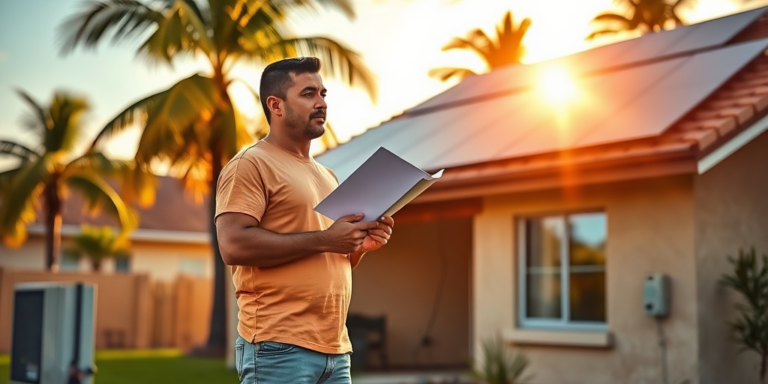
Surprisingly, nearly 50% of homeowners consider switching to solar energy for the long-term savings it offers, but what they don’t realize is that installation mistakes can put those savings in jeopardy. This brings us to our topic today: Don’t Ignore These Critical Solar Panel Installation Mistakes. With solar energy costs declining by over 70% in the last decade (SolarReviews.com) and Florida’s very own sunshine providing an estimated annual solar power capability of about 2,400 hours (NREL.gov), it has become almost irresponsible to overlook the magic that solar technology offers. Yet, as we approach 2025, it is crucial for Florida homeowners to understand why proper installation matters now more than ever. The potential rising energy costs, recent solar incentive programs, and environmental concerns must compel us to act mindfully and avoid avoidable pitfalls that can severely hamper our solar journey.
In this article, we will delve into some alarming mistakes you can’t afford to ignore when installing your solar panels. We’ll explore five critical sections focusing on real-life case studies, a comprehensive checklist, common myths surrounding solar, and a deep dive into Florida’s local context and technical elements. By the end of this guide, you’ll not only recognize what could go wrong but also how to sidestep these issues and maximize your investment. Let’s dive in!
Common Solar Installation Mistakes and How to Avoid Them
One of the first steps in transitioning to solar power is understanding that installation is not a one-size-fits-all approach. Take the case of Sarah, a homeowner in Sarasota who eagerly decided to install solar panels on her roof, driven by enthusiasm rather than education. With the excitement of reducing her electricity bills and fulfilling her dream of an eco-friendly home, Sarah overlooked critical installation details that led to significant issues down the line and expensive repairs.
1. Ignoring Roof Condition: Sarah ignored the state of her roof before installing the panels. A crucial first step is to ensure that your roof is in optimal condition. If your roof needs repairs or replacement, do this before installation. This oversight not only adds unnecessary costs but could also void your warranty.
2. Poor Placement of Panels: Instead of conducting a proper site assessment, her installers placed panels on a shaded portion of the roof. According to data from the SEIA, poorly placed panels can result in up to a 25% drop in energy production. You want to optimize panel orientation for maximum sunlight exposure—ideally, south-facing with no obstructions.
3. Neglecting Permitting and Code Requirements: Florida has specific zoning regulations that must be followed. Skipping or ignoring the permitting process not only delays the installation but can also lead to fines. Work with your installer to ensure compliance. As Florida homeowners, it’s essential to understand local laws to dodge fines and setbacks that could delay your installation.
4. Choosing Low-Quality Equipment: While Sarah opted for cheaper panels, cost isn’t the only factor to consider. Investing in high-quality, reliable solar panels often leads to better long-term savings and performance. Low-quality panels may save you money initially, but could lead to quicker deterioration and replacement costs.
5. Overlooking Maintenance: There is a misconception that once solar panels are installed, they require no maintenance. In reality, your panels will need cleaning and periodic inspections to ensure optimal performance. If not maintained correctly, performance may decrease significantly (DSIREUSA.org).
So as you can see through Sarah’s experience, making the right decisions during your solar installation is crucial. Keep in mind that these mistakes can derail your solar journey and set you back financially, potentially costing you thousands in repairs and lost energy savings.
Essential Checklist for a Successful Solar Installation
Now that we’ve explored common mistakes, it’s time to take a proactive approach. Use this actionable checklist to guide your solar installation process and avoid costly errors:
- Step 1: Conduct a Roof Audit
Before even considering installation, assess your roof’s condition and longevity. Is it structurally sound? If it’s nearing the end of its lifespan, plan for repairs or replacement before adding solar panels. - Step 2: Optimize Panel Placement
Have your solar company conduct a comprehensive site assessment to ensure that panels are placed for optimal sun exposure. Consider shade patterns from trees and nearby buildings. - Step 3: Comply with Local Regulations
Confirm that all permits are acquired and that your installation meets local codes. Consult local resources or your solar installer to remain compliant with Florida’s guidelines. - Step 4: Invest in Quality Equipment
Research reputable solar panel brands and matches them with your unique energy needs. Remember, the cheapest option isn’t always the best in the long run. - Step 5: Plan for Maintenance
Set up a schedule for periodic inspections and cleaning to prevent performance drops. Regular maintenance can help secure your solar investment over the years.
Having this checklist ensures that you stay on track for a smooth and beneficial solar experience. By focusing on these steps, you can be sure not only that the installation is done correctly but also that it aids in maximizing your long-term savings. For additional resources, check out nyelectricandsolar.com.
Myth-Busting Common Misconceptions About Solar Installations
When considering solar energy, misconceptions can cloud judgment and lead potential buyers down a complex path filled with doubts. Let’s debunk some of the most prevalent myths surrounding solar panel installations:
- Myth #1: Solar Panels Don’t Work in Cloudy Weather
Many people believe that solar panels are ineffective without bright sunshine. The truth is that solar panels can still generate energy on overcast days, although at a reduced efficiency. They operate with both direct and diffuse sunlight, which shields them from complete functionality loss. - Myth #2: Solar Energy Is Too Expensive
While initial costs can seem steep, the long-term savings often outweigh these, particularly in states like Florida that offer significant incentives and rebates. According to the SEIA, the cost of solar has plummeted over 70% since 2010. - Myth #3: DIY Solar Installations Are Cheaper
While the notion of self-installing solar panels may seem attractive to save costs, it can lead to inappropriate installations and void warranties. It also bypasses local codes that could result in fines and delayed operations. - Myth #4: All Solar Panels Are the Same
Not all solar panels are created equal. Different panels vary in efficiency, warranties, and power output. Lower efficiency panels end up producing less energy, which can translate to lower savings long-term. - Myth #5: Switching to Solar Means Killing Your Roof
Some homeowners fear that installing solar panels could ruin their roofs or cause leaks. Professional installations, however, are designed to be non-invasive and should not damage your roof if done correctly. In fact, they can increase your property’s value.
By dispelling these myths, you can take a more informed approach to your solar journey. There’s no need to let misconceptions steer you away from enjoying the financial and environmental benefits offered by solar energy.
The Solar Journey of a Florida Homeowner
Understanding the implications of the solar experience can greatly assist potential buyers in Florida as they navigate this landscape. Let’s follow the journey of Alex, a small business owner in Orlando who decided to take the plunge into solar energy.
Initially skeptical, Alex began his solar journey after noticing the substantial savings accrued by a neighboring business that had recently gone solar. It inspired him to explore his own options. His first step? Researching local solar installation companies. After contacting multiple firms, Alex settled on one that specialized in residential and commercial systems, which provided detailed information about equipment, costs, and installation.
- Understanding Financial Incentives:
Alex learned about the federal and state incentives available, such as the Residential Solar Investment Tax Credit, which allows homeowners to deduct a significant percentage of the cost of installing solar from their federal taxes (Energy.gov). - Evaluating Energy Needs:
The installer helped Alex assess his current energy use, identifying the appropriate size of the solar system needed while discussing financing options that would work best for his financial situation. - Installation and Post-Installation:
Once installed, Alex found that the panels significantly reduced his monthly electric bill. He also learned how to monitor system performance via an app, which provided insights into real-time energy production. - Long-Term Gains:
Six months post-installation, Alex’s energy bills had decreased by over 50%. He became passionate about promoting solar energy, educating other business owners about the financial advantages of going solar.
By following Alex’s journey, future solar buyers can see how informed decisions, coupled with local incentives, can transform their solar experience into a profitable adventure. As a Florida homeowner, understanding the environment in which you operate is key to realizing the benefits of solar power.
Next Steps for Florida Solar Buyers in 2025
If you’re ready to embark on your solar journey, here’s a clear action plan that you can follow to ensure a smooth transition to solar power:
- Step 1: Audit Your Electric Bill
Determine how much energy you are consuming each month to decide what size of solar system would serve you best. This energy audit can give you a better picture of your energy usage and needs. - Step 2: Research Solar Providers
Investigate different solar installation companies in Florida. Look for customer reviews, case studies, and credentials to ensure you’re selecting a reputable provider. - Step 3: Understand Financing Options
Review financing choices ranging from outright purchase, loans, or leases, and select what best fits your financial circumstances. Don’t forget to include available tax credits and state incentives in your calculations. - Step 4: Ensure Compliance with Local Regulations
Confirm that your chosen installer adheres to local regulations to avoid future legal troubles. Make sure they handle all necessary permits and involve the local utility in the process. - Step 5: Plan for Maintenance
Schedule regular maintenance checks post-installation to ensure that your solar system runs at peak performance. Address minor issues before they escalate into costly repairs.
Following these steps will simplify the process of switching to solar power and help ease any concerns you may have about the installation. For expert resources and guidance, connect with professionals at nyelectricandsolar.com.
In summary, transitioning to solar energy is an important decision that can impact your finances and environmental footprint. Avoiding installation mistakes is crucial for maximizing your savings and ensuring your investment in solar power pays off for years to come. In 2025, as Florida pushes toward sustainable energy solutions, now is the time to act.
As we’ve seen through the various sections of this article, from understanding common installation mistakes to setting up a detailed action plan, equipping yourself with knowledge is vital. Don’t let misconceptions or lack of preparation hinder your solar journey. By acting wisely, you can enjoy reduced electric bills and contribute positively to a sustainable future.
Ready to start your solar journey in 2025? Connect with a certified expert at nyelectricandsolar.com today.
Related Articles
More insights about Solar Panel

How Many Solar Panels Do You Need in Upstate New York?

Florida Homeowners: Why Solar Panel Maintenance Is Essential

7 Essential Steps for Solar Panel Installation Success
Ready to Go Solar?
Have questions about solar energy? Our experts are here to help you make the switch to clean, renewable energy.