
Don’t Overlook This Critical Warning About Solar Scams to Avoid
Share:
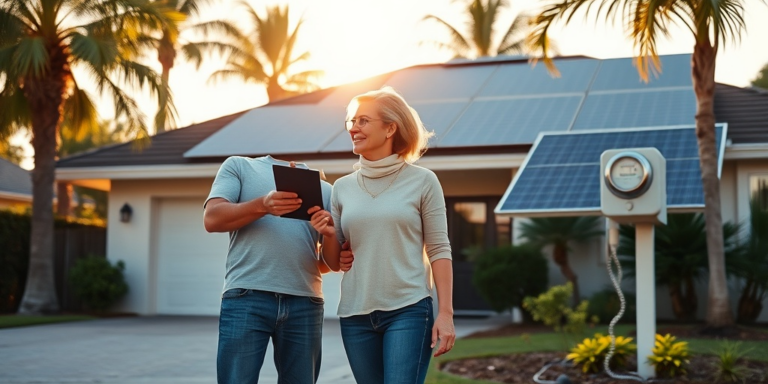
Every year, more Floridians are making the switch to solar power, enticed by the prospect of reducing their electric bills while contributing to a greener future. However, as the demand for solar installations increases, so too does the risk of solar scams. Alarmingly, a recent study shows that nearly 15% of homeowners who obtain solar quotes experience some form of deceptive practice or misrepresentation (SolarReviews.com). This leads to significant financial losses, deterring potential buyers from exploring solar altogether. As we move toward 2025, when federal incentives for solar energy installations are set to change, understanding how to navigate this landscape is crucial. That’s why we’re addressing the critical topic of our article: Don’t Overlook This Critical Warning About Solar Scams to Avoid. In this post, you will learn essential tips on protecting your savings and ensuring your solar panel installation is both legitimate and beneficial.
In this rapidly evolving landscape of solar energy, the stakes have never been higher. With Florida homeowners facing rising electricity costs projected to increase by 10% in the next two years (Energy.gov), it’s essential to discern genuine opportunities from predatory schemes. Throughout this post, we will guide you through a series of sections aimed at enhancing your understanding and safety. Here’s what you can expect:
- Common Solar Scam Tactics: A Deep Dive—an emotionally resonant case study alongside actionable steps to protect yourself.
- Solar Scams: Quick Checklist—a detailed list of important checks before committing to a solar provider.
- Debunking Solar Myths—exposing common misconceptions that could jeopardize your solar journey.
- Florida-Focused Cautions—specific warnings that every Florida homeowner should be aware of.
- The Technology Behind Solar—a thorough analysis to empower you with knowledge about solar installations.
Understanding these points is vital and will significantly shape your solar experience in 2025 and beyond. With that, let’s jump into the first section.
Common Solar Scam Tactics: A Deep Dive
Picture this: John and Sarah, a young couple from Orlando, eagerly sign up for solar panels after reading about the incredible savings potential. They receive several quotes, and one company stands out with an offer that seems too good to be true. Unfortunately, they overlooked critical warning signs, faint whispers of a scam lurking behind the pitch. The couple ended up being victims of a deceptive installation that resulted in subpar equipment and hidden costs that accumulated over time.
While this narrative may sound familiar, it underscores a crucial point: the tactics employed by scammers can be incredibly sophisticated. Here’s a checklist to help you navigate the solar landscape effectively:
- Verify credentials. Always check the licenses and certifications of any solar company. In Florida, installers should be licensed through the Florida Department of Business and Professional Regulation (DBPR).
- Read reviews and testimonials. Look for authentic reviews of the company’s previous work. Trust websites like Better Business Bureau (BBB) or SolarReviews can provide insights from other Florida solar buyers.
- Get multiple quotations. A legitimate solar company should provide comparable quotes that outline equipment quality, installation costs, and ongoing maintenance.
- Be wary of high-pressure sales tactics. Reputable contractors will not rush you. If you’re being pressured to sign a contract on the spot, it’s a red flag.
- Understand your financing options. If an offer involves complicated financing that you don’t fully understand, it’s best to step back and analyze the terms thoroughly.
By taking proactive measures like these, you can create layers of protection that shield your financial investment in sustainable energy.
Solar Scams: Quick Checklist
In the face of overwhelming choices, it’s crucial to streamline your decision-making. Here’s your quick checklist to ensure a smooth solar installation:
- Examine Solar Panel Efficiency Ratings: Pay close attention to the efficiency ratings of the panels you are considering. Panels with higher efficiency often yield better long-term savings, as they convert more sunlight into usable energy.
- Read the Fine Print: Before signing any contract, make sure you thoroughly understand all terms, including warranties, maintenance costs, and payment plans.
- Consult a Local Expert: Consider reaching out to professionals at nyelectricandsolar.com who can offer tailored advice and insights specific to Florida’s solar landscape.
- Understand Incentives: Florida offers numerous incentives for solar installation. Familiarize yourself with these before making decisions to ensure you’re getting the best deal.
- Trust Your Instincts: If something feels off about a company or proposal, don’t hesitate to seek more information. It’s always better to be safe than sorry.
Taking these steps before choosing a solar provider can dramatically affect your overall solar experience—saving you both time and money.
Debunking Solar Myths
In the world of solar energy, misinformation is rampant, but we’re here to clear the air. One of the most dangerous pitfalls of solar adoption is falling victim to common myths. Here are a few misconceptions that might just trip you up:
Myth #1: Solar Panels Are Too Expensive
Many homeowners believe they can’t afford solar. However, with up to 26% federal tax credits available, the initial costs can be significantly reduced, making solar an accessible option.
Myth #2: Solar Power Is Ineffective in Florida
This could not be further from the truth! Florida’s abundant sunshine makes it an optimal state for solar energy production, confirming its reputation as the “Sunshine State.” Around 70% of Floridians live in areas that receive optimal sunlight for solar installations—ideal for capturing solar energy (SEIA.org).
Myth #3: Leasing Solar Panels Is Better Than Buying
While leasing may seem financially appealing, it often leaves homeowners with less equity and no access to available incentives. Owning your system usually saves more money over time.
Myth #4: Solar Batteries Are Unnecessary
While not mandatory, having a solar battery can add another layer of energy security, especially during storms or emergencies. Power outages can be troublesome in Florida, and battery storage provides peace of mind.
Myth #5: Solar Installation Takes Too Long
Modern solar technology allows for relatively fast installations. Many systems can be installed within a few days, ensuring that you won’t be waiting weeks or months before enjoying clean energy.
Understanding the facts behind these myths empowers you to make informed decisions about adopting solar power, aligning with your personal financial goals and sustainable aspirations.
Florida-Focused Cautions
As a Florida homeowner transitioning to solar, it’s essential to navigate local nuances. Here are some specific scams and practices prevalent in Florida:
- Unlicensed Installers: Always opt for licensed contractors. Florida is cracking down on unlicensed installers who can expose you to subpar equipment and installation practices.
- Temporary Offers: Many companies may capitalize on rebates and incentives for a limited time, pushing you to act quickly. Take your time to read all terms before you commit.
- Promised Savings Without Guarantees: Any company that promises unrealistic savings without specifying terms should be approached with caution. Real savings should be tied to realistic production estimates based on your property’s features.
- “Too Good To Be True” Promotions: Beware of companies that offer significant discounts or “free” installations. As the old adage goes, if it sounds too good to be true, it probably is.
- Invisible Fees: Review contracts for charges that may not be clearly stated upfront, like service fees or warranty costs that could outweigh your savings.
By being aware of these Florida-specific traps, you can avoid pitfalls that could derail your solar journey.
The Technology Behind Solar
Understanding solar technology can be your best friend in avoiding scams. As a homeowner, you should know how the system works and what to expect from your set-up. Solar panels convert sunlight directly into electricity, but the systems have many components that work harmoniously, including:
- Solar Panels: These integral pieces of the solar system capture sunlight and transform it into electricity. Panels vary significantly in efficiency and warranty, so doing thorough research here pays off.
- Inverters: An inverter converts the DC electricity produced by the panels into AC electricity that powers your home. There are string inverters and microinverters, each with different benefits and drawbacks.
- Mounting Hardware: Proper installation is critical. A reputable installer will ensure the panels are securely mounted to optimize sunlight capture without risking damage to your roof.
- Energy Storage Systems: Batteries store excess solar energy for use during nighttime or outages. Understanding battery compatibility and efficiency can optimize your energy savings.
- Monitoring Systems: Smart home technology allows you to track your solar energy production in real-time, offering further insight into your energy consumption patterns.
Familiarizing yourself with these components and how they contribute to the energy system can help you question misleading claims about efficiency or costs. Armed with knowledge, financial decisions become more straightforward, and recognizing genuine skills in your installer becomes second nature.
Next Steps for Florida Solar Buyers in 2025
Now that you’ve been educated on the dangers of solar scams and how to avoid them, it’s time to take action! Here’s your easy-to-follow action plan for starting your solar journey:
- Audit Your Electric Bill: Reviewing your past utility bills can give you insights into your consumption patterns. Knowing your average monthly use can help tailor your solar energy needs.
- Research Reputable Installers: Look for licensed contractors with positive reviews. Cross-reference their performance with industry benchmarks to gauge quality.
- Request Multiple Quotes: Don’t settle for the first price you get. Comparisons are critical in understanding the competitive landscape and discerning value.
- Understand Incentives and Grants: Your research should include an exploration of available incentives and loans that could further reduce your costs. Check both federal and state-level programs.
- Make an Educated Decision: Armed with all the information from your research, choose a solar solution that optimally meets your needs. Trust your instincts—if it feels wrong, consider backing out.
Getting the right information equips you to make sound decisions that will affect your savings and comfort for many years. For further guidance, consider speaking with professionals at nyelectricandsolar.com.
In conclusion, as the Florida solar market continues to evolve through 2025, the potential for saving on energy bills remains immense. However, so too does the need for vigilance against scams. Our journey has highlighted the important steps to avoid nefarious practices, understand legitimate solar technology, and make sound choices that will benefit not just you but also the planet.
Don’t let the fear of scams deter you from the incredible potential of solar energy. Empower yourself with knowledge and cautious curiosity, ensuring that you benefit from every ray of sunshine streaming onto your property. You are destined for a brighter, more sustainable future.
Ready to start your solar journey in 2025? Connect with a certified expert at nyelectricandsolar.com today.
Related Articles
More insights about Solar Scams

Warning: Don’t Overlook These Solar Scams to Avoid

Don’t Miss This Critical Alert About Solar Scams

Don’t Ignore These Critical Solar Scams to Avoid
Ready to Go Solar?
Have questions about solar energy? Our experts are here to help you make the switch to clean, renewable energy.