
Expert Insight: Key Factors Influencing Solar Panel Lifespan
Share:
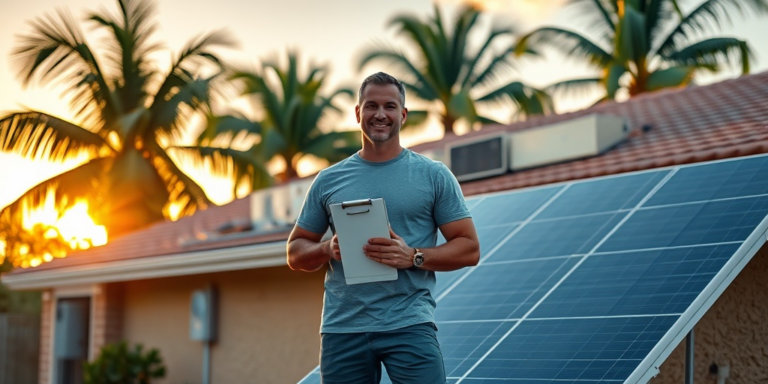
Did you know that solar panels can last well over 25 years? In fact, studies show that the average lifespan of a solar system in the U.S. can exceed three decades. As Florida’s sun shines bright and electric bills climb, understanding solar technology is more pressing than ever. Fortunately, in our article titled “Expert Insight: Key Factors Influencing Solar Panel Lifespan,” we’ll explore climate impact, material quality, installation processes, and more to ensure you’re well-informed. Did you know that as of 2023, over 23% of Floridians have embraced solar energy, marking a significant shift toward renewable sources (SolarReviews.com)? With escalating energy costs and increasing focus on sustainable energy solutions in 2025, diving deep into these factors becomes vital. So, let’s embark on this enlightening journey together, previewing key sections like the emotional story of a Florida homeowner, actionable tips for assessing installation quality, common myths busted, local Florida insights, and essential steps for your solar transition.
Understanding the Lifespan of Solar Panels: A Deep Dive
Every homeowner dreaming of solar power wants their investment to last as long as possible, especially in sunshine-drenched Florida. To truly grasp how to maximize longevity, we can explore a hypothetical yet realistic case study of homeowners, The Johnsons, who decided to install solar panels on their St. Petersburg home.
The Johnsons did extensive research before investing. They learned that the factors influencing solar panel lifespan include climate, quality of materials, installation techniques, and maintenance practices. With Florida’s humid and often stormy weather, they realized they needed to prioritize durability in their choice of solar panels.
Case Study: The Johnsons’ Journey
After thorough evaluation, the Johnsons opted for high-quality photovoltaic (PV) panels rated for extended performance under harsh conditions. These panels featured robust frames designed to withstand wind loads—an essential factor considering Florida’s hurricane season. The couple proudly installed their solar system, expecting significant energy savings and an extended panel lifespan exceeding 30 years.
According to the National Renewable Energy Laboratory (NREL), quality panels backed by a strong warranty can maintain at least 80% of their efficiency after 25 years (NREL.gov). The Johnsons are among the many Florida homeowners seeking assurance when committing to solar, knowing that proper installations lead to better performance and longer life for their systems. They had taken an essential first step toward energy independence.
Actionable Checklist for Solar Panel Lifespan
- Consider Climate Factors: In Florida, heat and humidity can wear down equipment. Choose panels that can withstand these conditions.
- Select Quality Materials: Invest in durable panels and components, particularly those with robust warranties.
- Hire Experienced Installers: Ensure that qualified professionals handle the installation; poor installation can drastically affect lifespan.
- Schedule Regular Maintenance: Periodic checks can catch issues early and maintain system efficiency.
- Monitor Efficiency Levels: Keep an eye on performance metrics to ensure your system operates optimally.
Myth #1: Solar Panels Can’t Handle Extreme Weather
Contrary to popular belief, many solar panels are engineered specifically to endure extreme weather conditions. For instance, panels are rigorously tested to ensure durability against impact and moisture intrusion.
Myth #2: All Solar Panels are the Same
Quality varies significantly. The materials used, like monocrystalline versus polycrystalline silicon, affect longevity and efficiency rates, with monocrystalline typically lasting longer.
Myth #3: Once Installed, Solar Panels Require No Attention
Regular maintenance helps prolong panel life, ensuring all components function effectively and efficiently.
Local Focus: Florida-Specific Solar Data
Florida boasts over 140,000 solar installations statewide (SEIA.org), and the warm climate is ideal for maintaining solar energy production, making it imperative to choose long-lasting technologies to maximize your investment.
Technical Deep-Dive: How Installation Affects Lifespan
The installation process plays a pivotal role in determining how long your solar system will last. Proper installation involves precise adjustments for roof angles, optimal placement, and thorough sealing against weather elements. Understanding electrical connections’ integrity can mean the difference between a system lasting 25 years or failing much sooner. Poor installation is among the leading causes of premature solar panel failure.
As the sun sets on the Johnsons’ successful journey, it signifies just the beginning for anyone considering solar energy in Florida. With a robust understanding of these essential elements that influence solar panel lifespan, homeowners are better equipped to make informed decisions for their future.
Key Factors to Maximize Solar Panel Lifespan
To thrive in the solar world, Florida homeowners must embrace essential practices to ensure their solar panels endure beyond the average lifespan. Here are several critical factors to consider:
- Module Quality: Choose panels from reputable manufacturers with proven longevity records.
- Installation Technique: Select experienced installers familiar with Florida’s specific environmental challenges.
- Site Assessment: Analyze your roof’s orientation and shade coverage thoroughly before installation.
- Climate Considerations: Factor in Florida’s humidity and storm potential to select appropriate durability specs.
Fact #1: Solar manufacturers are now offering warranties ranging from 25–30 years, indicating confidence in their product durability (Energy.gov).
Fact #2: The highest quality solar panels can operate efficiently over time, keeping more than 80% of their capacity after decades, which can lead to substantial savings on electric bills (SolarReviews.com).
In the end, understanding how these factors connect to panel lifespan allows Florida homeowners to reap the benefits of a sustainable investment. The steps and insights provided aim to clarify what’s needed for solar longevity and efficiency. For a more tailored approach, expert consultation can be invaluable, helping you navigate installation preferences while capitalizing on official incentives.
Discover more on installation best practices at nyelectricandsolar.com.
5 Expert Solar Installation Tips for 2025
Transitioning to solar energy isn’t just about choosing a product; it’s ensuring your installation aligns with expectations. As Florida homeowners gear up, here are five practical tips to guarantee optimal results:
- Evaluate Your Roof: Ensure a solid and suitable roof structure before installation. Consider lifespan and materials; repairs can sometimes lead to additional costs post-installation.
- Smart Placement: Positioning panels for maximum sunlight exposure is essential. Install away from obstructions like trees or chimneys.
- Look for Licensing: Work with licensed and insured contractors to safeguard against faulty installations.
- Ask for References: Seek out previous customer experiences to gauge satisfaction and outcomes.
- Explore Maintenance Programs: Opt for companies offering maintenance plans, reducing the effort needed to maintain your system’s health.
By using these tips, you’ll position yourself for success and longevity from day one of your solar journey. State incentives often help offset installation costs significantly, ensuring an excellent return on investment.
Refer to solar system assessment best practices at nyelectricandsolar.com.
The Solar Journey of a Local Florida Family
Let’s take a closer look at the Ramirez family, who made the leap into solar energy last year in Tampa. They faced high energy bills due to rising electricity rates. Despite initial hesitations, they took the plunge, encouraged by available state incentives and a local tax break for green improvements.
They partnered with a trusted solar installation company after attending local workshops on solar benefits. Educating themselves on the importance of panel quality helped them choose highly-rated technology that could thrive in their humid climate. Fast forward to today, the family has not only enjoyed a sheer drop in their energy costs, but they also feel a sense of pride in contributing to a sustainable future.
The Ramirez family undertook a short list of steps as they prepared for solar, which included:
- Understanding Energy Needs: They closely analyzed their monthly energy usage.
- Consulting Experts: Engaged with professionals to help design an energy-efficient solar system tailored to their needs.
- Choosing Quality Materials: Selected high-performance panels known for their reliability over the long term.
- Scheduling Regular System Checks: They commit to regular system inspections to ensure everything runs smoothly.
Statistics support their experience, showing that nearly half of all solar installations in Florida report reduced bills of over 50% (DSIREUSA.org). The Ramirez family’s success story exemplifies the benefits of high-quality installations and proactive maintenance leading to enhanced longevity.
They now exemplify a thriving community energy model, inspiring their neighbors to explore this option as well. It demonstrates how Florida homeowners should seek personalized solutions to take full advantage of the advantages solar power offers in our sunny state.
Next Steps for Florida Solar Buyers in 2025
As you contemplate making the switch to solar, it’s crucial to approach this decision methodically. Here’s an actionable checklist that will guide you through the important steps for 2025:
- Audit Your Electric Bill: Identify rates, peak usage times, and compile your historical energy costs. This data will guide your solar requirements.
- Research Local Incentives: Determine available tax breaks, rebates, and state programs that can ease initial costs.
- Schedule Consultations: Talk to multiple solar providers, compare offerings and understand warranties before making a decision.
- Engage in Community Learning: Attend local informational meetings or solar workshops as a basis for networking and gaining knowledge.
- Implement Maintenance Planning: Decide on whether you will perform maintenance yourself or if you will engage a provider post-installation.
Each of these steps paves the way toward a successful solar journey and long-term savings on energy expenses. It’s essential not to rush; take the time to ensure you’re making the best choices for your household’s energy future.
Find more resources on effective solar planning at nyelectricandsolar.com.
Conclusion
In summary, investing in solar panels is a commitment to your home’s future, both environmentally and financially. With the insights gained from the key factors influencing solar panel lifespan, your decision is now rooted in knowledge and practical steps. Understanding how climate, materials, and installation practices impact performance can set the stage for a resilient solar system. From the inspiring journey of Florida families like the Johnsons and the Ramirezes to the actionable tips we explored, your venture into solar energy can yield significant benefits.
As electric costs continue to rise and renewable energy becomes a growing priority in 2025, now is the time to take the leap. This isn’t just about financial savings; it’s about securing a sustainable future for your children, your community, and the environment. Together with Florida Electric & Solar, the journey toward energy independence and financial savings begins today.
Ready to start your solar journey in 2025? Connect with a certified expert at nyelectricandsolar.com today.
Related Articles
More insights about Solar Panel

How Many Solar Panels Do You Need in Upstate New York?

Florida Homeowners: Why Solar Panel Maintenance Is Essential

7 Essential Steps for Solar Panel Installation Success
Ready to Go Solar?
Have questions about solar energy? Our experts are here to help you make the switch to clean, renewable energy.