
Expert Insight: Unlocking the Secrets of Solar Panel Installation
Share:
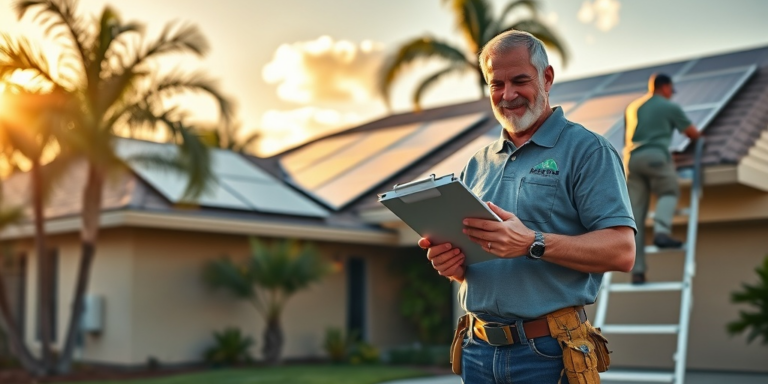
As energy prices in Florida continue to soar—rising over 11% in the last year alone—the urgency for homeowners and businesses to explore alternatives has never been greater. According to the Solar Energy Industries Association, Florida ranks third in the nation for installed solar capacity, showcasing a rapidly growing demand for solar solutions. With electric bills showing no sign of stabilizing, the power to cut costs while promoting environmental sustainability is becoming an increasingly attractive option. In this blog post titled “Expert Insight: Unlocking the Secrets of Solar Panel Installation”, we will delve deep into the nuances of solar panel installation, arming you with expert insights that illuminate how smart decisions can lead to substantial savings on utility bills today and for years to come.
In 2025, this urgency is amplified. The new federal solar tax credit not only offers financial incentives, but many Florida homeowners can also benefit from local rebates and incentives that further reduce costs. Understanding the intricacies of these policies, the technology behind solar panels, and the installation process can make a profound difference in your journey toward energy independence. In the sections that follow, we will explore compelling case studies, actionable checklists, common myths, local insights, and the technical aspects that contribute to successful solar projects.
Let’s embark on this enlightening journey through solar energy effective for Florida homeowners by revealing the hidden secrets of solar panel installation!
Section 1: Navigating the Solar Landscape with Real Stories
Imagine the Johnson family, who decided to go solar after witnessing their monthly electric bill spike to over $300 during a scorching Florida summer. Initially skeptical, they researched their options and discovered that investing in solar panels could not only reduce their electric bills but also enhance their home’s value. This journey is not just theirs; it reflects a trend seen throughout Florida.
In a study released by the Florida Solar Energy Center, homes equipped with solar panels sold for approximately 4% more than similar homes without them—a potential game-changer for homeowners considering an upgrade. Here, we break down their journey into actionable steps based on expert recommendations and data.
- Step 1: Assess Your Energy Needs – To begin, the Johnsons evaluated their past energy usage against their future needs, allowing them to size their solar array adequately.
- Step 2: Research Local Incentives – The family consulted Florida’s Department of Agriculture and Consumer Services to uncover energy rebates and state tax credits to lower installation costs.
- Step 3: Choose the Right Installer – After collecting quotes, the Johnsons chose a licensed installer baring the North American Board of Certified Energy Practitioners (NABCEP) certification, ensuring quality work.
- Step 4: Understand Technology Options – They explored various panel types, weighing factors like efficiency, durability, and warranty lengths to select the best system for their needs.
- Step 5: Monitor Long-Term Performance – After installation, they regularly check their energy production against bills, ensuring they maximize their savings over time.
This case study exemplifies how Florida homeowners can take ownership of their energy future by understanding essential installation factors. However, several myths about solar still cloud public perception, warranting a closer look.
Myth-Busters: Debunking Common Misconceptions
One of the biggest barriers to embracing solar power is misinformation. Let’s address some common myths with facts rooted in reality.
- Myth #1: Solar Panels Are Too Expensive – In reality, prices have decreased by about 80% over the past decade, making solar more accessible than ever (NREL.gov).
- Myth #2: Solar Only Works in Sunny Climates – Even in cloudy conditions, solar panels can generate electricity. Studies show that solar systems can be effective with as little as four hours of direct sun per day.
- Myth #3: Maintenance is Complicated – Most solar systems require minimal maintenance, with annual inspections often sufficient to ensure optimal performance.
These debunked myths demonstrate that understanding solar technology is crucial for intelligent investment decisions. For Florida, recent data indicates that approximately 50% of homeowners considering solar do so for environmental reasons, suggesting an increasing awareness of its benefits. To further emphasize local relevance, let’s discuss some unique opportunities available specifically for Floridian homeowners.
Local Focus: Solar Incentives and Policies in Florida
Florida boasts a wealth of programs designed to make solar energy more attainable. The state has implemented various initiatives to promote renewable energy, including the Solar Energy System Incentives Program and Property Assessed Clean Energy (PACE) financing options, allowing homeowners to cover installation costs over time.
- Solar Rebates: Many counties in Florida offer rebates for solar installations, significantly reducing out-of-pocket costs.
- Net Metering: Florida homeowners can sell excess energy back to the grid, offsetting their electricity bills even further.
- Property Tax Exemptions: Solar installations do not increase a property’s assessed value, providing added financial relief down the line.
With these local incentives at play, Florida homeowners can embrace solar energy with confidence, knowing that they are not only making a smart financial decision but also contributing to a sustainable future for generations to come. Now, let’s dive into the technical aspects that can maximize the efficiency and effectiveness of solar panel installations.
Technical Deep-Dive: Understanding Solar Technology
When considering solar energy systems, understanding the technology behind them is essential for making informed decisions. Most solar power systems consist of several key components: solar panels, inverters, battery storage, and mounting systems.
- Solar Panels: They convert sunlight into electricity. Common types include monocrystalline, polycrystalline, and thin-film, each with unique efficiencies and costs.
- Inverters: Essential for converting the direct current (DC) generated by solar panels into alternating current (AC) that powers your home.
- Battery Storage: While optional, battery systems allow homeowners to store excess energy for use during cloudy periods or at night, enhancing energy independence.
Understanding these technologies helps homeowners evaluate which options will work best for their energy needs and budget. Installing a system with high-quality components—backed by sufficient warranties—is crucial for ensuring optimal performance over the years. In a market where innovation drives enhancements, it’s vital to stay informed about new products and technological advancements.
Next Steps for Florida Solar Buyers in 2025
As you consider your solar journey, having an action plan can significantly streamline the process. Here’s a concise checklist to guide you through each step of your solar installation.
- Step 1: Audit Your Electric Bill – Understand your energy usage and determine how much you could save by switching to solar.
- Step 2: Assess Your Property – Examine your roof and land for solar suitability, including orientation, shading, and space.
- Step 3: Explore Financing Options – Research various financing methods including loans, leases, and power purchase agreements (PPAs).
- Step 4: Get Multiple Quotes – Reach out to several certified installers to compare pricing and offerings effectively.
- Step 5: Read Customer Reviews – Investigate the reputation of your chosen installer through reviews and testimonials to ensure quality work.
This action plan provides a roadmap toward making a successful transition to solar energy. The journey to energy independence can be complex, but by taking informed steps, you can set yourself up for success. For help navigating these steps or to learn more about your options, visit nyelectricandsolar.com.
Conclusion: Your Solar Future Awaits
In summary, transitioning to solar energy in Florida encompasses a blend of informed decision-making, understanding the technology and policies at play, and an open mind to dispel common misconceptions. Each section of this post has illuminated a unique aspect of the solar landscape, equipping you with the knowledge necessary for a successful solar journey. Looking ahead to 2025, the importance of making a switch to solar power becomes increasingly critical as energy prices rise and the call for sustainable living intensifies.
Your family deserves the peace of mind that comes with energy independence, financial savings, and a commitment to a cleaner environment. Now is the time to embrace solar energy and all its transformative benefits. Are you ready to start your solar journey in 2025? Connect with a certified expert at nyelectricandsolar.com today.
Related Articles
More insights about Solar Panel

How Many Solar Panels Do You Need in Upstate New York?

Florida Homeowners: Why Solar Panel Maintenance Is Essential

7 Essential Steps for Solar Panel Installation Success
Ready to Go Solar?
Have questions about solar energy? Our experts are here to help you make the switch to clean, renewable energy.