
Expert Insights on Solar Panel Installation for Energy Independence
Share:
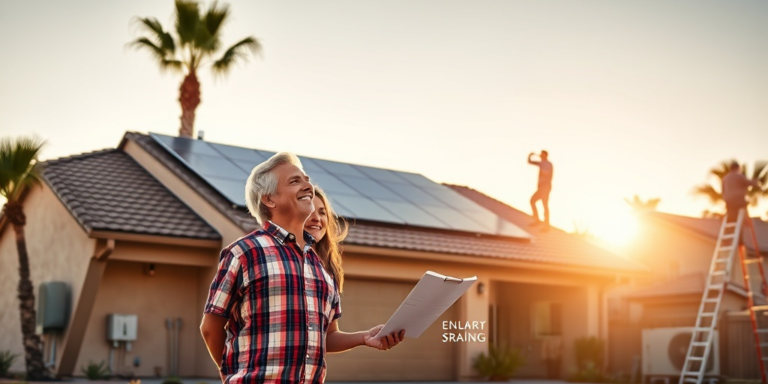
In Florida, the sun shines an average of 237 days a year, making it a prime location for harnessing the power of solar energy. Did you know that transitioning to solar power can save homeowners up to $30,000 over the lifetime of their solar panels? With rising energy costs expected to increase by 7% annually (Energy.gov), now more than ever, Florida homeowners are seeking energy independence. This article, titled Expert Insights on Solar Panel Installation for Energy Independence, aims to guide you through crucial aspects that will impact your energy savings and efficiency today! With new incentives on the horizon and homeowners becoming increasingly aware of grid instability, 2025 is poised to be a game-changing year for solar adoption in the Sunshine State. As we explore this transformative journey, we’ll cover five critical sections: an emotionally compelling case study, a comprehensive checklist for installation, myth-busting common misconceptions, a local focus on Florida-specific advantages, and a deep dive into the technical aspects of solar systems.
1. An Emotional Journey Towards Energy Independence
Picture this: Sarah, a single mother living in Tampa, was struggling to pay her electric bills each month. With summer heat making air conditioning a necessity, her bills surged to unsustainable heights, averaging $300 per month. After learning about solar energy, she resolved to explore its potential not just for cost savings, but for achieving energy independence. This story mirrors that of many Florida homeowners who are discovering their power to control their energy choices.
When Sarah contacted Florida Electric & Solar, she learned about available federal tax credits, which can cover up to 26% of the installation costs (SEIA.org). With the rising costs of electricity projected to increase and hampered by the fluctuation of fuel prices, Sarah realized that investing in solar was not just an option—it was a necessity. Upon installing a solar panel system, her initial investment quickly began paying off. Within a few years, her expenses dropped significantly, and she felt empowered knowing she had significantly reduced her carbon footprint.
The journey to energy independence starts with awareness and commitment. As depicted through Sarah’s story, transitioning to solar means not only empowering oneself but also contributing to the well-being of our planet. In 2025, taking the leap into solar energy will be more imperative than ever as we adapt to financial pressures and strive for sustainability.
Here’s a checklist to ensure a smooth installation process:
- Understand Your Energy Needs: Start with an audit of your energy consumption and goals.
- Research Solar Options: Familiarize yourself with available energy storage systems and panels.
- Consult with Experts: Having professionals assess your property is crucial.
- Check for Local Incentives: Look into state and federal rebates that will lower your initial investment.
- Select a Reliable Installer: Choose a certified solar company with a strong reputation, such as Florida Electric & Solar.
2. Your Step-by-Step Guide to Solar Panel Installation
Embarking on the solar journey can seem daunting, but having a clear roadmap makes the path ahead manageable and fruitful. Follow this foolproof checklist for your solar panel installation in 2025:
- Step 1: Conduct an Energy Audit
Your first step is to analyze your current energy usage. This will inform you of the system size you need to meet your energy demands efficiently. Consult your utility bills to understand your monthly consumption patterns. Seeking professional help can also add value here as they can provide insights on optimizing your usage.
- Step 2: Explore Solar Financing Options
Solar energy systems can represent a significant investment, but fortunately, there are a variety of financing solutions available. Options include solar loans, power purchase agreements (PPAs), and leasing. Investigate which option aligns best with your financial situation to maximize your return on investment.
- Step 3: Select the Optimal Solar System
You’ll need to decide on your solar technology—whether it’s traditional photovoltaic panels or cutting-edge solar shingles. Each option comes with varying costs and efficiency profiles. An expert installer can help you evaluate your choices comprehensively.
- Step 4: Installation and Inspection
Once you have selected an installer, the installation begins. A typical installation takes about 1-3 days, including site preparations and mounting your solar panels. After installation, an inspection by your local utility ensures the system meets all safety regulations.
- Step 5: Activate Your System
Upon passing inspection, your grid-tied solar system can be activated. Monitoring performance through online platforms ensures your investment is operating at peak efficiency. This can also alert you to any maintenance needs before they escalate.
By following these steps, Florida homeowners can make informed decisions and experience the life-changing benefits of solar energy firsthand.
3. Myth-Busting Common Misconceptions About Solar Energy
Despite the rising popularity of solar energy, numerous myths persist, shocking many homeowners into believing alternative options are better. Let’s debunk these misconceptions:
- Myth #1: Solar Panels Are Too Expensive – While the upfront cost can be significant, state and federal incentives significantly reduce initial investments. In fact, homeowners can expect great returns over a 25-year lifespan (NREL.gov).
- Myth #2: Solar Panels Don’t Work in Cloudy Weather – Solar technology converts sunlight, but even on overcast days, panels can still produce energy. In reality, panels can operate at efficiency levels of 25-50% during cloudy weather.
- Myth #3: Solar Panels Require Constant Maintenance – Solar systems require minimal maintenance, mainly periodic cleaning and yearly check-ups (SolarReviews.com).
- Myth #4: You Can’t Go Solar if You Live in a HOA Community – Many Homeowners Association (HOA) communities allow residents to install solar panels, provided they follow specific guidelines. Always check with your local codes and HOA policies.
- Myth #5: Solar Power Storage is That Inefficient – Battery technology has made significant strides over the years. Modern systems can store up to 90% of generated power, ensuring you have energy even at night or during outages.
Addressing these myths directly dispels doubts among Florida homeowners, reassuring them as they contemplate transitioning towards sustainable solutions.
4. Florida-Specific Focus on Solar Benefits
Florida stands out nationally in solar energy production, largely due to the state’s abundant sunshine. Here are key reasons specific to Florida that make going solar a prudent choice:
- Favorable Solar Incentives: Florida provides a 100% state sales tax exemption on solar panel systems, along with property tax exemptions. Therefore, solar upgrades increase home value without raising tax burdens.
- Net Metering Program: Under Florida law, residents who install solar energy systems can benefit from net metering, enabling users to sell excess energy back to the grid, thus potentially offsetting energy costs.
- High Electricity Rates: As of 2023, Florida’s average residential electricity rate stands at 13.21 cents per kWh (EIA.gov), meaning homeowners can experience substantial savings through solar installation.
- Local Job Growth: The solar industry is continuously creating jobs. With over 11,500 Floridians working in the solar sector (Solar Foundation), going solar not only benefits you but also fuels the local economy.
Considering these unique aspects, it’s clear that Florida homeowners have much to gain by adopting solar solutions and contributing to a sustainable future.
5. Action Plan: Next Steps for Florida Solar Buyers in 2025
Now that you’re educated about the solar panel installation process and know the benefits relevant to Florida homeowners, here’s an actionable plan to put your goals into practice:
- Step 1: Audit Your Electric Bill – Understand your energy usage over the past year, as this data will assist you in selecting the right solar energy system tailored to your needs.
- Step 2: Research Your Financing Options – Explore the various financing methods available to you, weighing benefits and costs against long-term savings.
- Step 3: Schedule Consultations – Engage with solar companies like Florida Electric & Solar to get estimates and understand your options specifically tailored to your home.
- Step 4: Review Installation Agreements – Carefully review all the terms and conditions before signing the installation agreements to avoid any hidden fees or unexpected obligations.
- Step 5: Celebrate Your Solar Installation – Once your solar panels are up, take a moment to rejoice in your achievement! You’re now on the path to energy independence and sustainability.
Adopting solar energy isn’t just a financial decision; it’s a step towards a brighter, cleaner future. With the right knowledge, planning, and community support, thousands of Florida homeowners are making the transition to solar power every year. By following these steps, you are investing not just in renewable energy, but in your family’s financial security and environmental impact.
In conclusion, making the choice to install solar panels is transformative. You now understand the urgency for adopting solar solutions in 2025 amidst rising costs and emerging technologies that favor solar power. Whether through Sarah’s saved money, energy independence, or contributions to a sustainable future, each story reflects the positive impact of going solar. Ready to start your solar journey in 2025? Connect with a certified expert at nyelectricandsolar.com today.
Related Articles
More insights about Solar Panel

How Many Solar Panels Do You Need in Upstate New York?

Florida Homeowners: Why Solar Panel Maintenance Is Essential

7 Essential Steps for Solar Panel Installation Success
Ready to Go Solar?
Have questions about solar energy? Our experts are here to help you make the switch to clean, renewable energy.