
How Florida Homeowners Can Benefit from Solar Panel Lifespan
Share:
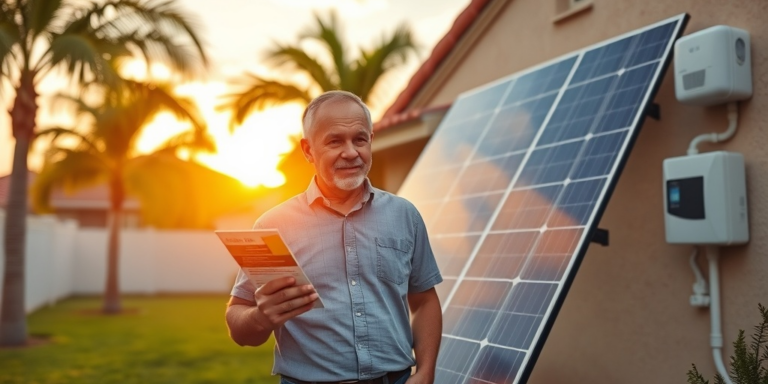
Did you know that the average lifespan of solar panels can exceed 25 years? Many Florida homeowners are unaware of the substantial savings they can realize over that time. When you consider the potential energy independence that solar power offers, coupled with the rapidly rising utility rates, it’s no wonder more Floridians are exploring solar solutions. In fact, Florida ranks among the top states in terms of solar installations, thanks to ample sunlight and state incentives designed to make transitioning to renewable energy easier than ever (SEIA.org). This blog, entitled How Florida Homeowners Can Benefit from Solar Panel Lifespan, delves into the benefits of investing in solar, focusing on the long-term advantages that arise from understanding solar panel lifespan.
As we head into 2025, the urgency surrounding solar energy adoption intensifies. Homeowners are feeling the pinch from escalating energy costs and increasingly unstable energy grids, making the prospect of self-generating power through solar systems not just appealing but necessary. Understanding how long solar panels last and how those services translate into savings can empower Florida homeowners to make informed decisions. In this comprehensive guide, we’ll explore five critical sections:
- A Deep Dive into Solar Panel Lifespan
- Your Solar Installation Checklist
- Myths About Solar Lifespan Debunked
- Solar Insights Specific to Florida
- A Technical Deep Dive into Solar Technology
Equipped with knowledge about solar panel lifespan, homeowners can maximize their savings and secure their energy future. Let’s dive in!
How Florida Homeowners Can Benefit from Solar Panel Lifespan
Meet Lisa, a homeowner in Palm Beach County. Four years ago, she faced ever-increasing electricity bills and the frustration of utility companies’ unpredictable rate hikes. After thorough research, Lisa took the leap and installed solar panels on her roof. The initial expense was daunting, but she maximized her savings in ways she had never anticipated. Today, her panels are producing energy efficiently, offsetting 80% of her electrical needs.
First and foremost, Lisa learned that the average solar panel could last between 25 to 30 years, with many manufacturers offering warranties up to 25 years (SolarReviews.com). This longevity is crucial; the longer the panels last, the greater the return on investment. With the right maintenance and care, Lisa ensures her solar system operates at peak efficiency, translating into significant savings each month.
As a border state along the Atlantic Ocean, Florida benefits from abundant sunlight, meaning solar panels can produce their highest yield. To understand the implications of this lifespan, let’s break them down with a checklist of actionable steps for homeowners looking to install solar, ensuring you benefit from these systems:
- Conduct a Home Energy Audit: Understanding your current power usage helps you determine the size and number of solar panels you need.
- Research Financing Options: Explore state incentives and financing plans available to maximize affordability.
- Select a Certified Installer: Always choose reputable companies with positive reviews in solar installation.
- Check the Warranty: Manufacturers often provide warranties that affect your panel’s longevity. Aim for at least a 25-year warranty.
- Plan for Maintenance: Regular checks can prolong the lifespan of your solar panels. Be proactive in maintenance.
These actionable steps are what empower homeowners like Lisa to take charge of their energy future. But what about common myths surrounding solar panel lifespan? Let’s tackle some of those misconceptions to further clarify the benefits of solar energy.
Myths About Solar Lifespan Debunked
As more Florida homeowners consider solar energy, some misunderstandings about solar panel lifespan persist. Many believe these myths can deter them from making the switch. Let’s examine a few of the most prevalent myths:
- Myth #1: Solar Panels Break Easily—In reality, solar panels are designed for durability, with most able to withstand extreme weather conditions. Rigorous testing shows panels can endure hail, high winds, and heavy precipitation.
- Myth #2: Solar Panels Are Old-Fashioned—With the rapid advancements in solar technology, panels are more efficient than ever. Modern panels produce more energy in less space.
- Myth #3: Solar Panels Require Constant Replacement—Most panels come with warranties lasting 25 years, with many continuing to function beyond that timeline with only minor efficiency loss.
- Myth #4: Solar Equals High Maintenance Costs—In fact, solar panels are relatively low maintenance, requiring basic cleaning every few months to remove debris and ensure maximum efficiency.
- Myth #5: You Can’t Install Solar in Florida Due to Hurricane Risks—Florida has stringent building codes and solar panel installations are subject to strict construction standards designed for wind resistance.
This myth-busting section is crucial because flattening barriers in perception can encourage more homeowners to embrace sustainability. Now let’s focus on manufactured energy savings through an in-depth analysis of the solar market in Florida.
Local Focus: Florida-Specific Opportunities and Challenges
Florida holds unique opportunities for homeowners considering solar panel investments. According to the Florida Solar Energy Industry Association, the Sunshine State has seen a growth rate of over 50% in solar installations the last few years (FlaSEIA.com). This fact highlights the growing awareness and advantages of going solar in 2025. Furthermore, the state’s generous net metering policy allows homeowners to sell excess energy back to the grid, amplifying financial benefits.
However, Florida homeowners should also be aware of challenges. For example, parts of the state face utility monopolies that could affect competition among solar providers. Understanding these local regulations can empower homeowners in their decisions. Here are four critical insights to consider when opting for solar in Florida:
- Understand state regulations on net metering, which can significantly impact your savings.
- Explore local incentives available for solar installation unique to Florida homeowners.
- Get familiar with property tax exemptions for renewable energy systems.
- Stay informed about utility updates, as policies can shift, impacting solar returns.
These insights emphasize the importance of localized knowledge when venturing into solar energy in Florida. To ensure long-term benefits, let’s take a technical deep dive into the specifics of solar energy systems and their influence on cost, efficiency, and longevity.
A Technical Deep Dive into Solar Technology
Understanding the technology behind solar panels gives homeowners valuable insights into their function and lifespan. Solar panels convert sunlight into electricity through photovoltaic cells. Typically made of silicon, they absorb photons from sunlight. Once absorbed, the energy excites electrons, generating electrical current.
Not only is the manufacturing quality of solar panels crucial, but the installation process also significantly affects performance. Panels improperly aligned or shaded can drastically reduce efficiency. Homeowners in Florida should take note that appropriate placement and orientation can lead to maximized solar production and longevity.
- Efficiency Ratings: Look for solar panels with higher efficiencies (typically 18-22%). Higher-efficiency panels need less space for the same output.
- Inverter Quality: The inverter is key in converting direct current (DC) to alternating current (AC). Opt for top-rated inverters that enhance panel efficiency.
- Energy Storage: Batteries allow homeowners to store excess energy generated during peak sunlight hours for later use, ensuring energy independence.
The importance of maintenance cannot be overstated: regular checks will uncover issues before they translate into greater failures, preserving the lifespan of your panels. According to industry surveys, systems that regularly undergo maintenance experience a reduction in efficiency loss throughout their life span by up to 15% (Energy.gov). This adds up to significant savings over the long haul.
Next Steps for Florida Solar Buyers in 2025
As we segue into the final section of our discussion, it is vital to lay out actionable steps for Florida homeowners who are eager to embrace solar energy. Getting started on this journey doesn’t have to be intimidating. Follow these steps to maximize your experience and savings:
- Step 1: Audit Your Electric Bill: Familiarize yourself with your energy consumption and costs to better gauge how solar panels can benefit you.
- Step 2: Research Solar Options: Take time to compare solar providers, their warranties, and client reviews.
- Step 3: Connect with Solar Experts: Consult professionals who can tailor options to meet both your energy needs and budget.
- Step 4: Examine Financial Plans: Look into financing options that allow a manageable payment for your new solar installation.
- Step 5: Plan for the Future: Be aware of the evolving policies and technologies in the solar landscape to ensure sustained benefits.
These steps aim to empower individuals to make well-informed decisions regarding solar investments. Now that you have all the tools to understand how solar panel lifespan impacts your savings, let’s recap the importance of this transition.
As we conclude our deep dive into solar energy, it becomes clear that understanding the lifespan of solar panels is instrumental in realizing both immediate and long-term monetary benefits. Homeowners like Lisa have successfully cut their bills by embracing this sustainable energy. The time to act is now; don’t allow rising energy costs and grid instability to dictate your future. Harnessing solar energy is not just an environmentally friendly choice; it’s a smart economic one as well. By investing in a solar system today, you are investing in a sustainable and efficient future for your family and community.
Ready to start your solar journey in 2025? Connect with a certified expert at nyelectricandsolar.com today.
Related Articles
More insights about Solar Panel

How Many Solar Panels Do You Need in Upstate New York?

Florida Homeowners: Why Solar Panel Maintenance Is Essential

7 Essential Steps for Solar Panel Installation Success
Ready to Go Solar?
Have questions about solar energy? Our experts are here to help you make the switch to clean, renewable energy.