
What Florida Homeowners Should Know About Solar Scams
Share:
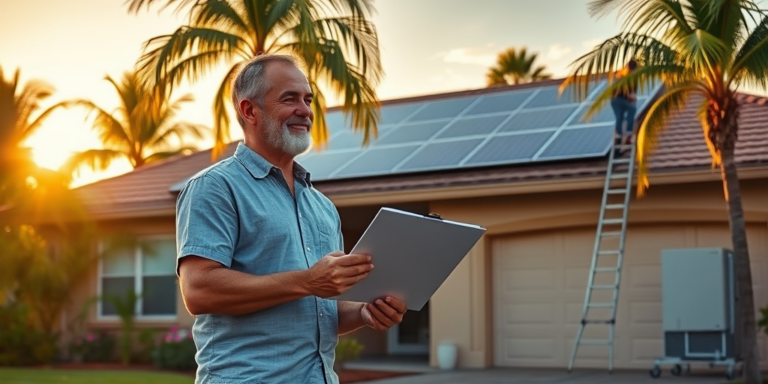
In a world where energy costs are climbing at an unprecedented pace—Florida homeowners face mounting pressure to secure affordable and reliable energy sources. Despite solar energy proving a viable solution, many are unaware of the lurking dangers that come in the form of solar scams. A staggering 30% of solar energy consumers report experiencing deceptive sales tactics, making it crucial to tread carefully in this increasingly popular market (Energy.gov). As this trend expands, especially in 2025 with policies set to encourage solar adoption, understanding “What Florida Homeowners Should Know About Solar Scams” is more important than ever. Not only can knowledge protect your financial investment, but it can also ensure you and your family benefit from genuine solar solutions that are designed to save you money and secure your energy independence.
From false promises of unrealistic savings to hidden fees that can derail your solar journey, the stakes couldn’t be higher. As Floridians embrace new opportunities for energy independence amid talks of rising utility costs, new tax incentives, and environmental awareness, the dark shadow of fraud looms larger than ever. In this engaging article, we’ll explore five crucial sections that will help empower you against solar scams:
- Section 1: A Deep Dive into Solar Scams, including emotional stories to guide you through common pitfalls.
- Section 2: Essential Steps to Identify and Avoid Scams, featuring a helpful checklist for your solar journey.
- Section 3: Dispelling Myths about Solar Energy and Its Market Trends.
- Section 4: Local Focus on the Florida Solar Market—specific statistics and recent developments.
- Section 5: A Technical Deep-Dive into installation best practices and system insights.
As we dive into the nuances of solar scams, remember that understanding the landscape is the first step toward making informed decisions. Let’s uncover the truth together.
Section 1: The True Face of Solar Scams – A Deep Dive
Meet Janine, a Palm Beach homeowner who thought she was making a sound investment when she decided to go solar. Excited about the idea of cutting her electricity bill and contributing to a greener planet, she signed a contract with a startup company that promised her the moon but delivered far less. After several months, Janine discovered that her installation was riddled with issues, and her promised savings were a mirage—a classic case of solar fraud.
This leads us to the importance of vigilance in this growing industry. Florida homeowners must be aware of the common scams that could threaten their investments:
- Unrealistic Promises: Many solar companies will entice you with extraordinary savings claims that simply cannot be substantiated. According to the Solar Energy Industries Association (SEIA), while savings are possible, they depend primarily on your roof size and local electricity costs.
- High-Pressure Sales Tactics: If a salesperson is pushing you to sign a contract on the spot, be cautious. A legitimate company will provide ample time for you to review documentation, terms, and other potential installation quotes.
- Hidden Fees: Sometimes, companies will tack on additional charges after a sale to pad their profits. Do your diligence and read the fine print.
To ensure you’re dealing with a reputable provider, consider these actionable steps:
- Research local companies and read reviews on platforms like Yelp or Google Reviews.
- Verify the company’s registered license and insurance in Florida.
- Ask for past customer references to gauge their experiences.
Janine’s experience highlights critical lessons for every Florida homeowner. The solar energy market presents incredible opportunities, yet it can also serve as a breeding ground for scams. With the right information, though, you can empower yourself to navigate this terrain successfully.
Section 2: Essential Steps to Identify and Avoid Scams
Developing an informed approach to your solar purchase is key to avoiding the pitfalls that frequently ensnare unwary homeowners. Here is a structured checklist that can help you recognize, and ultimately avoid, potential scams:
- Step 1: Audit Your Electric Usage. Understand your average monthly usage over the past year; this helps determine the size of the system you’ll need.
- Step 2: Vet Potential Solar Companies. Conduct a background check on companies you’re considering to weed out red flags—such as poor reviews or complaints to the Better Business Bureau.
- Step 3: Request Multiple Quotes. Don’t settle for the first offer you receive. Getting quotes from multiple providers can keep you informed about fair pricing.
- Step 4: Review the Contract Thoroughly. Look for ambiguous terms and hidden clauses that could lead to additional costs down the line.
- Step 5: Confirm Licensing and Insurance. Ensure that any contractor you consider is fully licensed and insured. This decreases liability in case of installation issues.
According to recent findings from the Florida Solar Energy Center, more than 40% of Florida homeowners don’t compare multiple offers before signing contracts (FSEC). Protecting yourself through research is key before diving into this energy transformation. For a trusted resource, visit nyelectricandsolar.com to help you find vetted solar companies in your area.
Section 3: Debunking Myths About Solar Scams
As we venture deeper into the world of solar energy, several misconceptions can inflate fears surrounding potential scams. Let’s dissect some of the most prevalent myths:
- Myth #1: Solar Is Only for Rich Homeowners. Many believe solar power is an expensive luxury. However, with growing financing options and incentives, solar systems are becoming accessible to many.
- Myth #2: All Solar Companies Are Reputable. While many are legitimate, the rapid increase in solar installations has attracted fraudulent entities; always conduct thorough research.
- Myth #3: You Don’t Need Maintenance. Solar panels require regular cleaning and inspections to ensure optimal performance and efficiency.
- Myth #4: You’ll Save Thousands Right Away. Savings take time to materialize. While solar eventually lowers electric costs, understanding the long-term gain is essential.
- Myth #5: The Government Will Cover Everything. While there are incentives available, homeowners are still responsible for initial costs and financing their systems.
Understanding these myths helps illuminate the landscape of the solar market in Florida. Awareness equips homeowners with the tools they need to safeguard their solar journey.
Section 4: A Local Focus on the Florida Solar Market
Florida’s solar market is booming, but this rapid expansion has created a running line of fraud. As a homeowner in the Sunshine State, keeping abreast of statistical trends can help you navigate the opportunities and threats:
- The state’s solar capacity has soared by over 40% in just two years (SEIA.org), highlighting a hot zone for both legitimate and illegitimate operations.
- Floridians can take advantage of significant tax incentives, including the federal Residential Renewable Energy Tax Credit, making solar adoption appealing, but this also draws scammers looking to exploit confusion around these tax structures.
- With over 30% of Floridian electricity coming from solar energy by 2025 projected, navigating this growing market can be overwhelming.
Floridians must adapt to these shifts wisely. By staying educated and informed about local market trends, homeowners can maintain control over their energy choices while avoiding pitfalls that scams present.
Section 5: Navigating Your Solar Journey – An Action Plan
As you embark on your solar journey in 2025, taking decisive action is critical to mitigate risk. Implementing a structured approach helps ensure your investment remains secure:
- Step 1: Research Local Regulations. Familiarize yourself with how local ordinances treat solar power, including permitting processes.
- Step 2: Gather Your Documentation. Make sure to collect all necessary documents, such as your utility bill and property tax information, to present to prospective solar companies.
- Step 3: Conduct Interviews with Solar Providers. Direct conversation can reveal a lot about a company’s integrity and practices.
- Step 4: Analyze Financial Options. Consider financing models that best suit your needs, such as leases, PPAs, or buying outright.
- Step 5: Stay Informed Throughout Installation. Regularly communicate with your contractor to clarify expectations and ensure clarity around timelines and expectations.
This comprehensive action plan arms Florida homeowners with the knowledge they need to recognize legitimate practices when converting to solar energy. Taking these steps enhances your financial investment.
In conclusion, navigating the solar energy market in Florida demands diligence, research, and most importantly, an understanding of the potential risks, including scams. By arming yourself with the information from our examination of “What Florida Homeowners Should Know About Solar Scams,” you’re not only protecting your financial investment but also setting yourself and your family up for a sustainable future. Remember, remaining vigilant can help ensure your transition to solar energy is smooth and fruitful.
Ready to start your solar journey in 2025? Connect with a certified expert at nyelectricandsolar.com today.
Related Articles
More insights about Solar Scams

Warning: Don’t Overlook These Solar Scams to Avoid

Don’t Miss This Critical Alert About Solar Scams

Don’t Ignore These Critical Solar Scams to Avoid
Ready to Go Solar?
Have questions about solar energy? Our experts are here to help you make the switch to clean, renewable energy.