
Florida Homeowners’ Guide to Solar Battery Storage Solutions
Share:
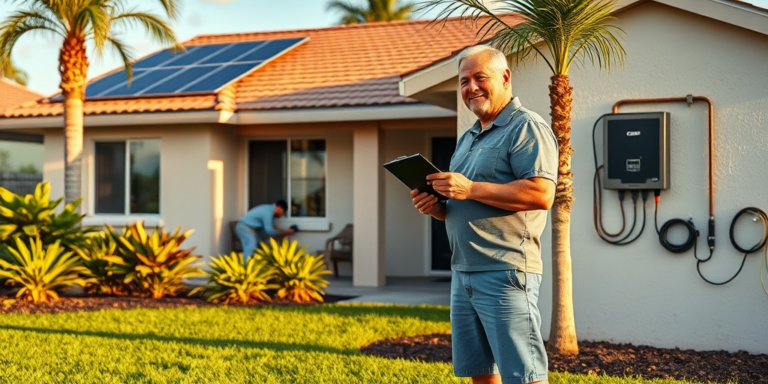
In a world where energy prices seem to rise only ever higher, Florida homeowners face unique challenges and opportunities in navigating their energy needs. Did you know that solar energy could potentially save Floridians up to $18,000 on their electricity bills over 20 years? With an average of 237 sunny days a year, harnessing this natural resource becomes not just a benefit but almost a necessity. Welcome to the Florida Homeowners’ Guide to Solar Battery Storage Solutions, an essential resource for anyone considering solar conversion in 2025. As you embark on this transformative journey, it’s vital to understand that almost a third of Florida’s households consider solar energy as they seek stability in an unpredictable energy market (Energy.gov). This guide will unpack how solar battery storage can empower homeowners in Florida to take charge of their energy future and unlock maximum savings.
In this post, we will explore five key sections that highlight the importance of solar battery storage solutions. First, we’ll dive into an engaging case study that reveals how one family reaped the rewards of switching to solar energy. Next, we’ll provide a actionable checklist that breaks down the critical steps for homeowners to follow. We’ll then include a myth-busting section that dispels common misconceptions associated with solar energy. Following that, we’ll discuss the local focus of solar solutions in our sunny state, equipping you with essential knowledge about the unique climate and policy landscape. Finally, we’ll conduct a deep technical dive into existing systems, their components, and how they interact with your energy consumption.
It’s more crucial than ever to understand how solar battery storage can maximize your energy efficiency and savings in 2025. This guide will empower you with knowledge to make informed decisions regarding your energy choices and how solar battery storage can meet your household’s needs.
A Comprehensive Exploration of Solar Battery Storage Solutions for Florida Homeowners
Your journey begins here as we review a compelling case study that encapsulates the powerful benefits of solar battery storage. Meet the Garcia family, residents of a modest home in sunny Fort Myers, Florida. Faced with fluctuating energy costs and a desire for energy independence, they decided to switch to solar energy in 2023. What they didn’t fully grasp at the time is how integrating battery storage into their solar system would ultimately revolutionize their energy consumption.
Initially, the Garrcias installed a solar photovoltaic (PV) system with a standard inverter to harness sunlight and convert it into usable electricity. The seamless integration of a battery storage system soon became apparent when they experienced an unexpected storm that knocked out power in their neighborhood for two solid days. The Garcia family was filled with gratitude as they realized their home remained fully powered because of their battery storage solution, which stored ample energy generated on sunny days. This exemplifies how battery storage can provide not just savings but also peace of mind during extreme weather events—something Floridians know all too well.
Checklist for Harnessing the Benefits of Solar Energy
To maximize your solar battery storage potential, follow these actionable steps:
- Step 1: Understand Your Energy Needs – Conduct a thorough analysis of your energy consumption patterns. Knowing how much energy you use each month is crucial when determining the size of your solar system and battery.
- Step 2: Research Financing Options – Explore various financing options available for installing solar systems in Florida. Incentives, such as the Federal Investment Tax Credit (ITC), can diminish costs dramatically (SEIA.org).
- Step 3: Choose the Right Solar Provider – Selecting a trusted local solar provider can dramatically influence your installation’s success and efficiency. Research their reputation, available products, and customer service records.
- Step 4: Consider Battery Storage Type – When investing in battery storage, you’ll encounter different technologies such as lithium-ion and lead-acid batteries. Assess which type better suits your needs and budget.
- Step 5: Monitor and Optimize Usage – Once your system is in place, use apps or monitoring systems to track your energy usage and battery levels to understand how much energy you’re generating versus consuming.
Following these steps can set you on the right track toward energy independence in sunny Florida.
Dispelling Common Myths About Solar Battery Storage
As solar energy becomes more prevalent, it’s natural for misconceptions to arise. Let’s address some myths regarding solar battery storage:
- Myth #1: Solar Batteries Are Too Expensive – While the upfront cost may seem daunting, the long-term savings and incentives can justify the investment. Over time, batteries can significantly lower energy costs (Energy.gov).
- Myth #2: Solar Energy Is Ineffective in Cloudy Weather – Solar panels can still produce energy on cloudy days. Battery storage ensures any excess energy generated is captured for future use, ensuring reliability.
- Myth #3: Homeowners Can’t Use Batteries in Florida – This is far from the truth. Solar battery installations are both permitted and encouraged for homeowners in Florida to enhance energy self-sufficiency.
- Myth #4: Batteries Require Excessive Maintenance – Modern solar battery systems are designed for minimal maintenance. Routine checks are necessary, but they generally require less upkeep than alternative energy sources.
Debunking these myths empowers homeowners to embrace solar energy and battery storage without fear or hesitation, paving the way for energy independence.
The Local Focus: Florida and Solar Energy Regulations
In Florida, the transition to solar energy is bolstered by supportive laws and programs aimed at encouraging homeowners to adopt renewable energy solutions. For instance, did you know that under the Florida Solar Rights Act, homeowners can install solar energy systems without obtaining a variance from their local governments? This legislation opens doors for many families considering switching to solar, allowing individuals to harness the state’s abundant sunlight without added hurdles (SEIA.org).
Furthermore, Florida has invested heavily in solar initiatives. As of late 2023, Florida ranked third in the nation for installed solar capacity, with over 7,000 megawatts operational statewide (SolarReviews.com). This highly competitive position indicates not just favorable weather conditions but also a thriving marketplace for solar products and services. Such developments ensure that homeowners can find reliable products that better fit their requirements, leading to maximized energy savings and efficiency.
Locally, utility companies are adapting their policies as solar adoption increases. It’s essential to be aware of programs such as net metering, where solar energy system owners receive credits for energy produced and sent back to the grid. Understanding these policies can help homeowners optimize savings from their solar energy systems.
5 Expert Solar Installation Tips for 2025
The world of solar energy is continuously evolving, and to ensure you are well-prepared for 2025, consider these expert tips:
- Tip #1: Don’t Skimp on Quality Equipment – Selecting high-quality panels and inverters can greatly influence the longevity and efficiency of your solar system. Always choose products with proven performance and warranties.
- Tip #2: Seek Local Expertise – Partner with local installers who understand Florida’s unique climate and regulations. Their knowledge can help tailor the installation to your specific needs.
- Tip #3: Plan for System Expansion – Consider future energy needs and plan your solar system with expansion in mind. It’s beneficial to install a system that can later accommodate additional panels or batteries.
- Tip #4: Optimize Solar Panel Placement – Placement matters significantly. Panels should be directed towards the sun and first positioned at angles that ensure maximum exposure for energy generation.
- Tip #5: Understand Warranty Options – Review warranty coverage before installation. Quality equipment should come with generous manufacturer warranties to protect your investment over time.
Applying these expert tips can significantly improve your solar installation’s efficiency and longevity, maximizing your investment returns over the years.
Navigating the Solar Journey: A Florida Homeowner’s Experience
Imagine the Johnson family, residing in Tampa Bay. In 2025, they made the life-changing decision to transition to solar energy after witnessing rising electricity prices. Initially overwhelmed, they meticulously researched online for solar solutions and shared their experiences with friends and neighbors. With the high electric bills they faced, the promise of solar energy seemed increasingly appealing.
Their story unfolds step-by-step. Here’s how they navigated together:
- Research and Discovery – They attended local solar fairs and engaged in community discussions about renewable energy, which helped them better understand their options.
- Financial Planning – John and Sarah carefully evaluated their finances and discovered incentives that would help them afford a solar installation. They were thrilled to learn about the Federal Investment Tax Credit.
- Selecting a Provider – After receiving quotes from several companies, they chose a reputable local solar provider known for stellar customer reviews and service quality.
- Installation – Once installation began, the family observed how the solar panels were placed to maximize sunlight exposure, with an emphasis on aesthetics and efficiency.
- Post-Installation Monitoring – Months after installing their solar system, they celebrated knowing that they effectively cut their power bills. They installed monitoring software that allowed them to keep track of energy generation and consumption.
Today, the Johnsons are living proof that transitioning to solar energy can yield immense long-term benefits, both financially and environmentally. This journey is possible for many homeowners across Florida, inspiring them to play their part in creating sustainable energy solutions.
Next Steps for Florida Solar Buyers in 2025
As you embark on your solar journey, consider the following steps to ensure a smooth transition to solar energy:
- Step 1: Audit Your Electric Bill – Examine your electric bill over several months to identify patterns in energy usage. Understanding your consumption habits is pivotal to choosing the right solar system.
- Step 2: Explore Available Incentives – Stay informed about incentives and rebates that can help offset the costs of your solar installation. The financial benefits available in 2025 are likely to be significant.
- Step 3: Consult with Experts – Reach out to certified solar energy consultants for a thorough evaluation of your home’s solar potential. Use resources available at nyelectricandsolar.com to connect with qualified experts.
- Step 4: Assess Your Environmental Impact – Evaluate the environmental benefits of switching to renewable energy and add this information to your list of motivators for making the switch.
- Step 5: Engage with Your Community – Don’t go through this transition alone. Connect with neighbors or local groups interested in solar energy. Learning from others can add valuable insights to your solar journey.
Each of these steps serves to reduce your friction points in choosing a solar energy solution and leads you toward a sustainable energy future right here in Florida.
In conclusion, the need for solar energy and battery storage solutions is more pressing than ever for Florida homeowners navigating rising energy costs. The insights shared in this guide—from actionable checklists and myth-busting to personal homeowner narratives—demonstrate the potential savings and peace of mind that can come from investing in solar systems. By harnessing solar power, you not only elevate your family’s energy independence but also contribute to a more sustainable future for your community and our planet.
Ready to start your solar journey in 2025? Connect with a certified expert at nyelectricandsolar.com today.
Related Articles
More insights about Battery Storage

Beginner’s Guide to Solar Battery Storage Essentials

Florida Homeowners: Unlock Benefits of Solar Battery Storage Today

7 Essential Steps for Solar Battery Storage Setup
Ready to Go Solar?
Have questions about solar energy? Our experts are here to help you make the switch to clean, renewable energy.