
Are Florida Homeowners Ready for Solar Panel Maintenance Tips?
Share:
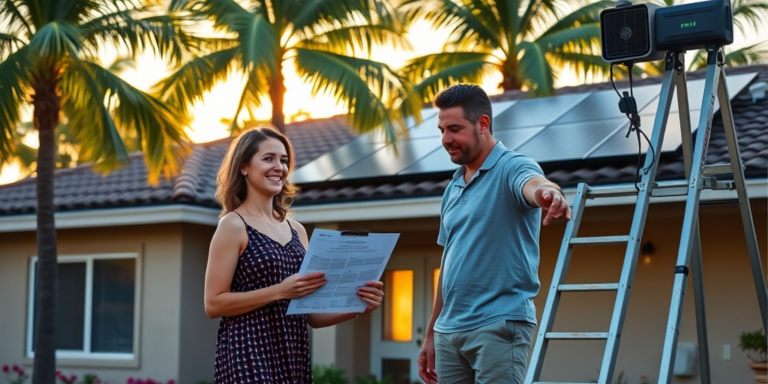
Are you aware that nearly 130,000 homes in Florida have gone solar as of 2023, a number that has been steadily climbing every year? This remarkable statistic represents not just an increase in eco-consciousness, but also a shift in how homeowners are approaching energy consumption and costs. Are Florida homeowners ready for solar panel maintenance tips? With the promise of higher energy efficiency and lower electric bills, going solar is more critical than ever as we enter 2025, especially given the rapidly rising costs of traditional energy and the unreliable grid faced in many areas. The thoughtful maintenance of solar panels not only enhances performance but also extends their lifespan significantly, making it crucial for homeowners and commercial property owners alike to understand how to care for their systems properly. In this comprehensive guide, we will cover five essential areas: (1) a detailed case study on solar maintenance, (2) a practical checklist for ongoing care, (3) myth-busting misconceptions surrounding solar upkeep, (4) a focused look at local Florida conditions affecting solar performance, and (5) a technical deep dive into solar technology, allowing you to fully optimize your investment.
Understanding Solar Panel Maintenance: A Comprehensive Case Study
Let’s journey through a hypothetical situation with Matt and Jessica, a couple living in Cape Coral, Florida. After thoroughly researching solar energy options, they decided to install a solar panel system on their home in 2020, dreaming of cutting their electric bills and doing their part for the environment. Yet, two years in, they started to notice their monthly savings weren’t what they anticipated. What went wrong?
As it turns out, Matt and Jessica neglected crucial maintenance checks after the initial installation. They assumed their solar panels would operate optimally without regular care. Their case illustrates one of the most common pitfalls for solar homeowners—neglecting maintenance. Poor performance resulted in a 15% decrease in energy output from their solar system due to dust accumulation and general system wear. In Florida, maintaining solar efficiency is particularly vital, given our unique climate conditions, including intense rainstorms, humidity, and debris from nearby trees.
- Step 1: Clean your panels regularly. Florida is known for its sunny weather, but dust and pollen can accumulate on solar panels, reducing efficiency. A simple wash with clean water can recapture lost efficiency. Data suggests that regular cleaning can boost energy output by as much as 20% (Energy.gov).
- Step 2: Inspect your system at least twice a year. Consider hiring a solar technician for a comprehensive check-up, including an inverter assessment. According to the National Renewable Energy Laboratory, an annual inspection can extend the lifespan of your system by potentially two additional years.
- Step 3: Monitor your energy output using apps or monitoring systems. Many solar installations come equipped with monitoring tools that allow homeowners to view real-time performance metrics. If you see sudden drops, it may be an indicator of a maintenance issue.
- Step 4: Ensure shade isn’t obstructing your panels. Florida homeowners often plant beautiful tropical trees or shrubs around their homes. Make it a practice to trim trees that cast shadows on your panels, as even a slight decrease in sunshine can lead to reduced efficiency.
Matt and Jessica soon learned their lesson and implemented these steps, witnessing a significant rise in their solar energy output. They soon reclaimed their savings and enjoyed a more sustainable lifestyle. The dedication to maintenance transformed their system from an “underperforming” use of solar to a powerful asset for their home.
Taking care of solar panels is integral, especially in Florida, where rain and humidity can accelerate wear. With only around 300 sunny days a year, the efficiency and durability of solar power systems can become compromised without appropriate maintenance. Remember, proactive action can help you maximize your solar savings.
Moving forward, let’s explore actionable steps in maintaining your solar energy system.
Your Solar Maintenance Checklist: 5 Crucial Steps
Investing in solar is the first step; maintaining it is the next. Proper maintenance ensures that you maximize your solar savings. Let’s break down your comprehensive checklist for solar panel upkeep that every Florida homeowner should keep in mind.
- Step 1: **Regular Cleaning:**
- How to clean: Use soft-bristled brushes and gentle water pressure to avoid damaging the panels. If you choose to hire professionals, ensure they’re experienced in solar maintenance.
- Frequency: Clean your panels every six months, or more often during the pollen and hurricane seasons.
- Step 2: **Annual Professional Inspections:**
- Hire a certified solar technician once a year to conduct a comprehensive inspection of the entire system.
- They’ll evaluate panel integrity, the inverter’s performance, and check for electrical connections, ensuring maximum efficiency.
- Step 3: **Monitor Energy Production:**
- Use associated apps or monitoring systems to regularly check if your solar energy output is on par with expectations.
- Should you notice any inconsistencies, contact your solar provider immediately to identify issues.
- Step 4: **Check for Debris:**
- Remove any obstructions like leaves, branches, or bird droppings from your panels.
- Consider trimming nearby trees that cast shadows obstructing sunlight.
- Step 5: **Inverter Maintenance:**
- Check for any alerts or warnings on your inverter about power generation.
- Contact your solar installer to check on the inverter if you notice performance drops.
Regular maintenance not only ensures optimal energy production but can also extend the lifespan of your system by two decades or more compared to poorly maintained panels. The National Renewable Energy Laboratory estimates that proper care can increase your solar panel lifespan from 25 to 30 years significantly.
Don’t hesitate to reach out to nyelectricandsolar.com for tailored advice on creating your solar maintenance schedule.
Let’s now tackle some common myths that might discourage homeowners from investing in solar maintenance.
Debunking Solar Maintenance Myths: Separating Fact from Fiction
In the world of solar energy, misinformation often leads to doubt. Here are five myths surrounding solar panel maintenance, debunked with real facts to ensure Florida homeowners approach this transition with confidence.
- Myth #1: Solar panels don’t need maintenance.
Fact: All solar panels require maintenance, which includes cleaning and regular inspections. In fact, neglecting maintenance can result in up to a 20% drop in efficiency (SEIA.org).
- Myth #2: Cleaning solar panels is dangerous for homeowners.
Fact: While climbing onto roofs may pose risks, cleaning can be simplified with professional services or ground cleaning methods. Your safety should always come first.
- Myth #3: Rain alone will clean solar panels.
Fact: While rain can wash away some dirt, it often leaves behind residue that can decrease efficiency. Regular cleaning is do-your-solar right.
- Myth #4: Solar panel warranties cover maintenance costs.
Fact: Most warranties do not cover negligence. Performing regular maintenance can help avoid issues that might void warranties; hence, proactive care is essential.
- Myth #5: All solar systems require the same maintenance routines.
Fact: Systems can differ based on installation, types of solar panels, and local weather conditions. Always consult an expert familiar with your specific setup.
By understanding and debunking these myths, Florida homeowners can make informed decisions. Don’t let doubt deter you from experiencing the benefits of solar energy maintenance; knowing the facts will empower you.
Next, let’s take a closer look at how Florida’s unique climate and conditions can affect your solar energy investment and what that means for you.
The Impact of Florida’s Climate on Solar Power Performance
As a Florida homeowner, understanding how our environment affects solar energy production is essential. Several regional factors play significant roles in how well your solar panels perform throughout the year.
Florida enjoys abundant sunshine, boasting an average of 2,500 hours of sun annually. This feature presents ideal conditions for solar energy generation. However, the hot and humid climate can pose challenges, including:
- High Humidity: Humidity can lead to the accumulation of mold and algae on solar panels, which can decrease performance. Regular cleaning becomes crucial to counteract this issue.
- Severe Storms: Heavy rains and wind from hurricanes can damage panels if they’re not installed correctly. Consult with qualified installers who understand the structural integrity needed for Florida’s unique storm threats.
- Temperature Fluctuations: Extremely high temperatures can cause efficiency losses in solar modules. While most modern panels are resilient, ongoing monitoring helps mitigate risks and maintain performance.
Moreover, solar energy policies in Florida can demand additional considerations. Tax incentives are available to homeowners who install solar panels; however, those benefits hinge on maintaining the system’s performance. Failure to do so could impact eligibility for state incentives.
Florida homeowners should keep in mind the pressing importance of maintaining solar equipment to minimize damages and maximize benefits. With continued investments in solar technology, our communities can strive for a greener future.
Understanding your local conditions enhances your ability to maintain your solar setup effectively. Moving onward, let’s explore the technical aspects and best practices for solar systems.
Technical Deep Dive: Best Practices for Solar Systems in 2025
This section will provide you with the intellectual underpinnings necessary to manage your solar system effectively in 2025 and beyond. Understanding the components and potential pitfalls of solar technology can save you valuable time and money in the long run. Here are significant aspects of solar systems to consider:
- Inverter Care: Your inverter is the brain of the solar system, converting direct current (DC) electricity into alternating current (AC) electricity for household consumption. Inverters typically last about 5–10 years. Keep an eye on inverter performance, as poor performance could lead to excessive energy waste. Failure to address inverter issues can lead to costly repairs or replacements.
- Battery Storage Integration: With the growing popularity of battery systems, integrating quality battery storage can optimize your energy management. This addition allows homeowners to store surplus energy produced during the day for use at night or during outages, significantly enhancing energy independence.
- Monitoring Technology: Use real-time performance monitoring solutions to keep tabs on your solar panel output. Many systems come with mobile applications that alert users to any performance drops. Stay updated, and troubleshoot issues as they arise.
- Smart Solar Solutions: Invest in technology that optimizes the solar functionality at your home. Smart solar panels with built-in sensors can assess external conditions and adapt operations for maximum energy efficiency.
- Documentation and Record-Keeping: Maintain detailed documentation of service history, installations, and any repairs. This practice not only helps with performance tracking but also strengthens warranty claims if issues occur in the future.
By focusing on these technical best practices, you position your solar investment for optimal long-term gains and protection against ongoing and future challenges. When integrated into your maintenance routine, these strategies ensure you’re harnessing the power of the sun efficiently.
With an understanding of technical necessities, let’s now shift our perspective to outline concrete next steps for Florida solar buyers in 2025.
Next Steps for Florida Solar Buyers in 2025
Are you prepared to take the plunge and embrace the future of energy? Here’s a practical action plan to set you up for success with your solar journey.
- Step 1: **Audit Your Electric Bill:**
- Start by reviewing your electric bills over the past year. Identify your average monthly consumption and peak usage times. This data helps assess the size and type of solar system that best suits your needs.
- Step 2: **Build a Maintenance Schedule:**
- Develop a yearly maintenance calendar based on the checklist provided. Schedule regular cleanings, inspections, and monitoring checks to maintain optimal production.
- Step 3: **Consult Certified Installers:**
- Reach out to certified solar installation companies such as nyelectricandsolar.com for personalized consultations. Get multiple quotes and read customer reviews to choose a reliable partner.
- Step 4: **Stay Informed on Local Policies:**
- Keep abreast of any changes in Florida’s solar energy laws and incentives. Understanding the potential benefits can help maximize your investment.
- Step 5: **Share Your Journey:**
- Engage with local solar communities. Sharing your experiences may help others in their journey, and it will keep you motivated and informed.
This action plan not only sets a path for ownership but builds the framework for sustained energy independence and financial savings through solar energy.
As we conclude this comprehensive guide, let’s recapture the essential points and reinforce the call for action.
Conclusion: Your Journey Towards Solar Power in 2025
As we’ve explored, maintaining your solar energy system is not just a recommendation; it’s a vital practice for maximizing efficiency and savings. From cleaning and regular inspections to debunking damaging myths, Florida homeowners have the opportunity to embrace the full benefits of solar energy while ensuring their systems last for decades.
The energy landscape is evolving rapidly, with choices growing extensively. As you move towards the next year, understanding the weather impacts, local regulations, and system maintenance will empower you to harness the sun’s full potential successfully. Not only will this proactive approach provide for you in the short term, but it will also safeguard your investment for years to come.
Ready to start your solar journey in 2025? Connect with a certified expert at nyelectricandsolar.com today.
Related Articles
More insights about Solar Panel

How Many Solar Panels Do You Need in Upstate New York?

Florida Homeowners: Why Solar Panel Maintenance Is Essential

7 Essential Steps for Solar Panel Installation Success
Ready to Go Solar?
Have questions about solar energy? Our experts are here to help you make the switch to clean, renewable energy.