
Why Florida Residents Should Explore Community Solar Benefits
Share:
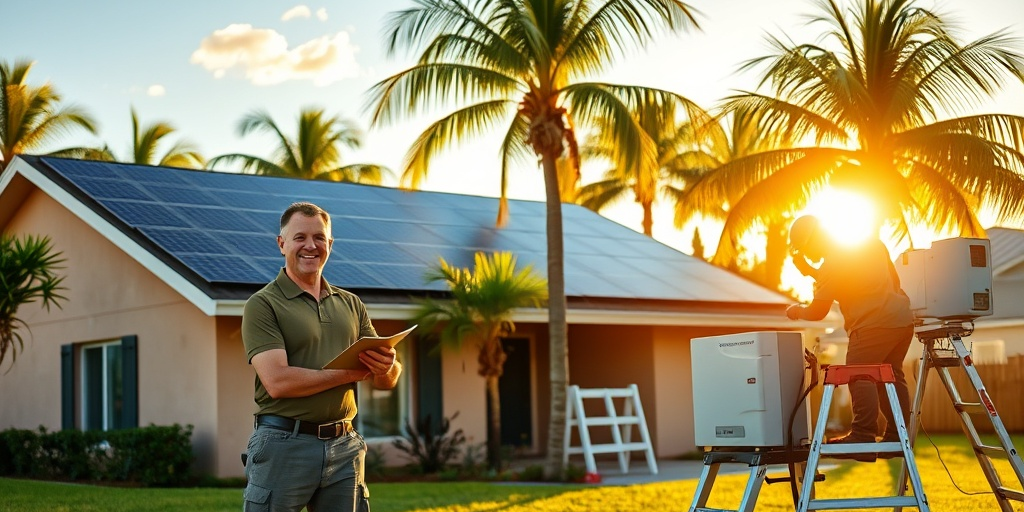
Imagine a world where your electric bill isn’t your biggest source of stress, where you can power your home and contribute to a cleaner environment at the same time. For Florida residents thinking about travel plans or that new boat purchase, the thought of climbing energy costs can quickly change your plans. In fact, over 45% of Floridians listed rising energy bills as their top concern impacting financial stability (Energy.gov). This makes the conversation around renewable energy more urgent than ever, placing a spotlight on community solar options. This is why Florida residents should explore community solar benefits. By harnessing shared energy solutions, Floridians not only reduce their costs, but also increase sustainability for their homes and communities. Statistics show that more than 15% of Florida homes are likely to switch to solar by 2025 (SEIA.org), driven by financial incentives and technological advancements. But what exactly does community solar entail? And how can you use this option to benefit yourself in 2025?
In this comprehensive guide, we’ll uncover the layers of community solar, illustrating its local relevance, dispelling myths, and offering actionable steps to kick-start your solar journey. We’ll explore the following sections:
- A deep dive into community solar through rich case studies and actionable checklists.
- Address and dispel common myths that can hold you back.
- A look at the specific benefits Florida homeowners could gain from these initiatives.
- Best practices and expert tips for installing solar systems in 2025.
- A clear action plan for Florida residents to transition to solar and maximize their savings.
The urgency for embracing solar energy has never been clearer, especially in 2025. With new policies favoring solar adoption and the increasing cost of electricity, this is your moment to seize control of your energy future. Let’s get started!
Community Solar: A Beacon of Hope for Florida Residents
Imagine Sarah, a single mother living in Tampa, Florida, who has always been worried about her mounting electric bills. Each month feels like a struggle, and she often wonders if there’s a way to ease this financial burden. One day, while sipping coffee with a friend at a local café, Sarah learned about community solar programs. Intrigued, she began researching this innovative approach. What she discovered not only empowered her to take control of her energy usage but also provided a way to contribute positively to the environment.
Community solar is a model that focuses on shared solar energy systems, allowing Floridians who may not qualify for traditional rooftop solar—due to shading, lack of roof space, or financial restrictions—to still participate in solar energy. Participation often involves subscribing to a community solar farm where contributions are reflected in reduced electricity bills. With Florida sunlight being abundant nearly year-round, this model is not just beneficial but also essential for achieving energy independence.
Here is a checklist of actionable steps Sarah took to begin her solar journey:
- Step 1: Research Local Solar Farms – Sarah explored local community solar farms in the Tampa Bay area.
- Step 2: Assess Financial Options – She examined cost-sharing programs and incentives from Florida’s solar rebate program.
- Step 3: Meet the Neighbors – Engaging in community discussions, she connected with fellow residents to share experiences.
- Step 4: Enrollment – Sarah signed up for a community solar program that allocated her share of the energy produced.
- Step 5: Stay Informed – She continuously researched updates on solar policies and new incentives available in Florida.
However, many myths hold potential solar adopters back. Here are common misconceptions and truths you should know:
- Myth #1: Community solar is only for low-income households.
Truth: Many community solar programs are designed to accommodate all customers, providing an accessible option regardless of income. - Myth #2: Only homeowners can benefit from solar energy.
Truth: Renters can also participate in community solar, allowing them to enjoy energy savings. - Myth #3: Community solar is more expensive.
Truth: Participants often find that community solar can lead to significant savings, and many programs offer flexible payment options. - Myth #4: Net metering is the only way to save with solar.
Truth: Community solar alleviates the need for individual net metering, creating a more stable savings approach for many families. - Myth #5: Community solar doesn’t provide enough energy.
Truth: Shared solar farms aggregate contributions from many families, generating more than enough power for all participating households.
Community solar initiatives not only help the environment but strengthen local economies. In Florida, it’s estimated that implementing these solar solutions can create over 13,000 jobs (SEIA.org). Transitioning to community solar can also mitigate billing instability, as many Floridians face grid instability due to severe weather, so this local focus becomes even more relevant.
With innovative technology, like bi-directional inverters and solar tracking, Florida is primed for a solar revolution. This means findings from ongoing research are offering enticing solutions to meet increasing energy demands. Solar innovations can allow for better integration with existing infrastructure and promote efficient energy distribution.
As Sarah’s journey illustrates, community solar combines accessibility and sustainability while actively addressing pressing energy concerns. It’s time for Florida residents to harness the sun’s power for their communities.
Understanding Community Solar’s Benefits
The ripple effects of participating in community solar extend beyond individual households. When you opt for community solar, you become part of a larger collective that seeks to create shared prosperity. Here are some of the key benefits:
- Cost Savings: Many community solar programs offer subscription rates that are often lower than traditional utility rates.
- Simplicity: It’s straightforward—once you subscribe, there’s minimal management required. Your community solar provider will handle everything.
- Sustainability: This model contributes to local energy networks, promoting a cleaner and more sustainable energy future for all Floridians.
- Flexibility: You can subscribe or cancel depending on your energy needs, making it a flexible option.
- Community Connection: By joining a community solar project, you’re helping strengthen local economies while fostering a sense of community.
In many parts of Florida, particularly urban areas, there’s a significant push toward renewable energy. A recent study showed that nearly 70% of Floridians support solar energy development (SolarReviews.com). This sentiment is critical as the state works to advance its clean energy goals, targeting renewable sources for 30% of its energy by 2030. All of these factors underline the importance for Florida homeowners to explore community solar benefits.
The state’s solar policies, such as the net metering law, have opened the doors for flexibility, enabling community solar to flourish. This allows many residents to not only enjoy immediate benefits but also conserve energy long-term. As Florida continues to adapt and innovate, understanding the full scope of what community solar initiatives can achieve is essential.
For those unsure whether community solar is a viable option, researching local regulations and policies specific to your area can enlighten you. Note that legislation surrounding community solar is favorable for residential projects, making it a sensible route to energy independence.
As you deepen your understanding of community solar’s benefits, remember the power lies in collective action. Be part of a movement that enhances the Florida energy landscape while reducing dependency on traditional energy sources. Now is the time to be proactive and engage with community solar programs in 2025.
5 Expert Solar Installation Tips for 2025
Choosing to install solar panels—whether for home or community solar—requires informed decision-making. Here are five expert tips designed specifically for Florida residents to ensure a successful installation in 2025.
- Tip #1: Don’t Skimp on Panel Quality – Invest in reputable brands that have proven efficiency records, helping you maximize your solar output.
- Tip #2: Optimize Panel Placement – Work with installers who know Florida’s climate, focusing on angle and direction for optimal sunlight exposure.
- Tip #3: Consider Battery Storage – Although community solar may provide shared energy, having a battery can further reduce dependency and provide backups during outages.
- Tip #4: Understand Your Energy Needs – Conduct an energy audit before installation, allowing you to size your system appropriately for current and future use.
- Tip #5: Stay Informed on Incentives – Keep an eye on federal and state incentives, as these can significantly lower initial costs. Florida currently offers several programs aimed at promoting residential solar installations.
As of 2025, the Solar Investment Tax Credit (ITC) can allow for significant tax savings, providing an excellent incentive for all homeowners venturing into solar. Utilize these tips when approaching your installation, ensuring each component aligns with your goals. Choosing the right installation partner also makes a difference in efficiency and successful project implementation. Do your homework, and ask for references and previous project samples.
The success of your solar journey doesn’t stop at installation. Continually monitor your energy consumption patterns and engage with your community solar provider to ensure you’re maximizing your benefits. Consult experts at every key point to make informed decisions that contribute to your overall savings.
A Florida Homeowner’s Solar Journey: Innovating for the Future
Let’s follow the fictional story of Michael, a retired veteran living on the outskirts of Orlando, as he embarks on his solar journey. With a fixed income, Michael has always been cautious about his budgeting. In 2025, with electric prices on the rise, he felt the crunch even harder. Realizing he could not afford rising utility costs, he decided it was time to consider solar energy. After diving into community solar options, Michael found a local project just starting an enrollment phase. Curious, he attended an informational meeting and learned about potential benefits like cost savings and how to become more eco-friendly.
Here’s what Michael discovered:
- He learned that community solar projects are designed to provide participants with energy bill savings, enabling him to forecast budgeting more accurately.
- The program he joined had a subscription fee, which was less than what he typically paid for utilities, allowing him to reinvest that savings into other aspects of his retirement.
- He found like-minded neighbors interested in collective solar solutions, strengthening community ties.
- Michael was also informed that when he participated, he significantly reduced his carbon footprint, contributing positively to the environment.
Michael’s story emphasizes the local impact that community solar can have. As his community program expanded, new innovative technologies became available, which were designed to boost energy efficiency and connectivity between solar producers and consumers. Such initiatives are vital as they provide an understanding of how solar energy can influence the lives of average Florida residents.
Interestingly, Michael took a survey later and discovered that around 85% of his fellow community solar subscribers also leaned towards similar motivations for joining: affordability, sustainability, and community engagement (NREL.gov). Their excitement to use renewable energy initiatives not only transformed households but also bolstered local economies, thus making a strong case for the viability of community solar in Florida.
As we look toward a future focusing on renewable energy, Michael’s journey serves as an inspiration. It’s a prime example of how Florida homeowners can navigate this energy shift while engaging meaningfully with solar technology. By opting into a shared solar initiative, more homeowners can embrace cleaner, affordable futures.
Next Steps for Florida Solar Buyers in 2025
So, you’ve learned about community solar, its benefits, and stories like those of Sarah and Michael. What’s next? Transitioning to solar energy can seem overwhelming, but breaking it down into manageable steps can simplify the process. Below is a clear action plan to help Florida residents move forward smoothly:
- Step 1: Audit Your Electric Bill – Begin by reviewing your current energy consumption. Highlight trends and observe when you use the most power—this will help identify if community solar is right for you.
- Step 2: Research Community Solar Programs – Identify local community solar farms and learn about their subscription processes. Talk to friends or family who might have undergone this journey.
- Step 3: Calculate Potential Savings – Use available calculators on community solar provider sites to estimate how much you could save compared to your current bills.
- Step 4: Attend Informational Sessions – Don’t hesitate to participate in community meetings or information sessions to learn and discuss what solar community projects offer your area.
- Step 5: Enroll Yourself – Once you’re informed and committed, take the plunge by enrolling in a community solar program. Follow their guidelines and enjoy your journey into solar energy!
As you embark on this journey, always stay connected and informed through trusted resources. Visit nyelectricandsolar.com for additional resources and tailored suggestions regarding community solar opportunities available in Florida.
In 2025, solar energy is not just a choice; it’s becoming a necessity for Florida residents to navigate rising costs and environmental needs. By participating in community solar initiatives, you’re making a responsible investment in both your financial future and the environment.
Conclusion
As we’ve explored throughout this post, the journey into solar energy—especially via community solar—offers Floridians a chance to cultivate energy independence. Community solar is not merely about lower bills, but also about joining a collective effort to create sustainable futures. The urgency for Florida residents to explore community solar benefits is palpable, given rising energy costs and an ever-evolving energy landscape.
Homeowners who opt into this inclusive program stand to gain not only financially but also contribute positively to their communities. The beauty of community solar lies in its shared power generation—a powerful statement that together, we can do more, save more, and protect the planet simultaneously. As you consider this shift toward greener alternatives, remember the stories of individuals like Sarah and Michael, who were empowered by the sharing of energy.
Ready to start your solar journey in 2025? Connect with a certified expert at nyelectricandsolar.com today.
Related Articles
More insights about Community Solar

Florida Residents: 5 Reasons to Consider Community Solar Benefits

South Florida Community Solar Benefits: What Residents Should Know

Beginner’s Guide to Understanding Community Solar Benefits
Ready to Go Solar?
Have questions about solar energy? Our experts are here to help you make the switch to clean, renewable energy.