
What Gulf Coast Homeowners Should Know About Solar Panel Installation
Share:
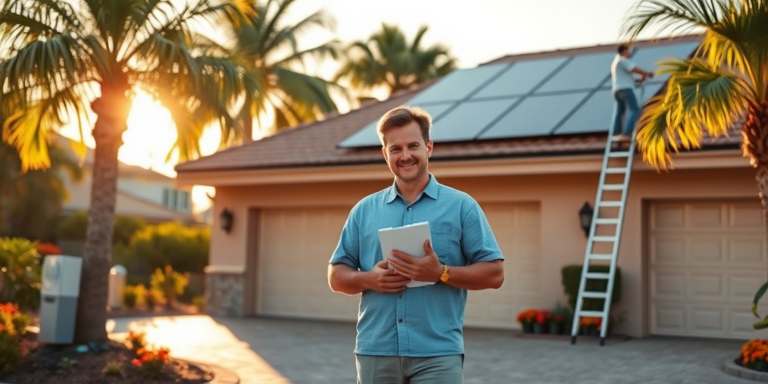
Did you know that solar energy use in Florida has skyrocketed in the past decade, with a staggering 112,090 residential solar installations recorded by mid-2023? This remarkable growth has made the Sunshine State one of the leading markets for solar power in the United States, significantly benefiting homeowners by reducing energy costs and promoting environmental sustainability (SEIA.org). As we approach 2025, Gulf Coast homeowners are standing at a pivotal crossroads. Are you ready to embrace a new era of energy independence? Today’s article, What Gulf Coast Homeowners Should Know About Solar Panel Installation, aims to empower you with the knowledge required to make this transformative decision.
In Florida, the average annual savings for homeowners switching to solar power can reach around $20,000, owing primarily to state incentives and decreased electricity bills (SolarReviews.com). But what does it take to navigate the process of solar installation successfully? Why should you consider going solar now? The urgency could not be clearer—government incentives are evolving, energy prices are expected to rise, and climate change is prompting a need for sustainable solutions.
In this comprehensive guide, we will explore five crucial aspects of solar panel installation that every Gulf Coast homeowner should know:
1. **In-Depth Exploration of Solar Technology and Local Case Studies**
2. **Essential Checklist for Solar Installation**
3. **Debunking Common Myths Surrounding Solar Energy**
4. **Specific Insights for Florida Homeowners**
5. **Practical Steps for Your Solar Journey**
Let’s embark on this enlightening solar journey together where you’ll not only discover critical insights to maximize your energy savings but also learn how solar can reshape your financial future.
Understanding Solar Power: A Deep Dive into Technology and Local Choices
Have you ever considered how solar panels work and what sets them apart? Let’s delve deep into this technology while sharing a compelling story that illustrates the immediate value of solar for Gulf Coast homeowners.
Meet Lisa, a resident of Clearwater, Florida, who recently took the plunge into solar. With her annual electric bill exceeding $2,500, she was looking for a solution that wouldn’t just alleviate costs but also minimize her carbon footprint. After some research, she decided to install solar panels on her home. Within months, her electric bill plummeted to just $400 a year, translating to an annual savings of $2,100! What’s more, Lisa was lucky to take advantage of federal tax credits and local incentives that helped lower her installation costs by almost 26% (SEIA.org).
What did Lisa learn through this process? Here’s a checklist of essential steps any homeowner should consider:
- Research Local Regulations: Before moving forward, be sure to investigate any local policies regarding solar installations, such as permitting processes.
- Consult with Experts: Get in touch with local service providers—like Florida Electric & Solar—to gain insights into the market’s best offers.
- Evaluate Your Home: Not every rooftop is suited for solar; check for adequate sunlight exposure and structural integrity.
- Explore Financing Options: Options may include cash, loans, and leasing. Each has its benefits and drawbacks that you must weigh carefully.
- Monitor Performance: Once installed, keep a closer look at energy production and cost savings to ensure your initial projections are accurate.
Even in a state as sunny and welcoming as Florida, many myths persist around solar technologies. Let’s debunk a few of them next to help clarify the facts.
Myth-Busting 101: Common Misconceptions about Solar Energy
Many homeowners still harbor doubts regarding solar energy due to misinformation. In this section, we will dismantle regular myths to empower you with facts.
- Myth #1: Solar Panels Don’t Work in Florida. Many believe that solar panels are ineffective due to hurricanes or cloudy days. Research shows that Florida gets about 237 sunny days annually, providing significant potential for solar-generated energy (NREL.gov).
- Myth #2: Solar is Too Expensive. While the initial investment can appear daunting, the government offers financial incentives, such as a 30% federal tax credit, which considerably reduces the overall cost (SolarReviews.com).
- Myth #3: Homeownership is Required to Go Solar. Many people think they must own their home to install solar. Leasing options are available for those who rent, making solar power accessible to more Floridians.
- Myth #4: Solar Panels Require a Lot of Maintenance. Once installed, solar panels require minimal upkeep. Regular cleaning and occasional inspections are generally sufficient to keep them operating efficiently.
- Myth #5: Solar Energy Production Drops in Winter. While winter yields less sunlight, solar panels can still produce substantial energy during these months. Florida’s temperate climate ensures that energy production remains relatively consistent.
With the common myths dispelled, we next turn to understanding how solar initiatives specifically affect Gulf Coast residents.
Florida Insights: What Homeowners Need to Know
As a Gulf Coast homeowner, grasping regional nuances can empower you to make informed decisions when considering solar panel installation. This section centers on some vital facts and insights relevant to Floridians.
Firstly, Florida ranks third nationally in terms of solar capacity. According to the Florida Solar Energy Center, the state produced approximately 10,000 gigawatt-hours (GWh) of solar energy in 2022. This indicates a growing trend towards renewable energy adoption that homeowners can seize.
- Net Metering: Florida offers a net metering policy that enables homeowners to sell excess power back to the grid, essentially offsetting costs even more. This can make a significant difference in overall savings (DSIREUSA.org).
- Incentives and Rebates: Homeowners can benefit from both local and federal incentives tailored to reduce installation costs. Explore local government websites for updated information.
- Permitting and Regulations: Ensure compliance with local government regulations and building codes to avoid delays in the installation process.
- Weather Resilience: Florida’s unique climate can impact solar panel performance. Therefore, selecting durable solar panels designed to withstand winds and heavy rain is crucial.
By leveraging these localized insights, you can maximize your potential energy savings even further. Next, let’s explore some expert installation practices that will set your solar journey up for success.
5 Expert Solar Installation Tips for 2025
Considering solar installation? Here are five essential tips that can significantly impact the overall success of your solar project. By applying these insights, you’ll be better equipped to navigate the installation process and enjoy a seamless transition to solar power.
- Research Reputable Installers: Don’t skimp on contractor experience. Look for certified installers with proven track records in Florida.
- Understand Your Energy Needs: Consulting with your installer about your energy usage can help tailor your solar panel system, ensuring you install a setup that meets your household demands.
- Be Mindful of Panel Placement: Solar panel placement significantly affects energy production. Ensure panels are installed facing true south, maximizing exposure to sunlight.
- Incorporate Energy Storage Solutions: Consider adding battery storage to your solar system, offering homeowners more control over energy usage and reducing costs during peak demand hours.
- Stay Informed on Solar Developments: Solar technology evolves rapidly. Keeping up with advancements can provide insights into maximizing efficiency and minimizing costs in the future.
Equipped with actionable tips, let’s zero in on a Florida homeowner’s experience with solar installation in a narrative that epitomizes this journey.
The Solar Journey: A Florida Homeowner’s Tale
Imagine a family living in Spring Hill, Florida, who decided to go solar after witnessing their rising electric bills. They spoke with a local installer, researched their options, and ultimately decided to invest in a solar energy system. With a total installation cost of $15,000, they took advantage of the federal tax rebate and local incentives, bringing down the effective cost to $10,500. The homeowners connected their solar system to the grid, enabling them to benefit from net metering, which paid them for any excess energy they produced.
Within the first six months, they saw a 45% drop in their electricity bill, effectively saving around $1,200. Watching their monthly utility expenses plummet made them proud solar advocates, inspiring neighborly discussions at local gatherings. Their journey encapsulates the various advantages of making a solar investment—cleaner energy, lower bills, and enhanced community discussions on sustainability.
As we conclude this engaging story, let’s map out a straightforward action plan for Gulf Coast homeowners to navigate their solar journey effectively.
Next Steps for Florida Solar Buyers in 2025
Now that you are armed with a wealth of knowledge, let’s outline the next crucial steps you should take as a Florida homeowner committed to going solar in 2025:
- Audit Your Electric Bill: Understand your energy usage patterns and how much you currently pay for electricity; this will guide your solar options.
- Research Local Providers: Reach out to at least three reputable solar installers for quotes and consultations.
- Confirm Financing Options: Explore various financing arrangements that may work best for your budget, whether loans, leases, or cash payments.
- Evaluate Technology Options: Investigate types of panels, inverter systems, and battery storage capabilities to enhance your home’s solar potential.
- Schedule Installation: Once you finalize a budget, schedule the installation to begin your sustainable energy journey!
Throughout this process, remain aware of local regulations and available incentives. By following these actionable steps, you’ll feel supported and informed as you embark on this essential transition.
In summary, solar power offers an incredible opportunity for Gulf Coast homeowners. By learning about the essentials of solar panel installation detailed in this article, you create a greener future for yourself and generations to come.
Ready to start your solar journey in 2025? Connect with a certified expert at nyelectricandsolar.com today.
Related Articles
More insights about Solar Panel

How Many Solar Panels Do You Need in Upstate New York?

Florida Homeowners: Why Solar Panel Maintenance Is Essential

7 Essential Steps for Solar Panel Installation Success
Ready to Go Solar?
Have questions about solar energy? Our experts are here to help you make the switch to clean, renewable energy.