
Why Gulf Coast Residents Should Explore Solar Battery Storage Solutions
Share:
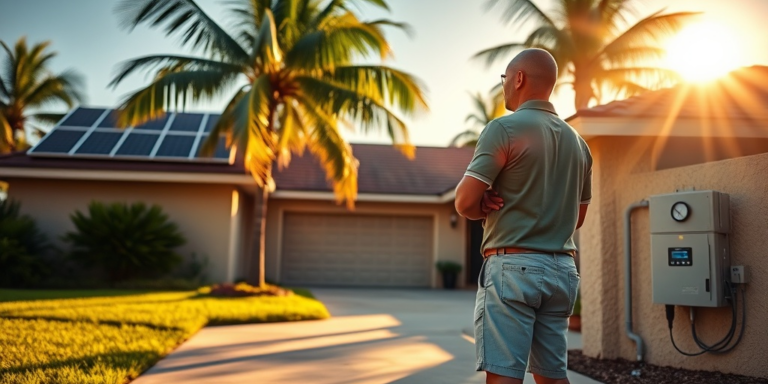
As the sun rises over the Gulf Coast, it casts a golden hue over homes and businesses alike, emphasizing a vital reality for Floridians: energy is becoming increasingly expensive and unpredictable. In fact, recent trends reveal that residential electricity prices in Florida have surged by an astonishing 14.1% between 2021 and 2022 alone (Energy.gov). With unpredictable storms and climate change impacting our electrical grid stability, and federal programs incentivizing solar energy adoption, there’s never been a more opportune moment to explore why Gulf Coast residents should consider solar battery storage solutions. This transformative technology not only enhances energy resilience but also significantly cuts costs, making it a smart choice for both homeowners and commercial property owners in 2025. In this article, we will delve into five distinct sections, uncovering the fascinating world of solar battery storage, its benefits, and how it positions you to thrive amid the energy crisis.
Understanding Solar Battery Storage: Why It Matters in Florida
Imagine Jane, a dedicated parent and small business owner in the heart of Tampa, who decided to ditch her reliance on the grid. After installing solar panels, she faced new challenges: inconsistent energy availability during evening hours and a growing frustration over rising electric bills. She soon discovered solar battery storage. With nearly 90% of Florida’s homes powered by air conditioning, she wanted to ensure that her family wasn’t left in the dark during peak demand hours when their grid was most strained (SEIA.org). Following her installation of a solar battery system, Jane not only regained control of her energy usage but also slashed her monthly bills by over 40%. If this scenario resonates with you, let’s explore how solar battery storage can redefine energy consumption for Gulf Coast residents.
As we hit the ground running in 2025, the landscape of energy consumption is rapidly changing. Interest in residential solar installations has risen by 35% since 2020, attributed to innovations in technology and attractive financing options (SolarReviews.com). Florida’s sunny climate is ideal for harnessing solar energy, and integrating battery storage into your solar system ensures you’ll harness energy even when the sun has set. Before we dive deeper, let’s preview what’s next in this exploration of why Gulf Coast residents should explore solar battery storage solutions:
- Innovative solutions explaining the core benefits of solar battery storage.
- An actionable checklist to help you transition to solar power.
- Sarcastic yet informative debunking of myths surrounding solar energy.
- A focus on Florida legislation and incentives that affect solar initiatives.
- An in-depth discussion on the technology driving home battery storage.
The Transformative Benefits of Solar Battery Storage
Solar battery storage is redefining how we consume energy today. For residents in Florida, this means greater self-sufficiency and resilience against power outages, especially during hurricane season. Here are some key benefits that you need to know:
- Enhanced Energy Independence: By storing excess energy generated during the day, you can power your home at night without relying on the grid. This is crucial during peak hours when energy rates can skyrocket.
- Cost Savings: A typical Florida homeowner can save an average of 20 to 30% on their electric bills through solar with battery storage. A solar battery can help you avoid high rates during peak times (SEIA.org).
- Emergency Backup Power: In the event of a power outage, solar battery systems can keep vital appliances running, maintaining comfort and safety during storms and outages.
- Environmental Impact: With a reduction in reliance on fossil fuels, solar battery storage significantly decreases your carbon footprint. The more homes that make the switch, the greater the impact on our environment.
- Increased Property Value: Homes equipped with solar energy systems and battery storage tend to have higher resale values. Buyers are looking for energy-efficient homes in Florida’s competitive real estate market.
If you’re looking to easily evaluate your options, consider the following checklist:
- Assess your energy needs: Determine your daily energy consumption to correctly size your solar panel and battery systems.
- Explore rebates and incentives: Research local, state, and federal programs offering financial assistance for solar installations. Currently, Florida offers grants and tax incentives for homeowners who transition to solar (NREL.gov).
- Review battery technology: Look at different battery technologies available on the market, including lithium-ion and lead-acid options, to find what suits your needs.
- Consult professionals: Work with a reputable solar provider that offers consultation services to guide your solar journey, ensuring you maximize your return on investment.
- Monitor performance: After installation, regularly check the performance of your solar system and batteries to ensure they function as intended.
Transitioning to solar battery storage may seem daunting, but understanding the foundational benefits can pave the way to a more sustainable future for you and your family.
Debunking Common Myths About Solar Power
Despite the increasing adoption of solar solutions, misconceptions about solar energy and battery storage remain prevalent. Let’s tackle some of the biggest myths head-on:
Myth #1: Solar Panels Only Work on Sunny Days
While solar panels generate the most electricity on sunny days, they can still produce energy on cloudy days. Modern solar technology has advanced significantly, allowing systems to capture sunlight and convert it into electricity in various weather conditions.
Myth #2: Solar Energy is Too Expensive
Though the initial investment can seem high, the long-term savings typically outweigh the upfront costs. With various financing options, rebates, and an investment tax credit, going solar in Florida makes financial sense (SEIA.org).
Myth #3: Solar Battery Storage Isn’t Worth It
Many think battery storage is unnecessary and too costly. However, for Florida’s hurricane-prone areas, a battery can be a lifeline during outages, providing you with essential power to maintain safety and comfort.
Myth #4: You Can’t Sell Your Excess Power
In Florida, net metering policies allow homeowners to receive compensation for the excess solar power generated and fed back into the grid. This means you can indeed profit from your solar investment.
Myth #5: Solar Energy Destruction to My Home’s Aesthetic
Many homeowners worry that solar panels will detract from their property’s value. In reality, aesthetically pleasing solar solutions are available, including solar shingles, which can enhance the look of your home.
As we work to dispel these myths, it’s important to focus on local policies and incentives that advance solar solutions in Florida.
Florida-Specific Legislation & Incentives for Solar
Florida is a great state for both solar power and battery storage, and its legislative landscape continues to evolve. The Sunshine State has numerous incentives for homeowners who invest in solar technology. Here’s what you need to know:
- Federal Investment Tax Credit (ITC): This program provides a 30% tax credit for the cost of solar panel installation, helping to offset the upfront investment.
- State Property Tax Exemption: Florida homeowners can enjoy a property tax exemption for solar energy systems, meaning their property value increases without added tax responsibility.
- Net Metering: This program allows homeowners to sell excess power back to the grid, providing credits that can help reduce future utility bills.
- PACE Financing: Property Assessed Clean Energy (PACE) financing options give Floridians access to affordable loans for renewable energy projects without upfront payments.
- Local Grants and Rebates: Various municipalities and local governments offer additional financial incentives for solar and storage installations, making it easier to adopt these technologies (NREL.gov).
Navigating this legislative and fiscal landscape can seem overwhelming, but it operates in your favor to facilitate a smooth transition to solar energy. Consulting with a local expert can enhance your understanding of these opportunities.
The Future of Solar Technology: Diving Deep into Storage Solutions
The evolution of solar battery technology holds tremendous potential in how we interact with energy. Start by understanding the components that are key to efficient solar energy systems:
- Solar Panels: These are the groundwork for all solar installations, converting sunlight to energy.
- Inverters: Inverters ensure that the direct current (DC) produced by solar panels is converted to alternating current (AC) suitable for home usage.
- Solar Battery Storage: These systems store excess energy for use during low production times, such as at night or during clouds, ensuring energy availability.
- Battery Management Systems (BMS): These high-tech systems monitor battery performance to optimize their lifespan and maximize their efficiency.
- Smart Energy Management Systems: Advanced systems enable users to analyze their energy flow, usage patterns, and adopt strategies to enhance energy efficiency.
As you consider these components, it’s crucial to gauge which technology best fits your energy needs. Investing in a reputable monitoring system guarantees optimal performance from your battery and solar panels over their lifespan.
Next Steps for Florida Solar Buyers in 2025
Embarking on your solar journey is a significant step toward energy independence, cost savings, and sustainability. Here’s a checklist of actionable steps to guide you:
- Step 1: Audit Your Electric Bill: Take a close look at your monthly electricity usage, identifying peak times and costs to determine your solar power needs.
- Step 2: Research Available Incentives: Understand your eligibility for tax credits, rebates, and financing options available specifically for Florida homeowners.
- Step 3: Consult with Solar Experts: Schedule a consultation with a trusted solar provider to evaluate your unique requirements and receive tailored recommendations.
- Step 4: Design Your System: Work with your chosen provider to design a solar and battery storage system that optimally meets your energy demands.
- Step 5: Installation and Monitoring: Once your installation is complete, invest in monitoring technology that assesses energy usage, ensuring your system’s longevity and efficiency.
Transitioning to solar energy is a journey filled with opportunities to enhance your lifestyle, create savings, and lead a more environmentally conscious existence.
As we wrap up our journey, it’s essential to remember the benefits that solar battery storage solutions can bring to Gulf Coast residents. Not only do these systems enhance energy resilience, but they also provide significant financial savings during this era of rising energy costs, ensuring you focus on what truly matters: your family and your future. Making the switch to solar is not merely a choice; it’s an investment in your home, your well-being, and the health of our planet.
Ready to start your solar journey in 2025? Connect with a certified expert at nyelectricandsolar.com today.
Related Articles
More insights about Battery Storage

Beginner’s Guide to Solar Battery Storage Essentials

Florida Homeowners: Unlock Benefits of Solar Battery Storage Today

7 Essential Steps for Solar Battery Storage Setup
Ready to Go Solar?
Have questions about solar energy? Our experts are here to help you make the switch to clean, renewable energy.