
How Florida Homeowners Can Benefit from Community Solar Programs
Share:
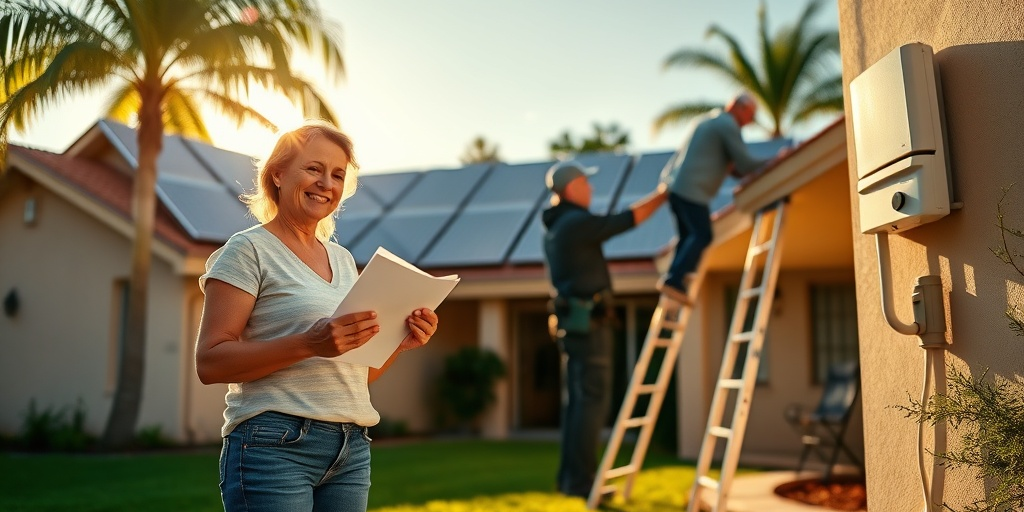
In an era of escalating energy costs, Florida homeowners are searching for sustainable, cost-effective solutions to power their homes. Did you know that solar energy could reduce your electricity bills by up to 50%? In addition, research shows that Florida ranks as one of the top states in solar energy potential, making it an ideal place for homeowners like you to explore alternative energy options (SEIA.org). That’s where community solar programs come into play. Our article today is titled How Florida Homeowners Can Benefit from Community Solar Programs. In the following sections, we’ll look into how these programs are revolutionizing energy access, sparking savings and sustainability among residents. The urgency of this topic cannot be overstated—2025 is nearing, bringing with it new solar incentives and an increased focus on renewable energy solutions to combat climate change and enhance energy independence. In this blog, you’ll discover five key areas: the transformative impact of community solar through a case study, a step-by-step checklist for getting started, a myth-buster segment to dispel common misconceptions, best practices for successful solar installations, and a comprehensive action plan tailored specifically for Florida homeowners.
Unlocking the Power of Community Solar: A Case Study
Meet Lisa, a single mother living in the sunny suburbs of Orlando. Like many Floridians, she has been grappling with increasing energy bills and uncertainty surrounding climate change. One day, she stumbled upon the concept of community solar. Intrigued, Lisa began researching local community solar programs and discovered that they can save her not only money but also contribute positively to the environment. In 2025, these programs are projected to provide energy savings for residents while ensuring they stay connected to the grid—without needing solar panels on their rooftops (Energy.gov).
Community solar works on the principle of shared energy resources. Residents buy shares or subscriptions in a solar farm, which generates clean energy that is then distributed to the local grid. Lisa enrolled in a community solar program that allowed her to benefit from solar energy, reducing her monthly utility bills by approximately 30% (NREL.gov). This savings empowered her to allocate funds towards her children’s education, making a positive impact on her family’s future.
Additionally, community solar programs have a significant impact on local economies. When homeowners invest in shared solar, they support job creation in construction, installation, and maintenance—key areas in Florida that have shown incredible growth. Florida’s community solar initiatives have created thousands of jobs statewide (SolarReviews.com), and they continue to grow as demand for renewable energy rises. Lisa’s experience showcases how engaging in community solar can bring about meaningful change for both individual families and the broader community.
- Step 1: Research local community solar programs through your utility company.
- Step 2: Determine if shares are available in your area and compare costs.
- Step 3: Enroll in a program that fits your energy needs and budget.
- Step 4: Monitor your savings monthly and adjust as needed.
- Step 5: Spread the word in your community about the benefits of community solar!
This case study of Lisa not only emphasizes the financial perks of participating in community solar but also highlights the vital link between individual choices and communal impact. As a Florida homeowner, you too can reap these benefits by staying informed about solar opportunities in your area. The advantages extend beyond just the bills—it’s about investing in a sustainable future for generations to come.
Essential Checklist for Participating in Community Solar
Considering participation in community solar programs? Here’s a concise checklist to ensure you explore all necessary avenues. These steps will help you maximize savings while transitioning to renewable energy.
- Step 1: Evaluate your energy consumption. Review your electricity bills from the past year to understand your energy usage patterns. This will help you choose an appropriate share in a community solar program.
- Step 2: Research available community solar initiatives. Several utilities and private companies operate community solar farms across Florida. Check each program’s details, including pricing, contract terms, and any enrollment costs.
- Step 3: Compare program benefits. Not all community solar programs offer the same benefits. Assess how much you can save, potential incentives, and how the energy generated will be credited to your utility bills.
- Step 4: Understand the enrollment process. Many programs allow flexible enrollment options. Make sure to clarify any commitments or penalties in case you decide to opt out later on.
- Step 5: Engage with other participants. Stay connected with other subscribers for valuable insights about performance and potential issues. They can be an incredible resource in navigating your community solar experience.
By following these straightforward steps, you empower yourself to take control over your energy costs and contribute to a more sustainable environment. Additionally, these initiatives not only help individual consumers but also build a cleaner, greener Florida, setting an example for others to follow.
Myth-Busting Common Misconceptions about Community Solar
While community solar programs are becoming increasingly popular among Florida homeowners, there are still many misconceptions that can deter potential participants. Here, we’ll debunk some prevalent myths about community solar to clarify any confusion.
Myth #1: Community solar is too expensive.
Many people believe that participating in community solar programs comes with high costs, but the reality is that many programs allow for low entry costs or require no upfront investment at all. Instead, homeowners often pay a monthly fee which may be significantly lower than their current electric bills (SolarReviews.com).
Myth #2: It’s just for those with large properties.
Some might think that only those with expansive land can benefit from solar energy. However, community solar is designed to include everyone—whether you rent, own your home, or live in an apartment. Shared solar programs allow costs to be distributed among participants, which reduces the burden on any one individual (Energy.gov).
Myth #3: There is no flexibility in participation.
People often assume that once they enroll in a community solar program, they are locked in for the long term. Many programs offer flexible contracts, allowing participants to adjust or cancel their subscriptions as needed (NREL.gov).
Myth #4: Only new solar farms are available.
While new solar farms are continually being constructed, many existing facilities allow new subscribers. By checking local utility companies or solar providers, homeowners can discover programs that are already operational and ready for enrollment (SEIA.org).
Myth #5: Community solar doesn’t support the local economy.
In reality, community solar creates jobs and stimulates the local economy. Each project employs construction workers, electricians, and other specialties, thereby fostering economic growth while also generating clean energy. The development of these programs has been significant for Florida’s labor market (SolarReviews.com).
With these myths busted, it’s clear that community solar programs are an achievable and beneficial option for homeowners. As you discover these truths, consider the opportunity that lies in participating in a local program that supports sustainable energy while also significantly conserving your finances.
5 Expert Solar Installation Tips for 2025
Looking to capitalize on solar energy in 2025? To ensure a smooth installation process and optimal energy generation, here are five expert tips…
- Prioritize the right location. The placement of your solar panels is crucial for maximum sun exposure. Be mindful of any surrounding structures that might cast shadows.
- Choose quality materials. Don’t compromise on equipment quality. Invest in well-reviewed panels, inverters, and batteries, which can offer better performance and longevity (NREL.gov).
- Work with certified installers. Engage professionals with extensive experience in installing solar within your region. Verify certifications and customer reviews for peace of mind.
- Understand net metering. Familiarize yourself with how net metering works in Florida; any excess energy your system produces can often credit you back on your electricity bill.
- Consider battery storage. While solar can produce energy during the day, consider adding battery storage for nighttime use and to maximize self-consumption of solar energy.
By adhering to these expert tips, you’ll be ensuring that your investment in solar yields both immediate and long-term benefits. In 2025, with the right approach, solar adoption will be more accessible and rewarding than ever for Florida homeowners.
Next Steps for Florida Solar Buyers in 2025
Ready to take charge of your energy future? Here’s a comprehensive action plan tailored specifically for Florida homeowners:
- Step 1: Audit Your Electric Bill. Review past bills to understand your usage and identify your savings potential.
- Step 2: Explore Community Solar Options. Research current community solar programs in your area and compare offers. Visit nyelectricandsolar.com for an extensive list of options.
- Step 3: Connect with Solar Experts. Consult with certified solar energy experts to discuss your individual situation, needs, and end goals.
- Step 4: Plan Financially. Evaluate potential savings and establish a budget for installation costs or participation in community solar programs.
- Step 5: Enroll and Enjoy the Benefits. Finally, enroll in your selected program and monitor your energy generation to realize the full benefits of your solar investment.
This action plan is designed to help you navigate the transition toward solar energy smoothly. The process may seem daunting, but each step brings you closer to owning your energy future and making a positive impact on the environment.
In conclusion, the landscape of energy generation is evolving, and Florida homeowners have an exceptional opportunity to benefit from community solar programs. As we grow more aware of our role in contributing to environmental sustainability and energy independence, there is an urgency to act by 2025. The statistics speak for themselves, but the real power lies in the personal stories like Lisa’s, where household savings free up resources for better futures. The time for solar energy is now—don’t let misconceptions hold you back from making the switch. Ready to start your solar journey in 2025? Connect with a certified expert at nyelectricandsolar.com today.
Related Articles
More insights about Community Solar

Florida Residents: 5 Reasons to Consider Community Solar Benefits

South Florida Community Solar Benefits: What Residents Should Know

Beginner’s Guide to Understanding Community Solar Benefits
Ready to Go Solar?
Have questions about solar energy? Our experts are here to help you make the switch to clean, renewable energy.