
How Much Can Solar Panel Installation Save You?
Share:
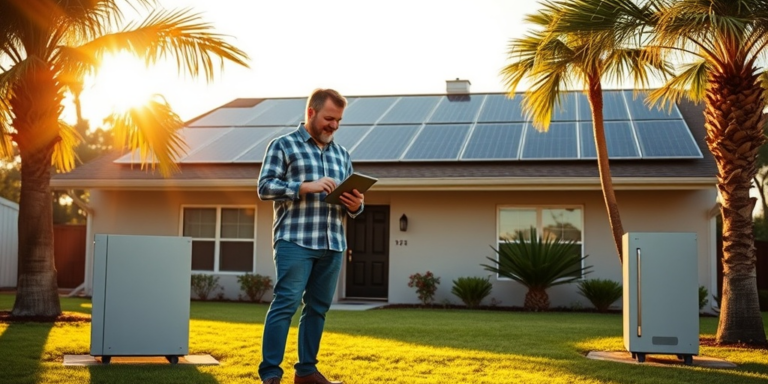
Imagine waking up every morning, not just to the beautiful Florida sun, but also to the comforting knowledge that your energy bills are significantly lower than they used to be. Surprising, right? According to a report by the Solar Energy Industries Association, Florida ranks third in the nation for solar energy growth, with an increase in installations of nearly 25% over the past year alone (SEIA.org). This begs the question: how much can **solar panel installation save you**? In today’s rapidly evolving energy landscape, understanding your potential savings has never been more urgent, especially as we head into 2025—a year that promises even more favorable solar policies and incentives geared toward helping homeowners and businesses alike. If you’re considering going solar, knowing potential utility bill savings can be the difference between hesitating and taking action.
In this guide, we’ll explore several key areas to provide you with a comprehensive understanding of solar savings. First, we will delve into a detailed case study highlighting a local Floridian’s experience with solar panel installation. This will be followed by a practical checklist for steps you can take to maximize your savings. We will debunk some prevalent myths surrounding solar energy, focus on Florida-specific statistics, and conclude with a technical deep dive into how solar systems work. Finally, we will provide a clear action plan for prospective solar buyers in Florida as we move into 2025. Let’s harness the sun and explore how much you can really save with solar panel installation!
Unlock Major Savings with Solar: A Floridian’s Journey
Picture this: a family living in the sunny heart of Orlando, struggling to keep up with soaring energy bills. The Johnsons, like many Florida homeowners, noticed a steady rise in their costs—over the past three years, their utility expenses had risen by 30%. When they first heard about solar panel installation, they were skeptical. Would it really make a difference? Or would it just be another added expense?
After doing some research and reaching out to experts, the Johnsons decided to give it a shot. They opted for a solar array that cost about $20,000 but qualified for the Federal Solar Tax Credit, which allowed them to deduct 26% of their system cost from federal taxes (NERS.gov). This brought their upfront cost down to $14,800. Fast forward six months, and they were ecstatic—their average monthly electric bill plummeted from $250 to under $50!
By now, you might be wondering just how these savings were calculated. Solar panel systems are designed to offset a significant portion of your electricity consumption, thus reducing your reliance on the grid. The savings can vary based on a number of factors, including system size, utility rates, and energy consumption patterns. However, homeowners generally see savings averaging between 50% and 70% on their monthly electricity costs after installation (SolarReviews.com).
Checklist: Steps to Maximize Your Savings with Solar
You now understand the potential for significant savings, but how do you get started? Here’s a practical roadmap:
- Step 1: Audit Your Electric Bill – Review your current electricity usage and costs. Understanding your baseline is crucial for calculating potential savings.
- Step 2: Research Local Incentives – Florida offers tax incentives and credits for solar installations. Familiarize yourself with available options through the Florida Electric & Solar website.
- Step 3: Choose the Right System – Consult with a solar provider to determine the best system size and type for your needs. Ensure it meets your home’s energy consumption patterns.
- Step 4: Understand Financing Options – Explore various financing plans available. From outright purchases to solar leases, there are many ways to offset initial costs.
- Step 5: Monitor Your Savings – After installation, keep track of your utility bills to verify your savings claims. Follow up with your provider to address any discrepancies.
By diligently following these steps, you’ll be well-equipped to optimize your savings and make a smart investment in solar energy.
Myth-Busters: Debunking Common Misunderstandings About Solar Energy
As solar energy gains traction, a plethora of myths keep emerging. Let’s debunk some of the most common misconceptions that may be holding you back from going solar.
- Myth #1: Solar is Too Expensive – Many believe the initial costs of solar panels are prohibitive. However, with federal tax credits and state incentives, installations have never been more affordable.
- Myth #2: Solar Panels Don’t Work in Cloudy Weather – While it’s true that solar panels produce less energy on cloudy days, they still capture sunlight. Florida’s ample sunshine ensures that solar is a viable option year-round.
- Myth #3: I Can’t Go Solar if My Roof is Shady – Even if your roof isn’t ideal for solar panels, you can consider ground-mounted systems or look for community solar programs that can offer savings without direct installation.
- Myth #4: Installing Solar Panels Decreases Home Value – On the contrary, homes with solar panels often see increased property values as buyers are attracted by lower utility costs and sustainability.
- Myth #5: Solar Panels Require Too Much Maintenance – Solar systems are highly durable and require minimal maintenance, usually just a yearly cleaning and an occasional inspection.
Understanding these myths is crucial as it frees homeowners from common fears and enables them to make informed decisions about solar energy.
Florida Insights: Why Going Solar Makes Sense Now
As a Florida homeowner, you have unique advantages that make solar installations especially beneficial. One of the most compelling statistics is that Florida is among the fastest-growing markets for solar energy in the United States (SEIA.org). This growth is driven largely by plentiful sunshine, favorable state legislation, and a growing public interest in renewable energy sources.
In addition to environmental benefits, going solar can shield you from rate hikes. Florida’s energy market has seen an average annual increase of about 3.7% over the past ten years. As utility prices soar, solar helps you gain autonomy over your energy costs (Energy.gov).
- 1. Bountiful Sunshine – Florida enjoys an average of 237 sunny days a year, making it an ideal location for solar energy harvesting.
- 2. State Energy Policies – Legislation in Florida is becoming increasingly favorable for solar adoption, including regulations that support net metering and renewable energy certificates.
- 3. Increased Awareness and Demand – Public interest in solar is at an all-time high, leading to more market competition and lower installation costs.
This combination of factors creates a win-win scenario: lower energy costs, increased home value, and positive environmental impacts. What’s not to like?
Next Steps for Florida Solar Buyers in 2025
As we approach 2025, stepping into the solar power realm is more straightforward than ever. Here’s a practical action plan you can follow:
- Step 1: Audit Your Electric Bill – Start by determining your energy usage and the associated costs. Understanding these figures is essential for calculating savings.
- Step 2: Research Financial Incentives – Explore tax credits and financial options through resources like Florida Electric & Solar to maximize your investment.
- Step 3: Choose a Reputable Provider – Select a solar installer with a strong local reputation to ensure you receive the best quality and service.
- Step 4: Monitor Your Progress – Track your savings post-installation to gauge performance and consult your installer for any necessary adjustments.
- Step 5: Advocate for Solar Energy – Join local advocacy groups to promote solar energy, helping others in your community learn about the benefits.
By following these actionable steps, you not only set yourself up for success but also contribute to a broader cultural shift towards sustainable energy in Florida.
In summary, transitioning to solar energy represents a remarkable opportunity for substantial savings and increased energy independence. As demonstrated by the Johnsons’ case and corroborated by extensive data, the financial implications of solar panel installation are both compelling and transformational. Investing in solar panels in 2025 isn’t just a choice; it’s a necessary shift towards a sustainable future. By leveraging local incentives, busting myths, and following actionable steps, you’ll be well on your way to maximizing your solar savings.
Ready to start your solar journey in 2025? Connect with a certified expert at nyelectricandsolar.com today.
Related Articles
More insights about Solar Panel

How Many Solar Panels Do You Need in Upstate New York?

Florida Homeowners: Why Solar Panel Maintenance Is Essential

7 Essential Steps for Solar Panel Installation Success
Ready to Go Solar?
Have questions about solar energy? Our experts are here to help you make the switch to clean, renewable energy.