
Myth-Buster: The Truth About Solar Panel Installation Scams
Share:
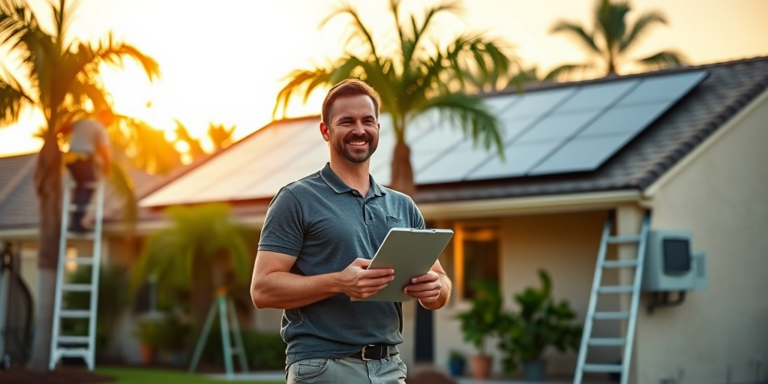
In the vibrant sunshine state of Florida, solar energy is no longer just a trend; it’s a growing necessity. Did you know that over 200,000 homes and businesses in Florida have already made the switch to solar power? This number is expected to soar in 2025 as more Floridians seek relief from rising electric bills and take advantage of new solar incentives. However, with this rapid growth comes a slew of misinformation and myths about solar panel installation scams that could cost you—financially and in the long run. In this comprehensive guide, titled Myth-Buster: The Truth About Solar Panel Installation Scams, we will unravel the truths behind common misconceptions and provide you with the tools to navigate the solar landscape confidently. As we approach 2025, understanding the truth about solar scams becomes ever more urgent due to rising energy costs and increasing grid instability across the U.S. To keep you informed and safe, we’ll cover five critical sections:
- Real-Life Case Studies of homeowners who encountered scams.
- A practical Checklist for spotting potential solar scams.
- Important Myths about solar installation debunked.
- A detailed look at Florida-specific laws and their effect on solar installations.
- A Technical Deep Dive into how to choose the right solar equipment.
By pressing ahead, you’ll not only learn to protect yourself from potential scams but also become empowered to invest in solar energy confidently. Let’s shine a light on these myths!
Real-Life Case Studies: Navigating the Murky Waters of Solar Scams
The journey of Florida homeowners towards solar energy can be exciting and fulfilling, but for some, it can be fraught with deception and uncertainty. Let’s take a closer look at a compelling case that highlights the importance of vigilance when exploring solar installation options.
Meet Jane, a homeowner in Orlando eager to reduce her electric bill while contributing to a sustainable future for her family. Intrigued by the possibility of solar energy, Jane began researching local solar companies. Not long after, she received a call from a representative of a new solar installer claiming to offer exclusive pricing that was “too good to be true.” Tempted by the offer, Jane eagerly arranged for an in-home consultation.
During the appointment, the representative emphasized the urgency of signing a contract, boasting about the system’s projected savings of 75% on her energy bills in the first year alone. The pressure mounted, and Jane felt as though she had to decide then and there. Unsurprisingly, after signing the contract, Jane discovered that the promised savings were unrealistic and the installation quality left much to be desired.
This story serves as a cautionary tale. According to the Solar Energy Industries Association (SEIA), there are numerous reports of unscrupulous entities leveraging aggressive sales tactics combined with misleading information—creating a breeding ground for scams (SEIA.org). Some Floridians fall victim to these scams due to the lack of preparedness when encountering shady deals. To avoid ending up like Jane, let’s explore a checklist of steps that can help anyone identify potential solar scams.
Your Ultimate Solar Scam Prevention Checklist
To ensure you’re well-prepared to navigate the nuances of solar installations, consider this comprehensive checklist:
- Research the Installer: Look for customer reviews, testimonials, and the company’s track record with local authorities. Are they certified and accredited?
- Compare Multiple Quotes: Don’t settle for the first proposal you receive. Compare pricing and offerings from various companies to identify any discrepancies.
- Verify Licensing and Insurance: Ensure that any company you consider is fully licensed and insured within Florida. Lack of proper licensing is a red flag.
- Be Wary of Pressure Tactics: Scammers often use high-pressure sales tactics. If a deal feels rushed or too good to pass up, slow down your decision-making.
- Understand Your Contract: Read through all contract terms in detail. Do not sign anything unless you understand every line; ask lots of questions to clarify uncertainties.
Taking these precautionary steps significantly reduces your chances of becoming a victim of a solar scam. It’s essential to stay informed and vigilant as you make decisions regarding your solar energy journey. Remember, not only is it your investment at stake, but your long-term savings and energy independence are also on the line.
Myth-Buster: Debunking Common Solar Panel Installation Misconceptions
As interest in solar energy increases among Florida homeowners, so do the myths surrounding it. Let’s tackle some of the most prevalent misconceptions that could lead you astray!
Myth #1: Solar Panels Are Way Too Expensive
Many people still believe that the installation of solar systems is an exorbitant expense that only wealthy homeowners can afford. In reality, the cost of solar panels has decreased dramatically—by about 70% over the last decade. Additionally, federal tax credits and local incentives help significantly reduce the initial investment (Energy.gov).
Myth #2: Solar Panels Don’t Work in Cloudy Weather
While it’s true that solar panels are most efficient in direct sunlight, they still function effectively on cloudy days. Studies show that solar panels can produce up to 30% of their energy output even when it’s overcast (SolarReviews.com). Floridians can take comfort in knowing that with ample sunshine throughout the year, solar remains a viable option.
Myth #3: A Roof Needs to Be Replaced Before Going Solar
It’s a common misconception that homeowners must replace their roofs before installing solar panels. However, many solar installers will evaluate roof condition first and can often work with you to determine whether your current roof can handle the installation. If repair is needed, they may suggest doing it before solar installation, but it’s not an absolute requirement (DSIREUSA.org).
Myth #4: Solar Panels Require a Lot of Maintenance
Actually, solar panel maintenance is minimal. Routine cleaning and annual inspections are typically all that’s necessary to keep your system in optimal shape (NREL.gov). By utilizing efficient technology in today’s systems, homeowners can enjoy the benefits of solar with little hassle.
Myth #5: Going Solar Isn’t Worth It Compared to Traditional Energy
Many skeptics argue that the initial cost of solar doesn’t provide enough value over time. However, numerous studies demonstrate that solar energy can save homeowners thousands of dollars over years of reduced utility bills, especially in states with high electricity costs, like Florida (SEIA.org). The financial benefits, alongside the environmental impact, make solar undeniably worthwhile.
By dismantling these myths, we empower Florida homeowners to look beyond the misinformation and recognize the true potential of solar technologies. Next, we’ll focus on Florida’s unique landscape and legal framework that shapes solar power options.
Florida-Specific Laws & Regulations Impacting Solar Installations
Understanding state laws and regulations regarding solar energy is essential for homeowners considering this investment. In Florida, several elements make the landscape unique, and being aware of these can inform your decisions.
- Net Metering: Florida is one of approximately 40 states that allow net metering, meaning you can receive credits for excess electricity produced by your solar panels. These can offset future electricity bills, significantly enhancing the financial appeal of solar installations.
- Sales Tax Exemptions: Florida currently offers a sales tax exemption for solar panel installations. This policy helps homeowners save thousands of dollars upfront, making solar energy more accessible (Florida Solar Energy Center).
- Property Tax Incentives: Going solar may also provide property tax benefits, as homeowners in Florida are not penalized with increased property taxes for the added value of solar installations. These kinds of incentives make Florida one of the best states for solar investment.
Understanding these financial benefits and regulatory frameworks helps you not only make an informed decision but optimize your financial returns. And as we gear up for 2025, these incentives could change, so Florida homeowners should act sooner rather than later.
Technical Deep Dive: Choosing the Right Solar Equipment for Your Needs
Investing in solar is a commitment, and choosing the right equipment is crucial for maximizing your returns. Below we will analyze the different components of solar systems that every homeowner should consider:
- Solar Panels: The two main types are monocrystalline and polycrystalline. Monocrystalline panels tend to be more efficient and have a higher power output than polycrystalline panels. If you have limited rooftop space, opting for monocrystalline might be the best route.
- Inverters: Solar inverters convert the energy collected by solar panels into usable electricity. There are string inverters and micro-inverters; the latter can optimize energy output if you’re facing shading issues.
- Battery Storage Systems: With advances in battery technology, homeowners can now store excess energy generated during the day for use at night. This can lead to even greater savings, especially during peak demand hours.
Choosing quality equipment from reputable manufacturers is essential. A solid warranty can provide peace of mind; many reputable manufacturers now offer warranties ranging from 25 years to lifetime. Take the time to ask experts at spots like nyelectricandsolar.com to help you assess your options and match equipment to your specific energy needs.
Next Steps for Florida Solar Buyers in 2025
Thinking about going solar in 2025? Now is the time to take action! Follow our compiled checklist to make the process as seamless as possible.
- Step 1: Audit Your Electric Bill: Analyze your past electric bills to determine your current costs. This will help in understanding the savings once you switch to solar.
- Step 2: Research Local Installers: Utilize online resources to compare local solar companies—check reviews, ratings, and certifications to find reliable contractors.
- Step 3: Schedule Consultations: Reach out to multiple installers to get estimates and discuss options tailored to your needs. Make sure to gather all relevant information regarding financing options and warranties.
- Step 4: Evaluate Financing Options: Consider various financing methods such as solar loans, leases, or Power Purchase Agreements (PPAs). Each option has different implications for ownership and long-term savings.
- Step 5: Read Everything Before Signing: Ensure you understand every component of your contract, including warranties, project timelines, and payment schedules before you sign.
By following these steps, Florida homeowners can ease the transition to solar, mitigating common pitfalls that may arise along the way. Don’t hesitate to reach out for expert guidance—consider leveraging the resources at nyelectricandsolar.com.
In conclusion, as we stand on the precipice of 2025, the anticipation for solar energy growth in Florida is palpable. It’s vital for homeowners to separate fact from fiction when navigating this evolving landscape. By identifying common myths, understanding Florida-specific laws and regulations, and opting for the right equipment, you not only protect yourself from potential scams but also empower yourself to make sound decisions. Transitioning to solar energy is a significant investment that can create lasting benefits—not just in terms of financial savings, but for future generations.
Before making your decision, remember the urgency of embracing solar power in this changing environment. Taking these steps can help you not only save money but also secure a sustainable future for your family. Ready to start your solar journey in 2025? Connect with a certified expert at nyelectricandsolar.com today.
Related Articles
More insights about Solar Panel

How Many Solar Panels Do You Need in Upstate New York?

Florida Homeowners: Why Solar Panel Maintenance Is Essential

7 Essential Steps for Solar Panel Installation Success
Ready to Go Solar?
Have questions about solar energy? Our experts are here to help you make the switch to clean, renewable energy.