
Myth-Buster: Unveiling the Truth About Solar Scams to Avoid
Share:
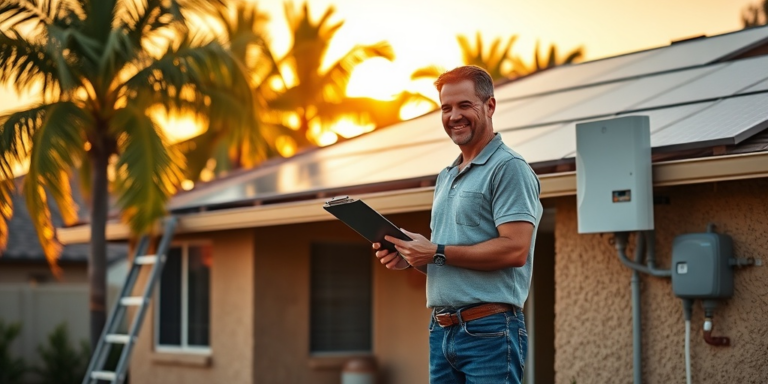
As the sun rises over the beautiful landscapes of Florida, homeowners are increasingly looking for ways to harness its power—both to save money and to contribute to a more sustainable future. But amidst the excitement surrounding solar energy, a shadow lurks: the prevalence of solar scams. Did you know that, according to a recent study, fraud in the solar industry costs consumers millions of dollars each year? Moreover, a staggering 30% of homeowners experience some form of misleading claims or practices when considering solar installations (SolarReviews.com). This is why understanding the reality behind solar scams is more important than ever, especially as 2025 brings new solar incentives and a renewed interest in clean energy solutions. In this comprehensive blog post, titled “Myth-Buster: Unveiling the Truth About Solar Scams to Avoid,” we will explore the common myths surrounding solar energy, analyze the various ways consumers can protect themselves, and empower Florida homeowners with knowledge to make informed solar decisions.
The quest for solar power is fraught with challenges and misconceptions. In the following sections, we will take a deep dive into the landscape of solar energy, including:
- The Reality of Solar Scams – A case study highlighting actual homeowner experiences.
- Essential Steps to Protect Your Investment – A checklist that ensures your solar journey is scam-free.
- Myth-Busting Common Misconceptions – A breakdown of widespread beliefs that could lead you astray.
- Local Focus on Florida’s Solar Landscape – Data and legislation that impact Floridians looking to go solar.
- Technical Aspects of Solar Energy – An analysis of how solar billing works to avoid pitfalls.
As we approach 2025, the need to arm ourselves against misleading claims in the solar industry becomes urgent. Join us on this enlightening journey to unveil the truth about solar scams and how to sidestep them effectively!
The Reality of Solar Scams: A Homeowner’s Tale
Meet Sarah, a Florida homeowner who was eager to reduce her electric bill with solar power. Thrilled by the prospect of energy independence and sustainability, she dove head-first into the process, only to become entangled in a web of misleading claims and pressure tactics. Sarah was approached by a solar company offering her an unbelievable deal—installing solar panels with zero out-of-pocket expenses. Excited and overwhelmed, she signed the agreement without fully understanding its terms. Just a month later, Sarah noticed unexpected fees and unwelcome changes in her financing options that she hadn’t anticipated.
This scenario is not just a fictional account; it reflects the experiences of many Florida homeowners. In fact, more than 10% of solar installations were reported being misunderstood by consumers due to aggressive sales methods in 2022 (Energy.gov). Sarah learned the hard way that understanding what you’re getting into is crucial in navigating solar investments.
Here’s a quick checklist for potential solar buyers to help safeguard their investments:
- Do Your Research: Before choosing a solar company, research their history, customer reviews, and compliance with state regulations.
- Understand Financial Obligations: Make sure you’re clear on what you’ll owe both upfront and in the long run. Read every detail of contractual agreements.
- Avoid High-Pressure Sales: Legitimate companies won’t rush you into signing contracts. Take your time to examine your options.
- Ask for References: Don’t hesitate to ask the company for references from past clients. A reputable company will readily provide them.
- Know Your Rights: Familiarize yourself with state laws governing solar installations and consumer rights.
Myth #1: “Solar panels are guaranteed to pay for themselves in a few years.”
While solar panels can reduce electric bills significantly, the payback period varies greatly based on the type of system, local incentives, and energy usage patterns. Be cautious of companies that promise unrealistic returns, as the average payback period in Florida is approximately 5 to 10 years (SEIA.org).
Myth #2: “All solar panels are created equal.”
Not true. The efficiency, warranty, and longevity of solar panel brands significantly differ. Research indicates that higher-quality panels often perform better and have longer lifespans, making the initial investment worth it. Choosing reputable manufacturers can save you in the long run (SolarReviews.com).
Myth #3: “I can’t go solar if I don’t own my home.”
Many leasing options exist for renters and those who don’t own a rooftop. Solar farms and community solar projects are becoming more popular, especially in Florida, allowing individuals to benefit from solar energy without direct ownership.
As demonstrated by Sarah’s story, awareness is vital when navigating the solar industry in Florida. Knowledge is power; thus, knowing the correct steps to take and recognizing common scams will help you avoid grief down the line. Now let’s delve deeper into another essential aspect: understanding the local landscape and making informed decisions.
Essential Steps to Protect Your Investment
As the solar market expands in Florida, so do the risks associated with it. As a Florida homeowner, you can find solace in knowing that not all solar companies engage in dishonest practices. However, you must equip yourself with the right knowledge to discern the reputable from the unscrupulous. Here are vital steps to take to ensure your solar journey is filled with success and devoid of scams.
- Step 1: Audit Your Electric Bill – Understanding your energy usage can guide decisions on solar panel size and expected savings. Monitor your electricity consumption for at least one year to gain accurate insights.
- Step 2: Invest Time in Research – Explore multiple solar companies, comparing price quotes, warranty offerings, and customer satisfaction. Look for firms accredited by the North American Board of Certified Energy Practitioners (NABCEP).
- Step 3: Verify Licenses and Certification – Before signing contracts, ensure that the solar contractor holds the necessary licenses and certifications to operate in Florida.
- Step 4: Seek Detailed Contracts – A good contract should outline all terms, conditions, warranty details, and any potential costs associated with installation, maintenance, and penalties.
- Step 5: Remain Aware of Financing Options – Look into various financing methods—purchase, lease, or power purchase agreement (PPA)—and choose one that aligns with your financial capabilities.
Recent studies show that Florida has become a national leader in solar installations, with over 1.5 million solar panels installed across the state in 2022 alone (SEIA.org). This signifies a growing community of knowledgeable solar users. By following these steps, you will not only protect yourself from scams but also position yourself to take full advantage of upcoming incentives in 2025.
Now that we’ve identified essential measures to safeguard your solar investment, let’s explore some prevalent myths that consumers may come across—myths that could lead to poor decisions or conflicts with solar providers.
Myth-Busting Common Misconceptions
In the world of solar energy, miscommunication and falsehoods can lead to significant pitfalls. The following myths are commonly circulated among consumers, but it’s time to debunk them. Let’s slice through the misinformation that surrounds solar and set the record straight.
Myth #1: “Solar energy is only for wealthy homeowners.”
This belief could not be farther from the truth. With various financing options, government incentives, and even community solar projects, solar energy is increasingly accessible to households at all income levels. The federal solar tax credit allows homeowners to deduct 26% of the total cost of solar installation from their taxes, providing significant financial relief (Energy.gov).
Myth #2: “Solar installations are too complicated.”
Modern advances in solar technology have made installations relatively seamless. Reputable companies handle the majority of the process for consumers, from permits to installation, ensuring minimal disruption to their lives. Plus, many companies offer comprehensive warranties and support after the installation process (SolarReviews.com).
Myth #3: “I’ll need to change my roof to install solar panels.”
This is often exaggerated. Many roofs can accommodate solar panels without structural changes. However, if your roof is nearing the end of its lifespan, it might be prudent to make repairs or consider replacing it to avoid future headaches (Energy.gov).
Myth #4: “Every company is basically the same.”
In reality, quality varies significantly between solar providers. Some are legally licensed and credible, while others cut corners to save costs. Researching reviews, services offered, and customer support is vital to avoiding scams (SolarReviews.com).
Myth #5: “I’ll be off the grid completely.”
Unless you’re investing in a full battery storage system, most homeowners remain connected to the utility grid. This connection allows them to draw power when needed and sell back excess energy, creating a beneficial relationship with their utility company (NREL.gov).
Challenging these common myths equips Florida homeowners with the insight needed to navigate the solar landscape confidently. With knowledge grounded in reality, you can make decisions that will maximize your solar benefits and safeguard your investment against potential scams.
Local Focus on Florida’s Solar Landscape
Florida’s solar industry has witnessed extensive growth in recent years, evolving into a significant player in the renewable energy sector. This expansion offers Floridians several opportunities to embrace clean energy, though it’s not devoid of challenges. Understanding the local context can help you navigate your solar journey effectively.
In Florida, the push toward solar energy is supported by a favorable climate, abundant sunlight, and legislative incentives. However, certain regulations impose specific requirements that consumers must adhere to when going solar. Here are some points of note:
- Net Metering: Florida has net metering policies to compensate solar energy users. Homeowners receive credits on their utility bills for excess energy generated, though stipulations exist depending on the utility provider.
- Property Tax Exemptions: Many Florida counties offer property tax exemptions for homeowners who install solar systems. This means that the value added to your home from solar energy is not taxed, an added financial benefit (Florida Solar Energy Center).
- State Incentives and Rebates: With state initiatives in place, Florida encourages solar installations through various grant programs designed to assist eligible homeowners with financial support.
However, keep in mind that recent shifts in incentive policies have led to confusion for consumers. Some solar companies exploit these uncertainties, leaving innocent homeowners caught off guard. Practicing vigilance and performing thorough research can help you distinguish reputable contractors from those looking to exploit the system.
As solar energy continues to gain traction in Florida, being informed about local laws and recent developments will empower you to make thoughtful decisions and construction claims without falling prey to scams.
The Technical Aspects of Solar Energy: Understanding Your Bill and Beyond
Diving into the world of solar energy means awakening to a new language and different financial structures. Understanding how billing processes work after your installation can help you maximize your savings and avoid misunderstandings with your utility company.
One essential aspect to grasp is how net metering operates. When you generate excess solar energy, your utility provider credits you for the produced energy at a rate set by the state. Familiarizing yourself with these structures will help you monitor your savings and track the return on investment accurately.
Here’s how to interpret your solar-related bills effectively:
- Understand the Basic Charges: Identify fixed charges, which you will continue to pay regardless of solar energy production. This understanding helps you calculate your net savings.
- Monitor Usage: Use monitoring systems provided with solar installations to analyze energy consumption and generation levels. This information allows you to gauge how much you’re saving each month.
- Keep Track of Credits: Ensure you’re receiving the proper credits on your bills for the energy produced. Report any discrepancies immediately and hold utility companies accountable.
Being proactive with understanding your utility bills goes a long way in ensuring that you have a successful solar installation journey. This awareness can be the difference between maximizing savings and falling victim to low-quality installations or deceptive billing practices.
As we wrap up this myth-busting journey, it’s time to consider the final steps every Florida homeowner should take before embarking on their solar journey in 2025.
Next Steps for Florida Solar Buyers in 2025
As we step into 2025, it’s important to have a well-defined action plan to ensure your solar investment is robust and safeguarded from potential scams. Here’s how to navigate the waters effectively:
- Step 1: Audit Your Electric Bill Thoroughly – Dive deep into your energy consumption patterns and identify any chances for solar savings.
- Step 2: Research Reputable Solar Companies – Investigate local firms, focusing on customer reviews and verifying accreditations. Aim for companies with a good track record and solid warranties.
- Step 3: Get Multiple Quotes – Don’t settle for the first offer you receive. Gather various quotes to compare pricing, installation options, and technologies offered.
- Step 4: Inquire About Financing Options – Evaluate your financial capacity and understand the different payment methods available to you. Remember to discuss potential tax credits and rebates.
- Step 5: Consult with Experts – Before finalizing your solar plans, connect with professionals to clarify any doubts or concerns. Leverage resources from nyelectricandsolar.com to gain insights that can guide your decision.
Solar energy holds tremendous promise for Florida homeowners, providing financial savings and a chance to contribute to a greener world. By following these steps, you will be well-prepared to embark on your journey without falling prey to scams. Remember that the transition to solar power is a significant investment that requires careful consideration and planning.
As we conclude this extensive exploration of solar energy and the myths surrounding it, the most essential takeaway is to remain curious and vigilant. Through education and awareness, we can avoid the pitfalls and truly embrace the power of solar energy. Prepare yourself for the upcoming changes in 2025, and take the necessary steps toward your solar journey.
Ready to start your solar journey in 2025? Connect with a certified expert at nyelectricandsolar.com today.
Related Articles
More insights about Solar Scams

Warning: Don’t Overlook These Solar Scams to Avoid

Don’t Miss This Critical Alert About Solar Scams

Don’t Ignore These Critical Solar Scams to Avoid
Ready to Go Solar?
Have questions about solar energy? Our experts are here to help you make the switch to clean, renewable energy.