
Myth: Off-Grid Solar Systems Are Automatically More Expensive
Share:
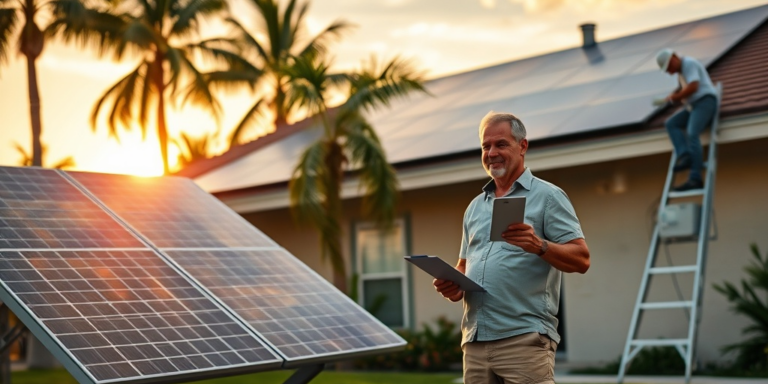
When it comes to solar power, many myths persist, leading to confusion and hesitation in decision-making. One prevalent belief is that off-grid solar systems are automatically more expensive. This perception can discourage Florida homeowners and commercial property owners from exploring this sustainable energy solution. In truth, off-grid solar systems can be cost-effective, especially considering the rising energy costs and the new incentives available in 2025. For instance, the average residential solar system saves homeowners nearly $1,500 annually on electricity bills (Energy.gov), and with the federal solar investment tax credit at 26%, the time to explore solar is now. Let’s dismantle this myth and unpack the cost-effectiveness of off-grid solar systems. This blog will cover a comprehensive deep dive into common misunderstandings about off-grid systems, actionable steps for adopting solar energy, expert advice on installation, real-world narratives from fellow Floridians, and a strategic action plan for transitioning to solar. Prepare to become an informed solar consumer in 2025!
Understanding Off-Grid Solar Systems: The True Cost Breakdown
To tackle the misconception that off-grid solar systems are automatically more expensive, it’s essential to explore the various elements that constitute the costs involved. Many potential buyers picture a hefty price tag simply because they associate off-grid systems with energy independence — a status that seems to command a premium price. The fact, however, is that off-grid systems can be tailored to fit various budgets and can result in long-term savings that surpass the initial investment. Moreover, Florida’s increasing grid instability, evidenced by a 37% rise in electricity rates since 2000, makes the independence provided by off-grid solar systems increasingly appealing (SEIA.org).
Here’s a brief case study: Take the story of the Fernandezes, a family residing in Cape Coral. They faced high electric bills for years. After research and consultation, they discovered that they could implement an off-grid solar system for about $15,000 after incentives. By switching to solar, their bills dropped to almost zero. They now enjoy their savings while using their panels to charge their electric vehicle and run household appliances. It’s a prime example of how the upfront investment can yield an excellent return over time.
- Consider Your Location: Understand your local climate and potential sunlight exposure. Florida boasts significant sunshine compared to many states, enhancing solar panel efficiency.
- Assess Your Energy Needs: Evaluating your energy consumption allows you to customize your solar system, meaning you’ll only pay for what you truly need.
- Explore Financing Options: Many solar financing programs are available to help manage the initial costs. In some cases, monthly payments can be lower than your previous electric bill.
- Incorporate Battery Storage: Investing in high-quality battery storage might initially inflate costs but will allow for self-sufficiency and savings in the long run by using your stored energy at night.
- Long-Term Forecasting: Analyze the long-term projections. With rates of electricity continuously rising, solar can provide a hedge against future rate increases.
Busting Myths: What You Need to Know About Cost and Off-Grid Solar
Many factors contribute to misconceptions around off-grid solar systems being inherently expensive. Let’s address those myths head-on to clear up confusion.
Myth #1: Off-Grid Systems Are Only for Wealthy Homeowners
Contrary to common belief, off-grid systems are accessible to homeowners from all walks of life. Financial incentives such as tax credits and grants can significantly offset the initial investment, making solar installation feasible for many budgets.
Myth #2: Off-Grid Systems Cannot Be Affordable
While upfront costs may be higher than traditional grid-tied systems, the long-term savings can be beneficial. With smart planning, off-grid systems can lead to savings greater than those associated with standard grid access, especially in Florida, where electricity rates are among the highest in the nation.
Myth #3: Off-Grid Systems Don’t Work in Cloudy Weather
Even though Florida enjoys abundant sunshine, cloudy days happen. The good news is that most modern solar panels can still generate electricity effectively in such conditions, especially when combined with battery systems that store excess energy.
Myth #4: All Parts of an Off-Grid System Are Unregulated
While there are workarounds to building permits and other regulations, reputable installers adhere to Florida’s stringent guidelines to ensure customers receive safe, quality setups. This ensures not only safety but also reliability of the system.
Myth #5: Maintenance for Off-Grid Systems Is Too Complicated
Homeowners often fear that maintaining off-grid systems involves tedious upkeep. In reality, with proper installation and high-quality components, these systems require minimal maintenance, often comparable to a traditional system. Regular checks and occasional cleaning of solar panels can keep the system running efficiently.
Maximizing Your Solar Investment: Five Expert Tips
Transitioning to solar can feel overwhelming, but it doesn’t have to be. Here are five expert installation tips to successfully navigate the process in 2025.
- 1. Perform an Energy Audit: Start with a deep dive into your energy consumption. This will inform the size and capacity of the solar system you need and help identify any energy-efficiency improvements.
- 2. Choose the Right Installer: Selecting a reputable solar installer is critical. Look for companies with solid reviews, necessary certifications, and experience with off-grid systems. A good installer helps maximize your ROI.
- 3. Invest in Quality Components: Don’t skimp on panels, batteries, or inverters. High-quality components provide better efficiency and durability, ultimately affecting your system’s performance and lifespan.
- 4. Optimize Panel Placement: Positioning your panels correctly can significantly enhance energy output. A south-facing roof is typically ideal, but consult an expert to analyze your situation for optimal results.
- 5. Plan for Storage Needs: Battery storage is vital for off-grid systems. A well-structured battery system ensures you have sufficient energy during off-peak hours and unreliable weather.
The Future of Solar: A Florida Homeowner’s Journey
To truly grasp the journey of going solar, let’s step into the life of a fictional Florida homeowner, Maria. Living on a limited budget in Jacksonville, Maria was initially skeptical about the feasibility of installing an off-grid solar system. After reaching out to a local expert at Florida Electric & Solar, she learned about available incentives and financing options. Determined to own her power, Maria invested in an affordable off-grid system.
Over the next few months, Maria witnessed a remarkable transformation. Not only did her electricity bill decrease to practically zero, but she also enjoyed a level of independence previously unheard of. Maria now proudly shares her journey, demonstrating how off-grid solar can truly empower homeowners, especially in a state with surging electric costs.
- Research Solar Options: Like Maria, start by exploring various solar technologies available. Ensure you’re considering both grid-tied and off-grid options.
- Understand Financial Incentives: Many programs can help homeowners significantly cut costs. In Florida, initiatives like property tax exemptions and the federal solar tax credit can make a notable difference (NREL.gov).
- Consult with Specialists: Work with certified installers to understand installation processes better and learn about system performance impacts.
- Monitor Your System: After installation, keep track of energy production and consumption to ensure your system is working effectively and efficiently.
Your Roadmap to Solar Success in 2025
Thinking about transitioning to solar? Here’s a comprehensive action plan to help Florida buyers take the first steps toward becoming energy-independent in 2025.
- Step 1: Audit Your Electric Bill: Gather your utility bills to identify your energy consumption patterns. This info will help determine your solar system needs.
- Step 2: Research Financial Incentives: Investigate available tax credits, rebates, and financing options. These can significantly reduce your out-of-pocket expenses.
- Step 3: Consult a Trusted Installer: Reach out to reputable solar companies like Florida Electric & Solar to discuss your goals and explore tailor-made solutions.
- Step 4: Determine Your Needs: Based on your energy audit, assess your energy needs and consider how battery storage can enhance your system’s effectiveness.
- Step 5: Install and Monitor: Proceed with the installation, and afterward, regularly check performance to ensure your system is operating optimally.
By taking these steps, Florida homeowners can transform their energy sources, cut electricity costs, and secure a sustainable future.
In closing, understanding that the myth that off-grid solar systems are automatically more expensive simply isn’t true opens the door for many Floridians wanting to transition to renewable energy. From the case studies of families saving thousands to the expert advice peppered throughout this piece, there is no better time to consider going solar. Making informed decisions today can lead to substantial financial savings down the line, while also enabling you to take control of your energy future against the backdrop of rising costs and grid instability.
Ready to start your solar journey in 2025? Connect with a certified expert at nyelectricandsolar.com today.
Related Articles
More insights about Off-Grid Solar

Myth-Buster: Off-Grid Solar Systems Are Not Always Unaffordable

What You Need to Know About Off-Grid Solar Systems

How One Florida Business Reduced Costs with Off-Grid Solar Systems
Ready to Go Solar?
Have questions about solar energy? Our experts are here to help you make the switch to clean, renewable energy.