
Myth: Solar Panel Installation Only Benefits Owners of New Homes
Share:
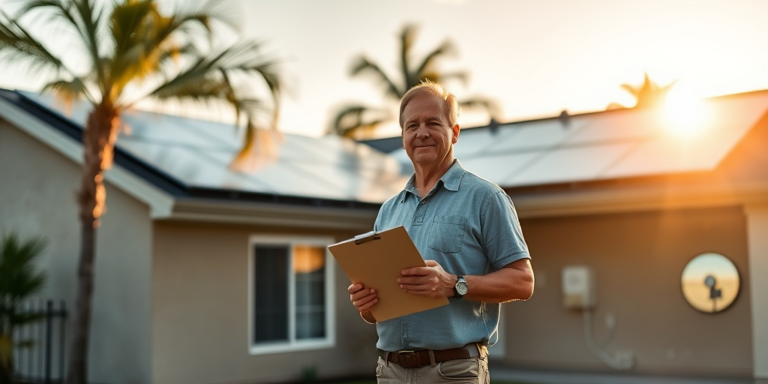
In the realm of home improvement and energy efficiency, there remains a persistent myth that has clouded the understanding of solar panel installation: “Solar panel installation only benefits owners of new homes.” For many Florida homeowners, this misconception is not only misleading but also potentially costly. In fact, older homes can experience just as significant, if not more substantial, benefits from solar energy installations. Presently, the average Floridian home showcases a 20% decrease in electricity costs after transitioning to solar (Energy.gov), and market trends indicate a 40% increase in home values due to energy-efficient upgrades (SEIA.org). As we approach 2025, the urgency to debunk this myth intensifies with rising energy prices and an evolving policy framework favoring solar installation. This blog post, titled “Myth: Solar Panel Installation Only Benefits Owners of New Homes,” aims to clarify these misconceptions, highlighting the possibilities for older homeowners and how they can maximize their investments in solar energy. In this article, we will explore the benefits of solar installations for older homes, present actionable checklists, debunk common myths, focus on local data relevant to Florida homeowners, and delve deep into technical aspects of solar technology.
Expanding the Myth: Solar Panels Aren’t Just for New Homes
Consider the story of Jennifer, a long-time resident of St. Petersburg living in a charming 1970s home. For years, Jennifer’s electric bills fluctuated, leaving her struggling to understand how to manage costs effectively. When her neighbor installed solar panels and shared their impressive savings, Jennifer felt a flicker of curiosity amid her skepticism. Like many, she believed that solar energy investments were primarily meant for sleek, modern builds, not older properties like hers. However, after conducting research and meeting with a local expert at nyelectricandsolar.com, she discovered the extensive savings solar could produce, debunking the myth that solar panels are ineffective for older homes.
This scenario is far from unusual. Many homeowners fear that outdated wiring or roof conditions will negate the benefits of solar energy. Yet, the truth is that thousands of homes across Florida, irrespective of their age, are tapping into solar. To help you understand how older properties can benefit from solar installation, we have prepared a comprehensive checklist:
- Evaluate Your Roof’s Condition: A strong roof is essential for solar panel longevity. Schedule a professional assessment to determine if repairs are needed.
- Consider Historical Tax Credits: Numerous states, including Florida, offer tax incentives that homeowners can take advantage of, making solar installation more affordable.
- Assess Energy Consumption: Review your electrical usage patterns to align your solar system perfectly with your energy needs.
- Look at Local Rebates and Programs: Research local incentives available to homeowners converting to solar energy—these can significantly reduce installation costs.
- Consult with Experts: Engaging with solar professionals can provide insights and solutions tailored to older homes, ensuring you maximize savings.
Now, let’s dig deeper into myth-busting and clarify the misconceptions surrounding the compatibility of solar energy with older homes.
Myth-Busting: Do Solar Panels Only Benefit New Homes?
Myth #1: Solar Panels Only Work on Modern Houses
Many believe that only newer homes, designed with energy efficiency in mind, can effectively utilize solar technology. The reality is quite different. Numerous homeowners in older homes benefit significantly from solar installations. Many states, including Florida, are actively working to make solar technology more accessible for everyone, regardless of home age (NREL.gov).
Myth #2: Older Homes Can’t Handle Solar Panels
Another prevalent belief is that older homes lack the structural integrity to support solar panels. On the contrary, many older homes are structurally solid and are excellent candidates for solar panel systems. A rooftop assessment can identify any needed upgrades, but often, homes built with traditional materials are perfectly suited for solar installations.
Myth #3: It’s Too Expensive to Upgrade
While upfront costs might seem daunting, the long-term savings on electricity bills far outweigh the initial investment. In fact, solar energy is one of the most cost-effective energy solutions available today. By leveraging government rebates and financing options, owners of older homes can transition to solar more affordably than they may realize.
Myth #4: Solar Energy Is Not Efficient Enough
Some skeptics argue that solar energy isn’t efficient enough for older homes. However, advancements in solar technology have made solar panels incredibly efficient at converting sunlight to energy. Today’s panels can generate more energy per square foot than ever, making them a viable option for older homes with less rooftop space.
Myth #5: Solar Panel Maintenance Is Costly
Finally, the idea that maintaining solar panels is overly expensive is simply unfounded. In actuality, solar panels require minimal maintenance, and many manufacturers offer warranties that last for decades. Routine maintenance can improve efficiency and lifespan, often at a reasonable cost.
As we dive into the next section, remember that being informed and challenging existing beliefs can lead to significant energy savings and improved quality of life.
The Benefits of Solar Energy for Older Homes
The reality is clear: solar panel installation provides valuable benefits for all homeowners, including those with older properties. This section outlines the myriad advantages available to Florida homeowners contemplating solar energy adoption.
- Energy Savings: By adopting solar energy, older home residents can drastically reduce their monthly energy bills, leading to financial relief. In fact, many homeowners report savings upwards of 20% after installation (SolarReviews.com).
- Increased Home Value: Homes equipped with solar panels tend to have higher property values—approximately 4% higher than those without solar (SEIA.org). This increase can be crucial when considering the future resale of your home.
- Tax Incentives: The federal solar tax credit allows homeowners who install solar to deduct a percentage of the installation costs from their federal taxes. This incentive supports older homeowners significantly, making solar energy more financially viable.
- Reliability and Resilience: Solar energy installations provide a backup during power outages, particularly critical in areas prone to hurricane impacts. Florida’s unique climate makes solar a smart choice for enhancing energy resilience.
- Environmental Impact: Transitioning to solar significantly reduces your carbon footprint, contributing to a healthier environment for future generations.
With these clear benefits, it becomes imperative that homeowners educate themselves on how to navigate the solar installation process successfully. Before we proceed with the best practices, let’s emphasize a significant trend that may influence solar decisions in Florida.
5 Expert Solar Installation Tips for 2025
As we look to the future, understanding how to best implement solar solutions can significantly affect your energy experience. Here are five expert tips for solar installations in 2025:
- Conduct Thorough Research: Begin by evaluating various solar providers and the technologies they offer. Customer reviews, financing options, and warranties can significantly differ from one installer to another.
- Choose Quality Equipment: When selecting your solar panels and inverters, prioritize quality over cost. Investing in high-efficiency equipment can yield greater long-term benefits in performance and savings.
- Optimize Panel Placement: Work with your installation team to determine the best location for solar panels on your roof to maximize exposure to sunlight throughout the day.
- Be Aware of Local Regulations: Familiarize yourself with your local laws and HOA guidelines regarding solar installations. Navigating these regulations can save time and potential issues during your installation process.
- Plan for Maintenance: Schedule regular maintenance to inspect the solar panels and inverters. Keeping them clean and well-maintained ensures optimal performance and longevity.
These tips come incredibly handy for both new and established homeowners deciding on transitioning to solar energy. But what does an actual solar journey look like? Let’s take a closer look.
A Solar Success Story: The Johnson Family
Meet the Johnson family from Tampa, who found themselves battling high energy bills in their older home. After discovering the solar myth that it was only for newer properties, they decided to challenge that notion. They reached out to local experts, who conducted a thorough evaluation of their roof and electricity usage. Here’s how their journey unfolded:
- Initial Assessment: The Johnsons’ home, built in the 1980s, was deemed structurally sound for solar panel installation. The expert recommended a small system perfect for their energy consumption level.
- Cost and Incentives: With access to numerous Florida incentives and federal rebates, the upfront costs were reduced significantly, swaying the family to proceed.
- Installation Process: The installation took only a few days, and by the end of the week, the Johnsons were proudly generating their own clean energy.
- Results: Within the first few months, they noticed a remarkable drop of 25% in their electric bills. By year-end, they anticipated savings of over $1,000!
The Johnson family’s experience illustrates that solar power can be transformative for older homes. Their newfound savings enhanced their family’s long-term financial security while contributing to a more sustainable future.
Next Steps for Florida Solar Buyers in 2025
For homeowners ready to make an informed decision about solar energy in 2025, we recommend the following checklist:
- Audit Your Electric Bill: Understand your current energy usage to determine how much energy you will need from solar to achieve substantial savings.
- Research Solar Providers: Collect quotes from multiple installers and understand each offer’s details, including warranties and expected performance.
- Evaluate Your Roof: If your roof needs repairs, ensure they are completed before installation. Solar panels need a solid foundation to perform optimally.
- Explore Financing Options: Look into low-interest loans and installation plans that suit your budget—many companies provide flexible payment arrangements.
- Engage with Local Experts: Don’t hesitate to consult experts at nyelectricandsolar.com to gather insights specific to Florida homeowners with older properties.
As our journey through solar energy comes to a close, we hope to have illuminated the potential benefits, dispelled the myths around older homes, and provided actionable steps for interested homeowners.
In conclusion, the decision to install solar panels in an older home is a momentous one, laden with numerous benefits—financial savings, increased property value, and contributions to a greener future. The urgency of transitioning to sustainable energy sources continues to grow amidst rising energy costs and environmental concerns. Are you ready to join countless other Floridians in enjoying the abundant benefits of solar energy? Don’t let the myths hold you back from it!
Ready to start your solar journey in 2025? Connect with a certified expert at nyelectricandsolar.com today.
Related Articles
More insights about Solar Panel

How Many Solar Panels Do You Need in Upstate New York?

Florida Homeowners: Why Solar Panel Maintenance Is Essential

7 Essential Steps for Solar Panel Installation Success
Ready to Go Solar?
Have questions about solar energy? Our experts are here to help you make the switch to clean, renewable energy.