
Myth: Solar Panel Installation Is Just for Large Homes
Share:
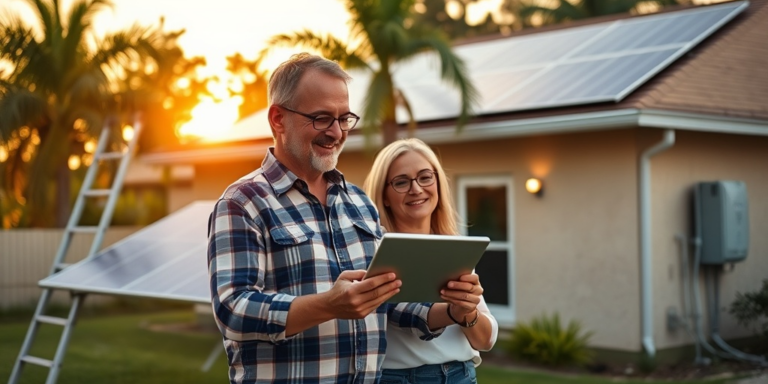
Imagine walking into your neighbor’s home on a sunny Florida day, and as you take a sip of your iced tea, you glance out the window to see shimmering solar panels glimmering in the sunlight. You think, “How fantastic it must be to save on electric bills while helping the environment!” But then an unsettling thought crosses your mind: “Those panels must only be for large homes. Aren’t they?” In our article titled Myth: Solar Panel Installation Is Just for Large Homes, we will vehemently debunk this misconception and shine a light on how solar can benefit homes of all sizes — even those cozy abodes tucked away in Florida’s quaint neighborhoods. Did you know there has been a remarkable 25% increase in solar installations in Florida over the last year alone (SEIA.org)? And, overall, residents could collectively save up to $7 billion on their electric bills by 2030 by adopting solar energy solutions (SolarReviews.com)? This is why, as we move into 2025, the idea that solar energy is reserved for large homes is a myth we must dismantle — for your wallet, your home, and the future of our planet. In this article, we’ll explore five critical sections: a deep dive into misconceptions, practical tips for small homes, best practices for installation, a narrative of a homeowner’s solar journey, and actionable steps for Florida buyers. Let’s get started!
Solar for Everyone: Busting the Myth of Large Homes Only
Let’s kick off our investigation into this pervasive myth with a relatable story. Meet Laura, a Florida homeowner who had always assumed that solar panels were an extravagance for mansion owners. Living in a modest three-bedroom house, she felt solar was out of her reach. After researching energy bills and learning that the average Florida homeowner spends between $160 to $300 per month on electricity (Energy.gov), she decided to delve deeper into the solar world. To her surprise, she discovered that solar panels could not only fit her home but significantly reduce her utility costs. Laura’s conclusion? Residential solar was not only a possibility but a smart investment for her small home.
Now let’s delve into a checklist that could help other homeowners break free from the myth that solar panel installation is only for large homes.
- Evaluate your roof’s potential: Check if your roof receives adequate sunlight and is structurally sound.
- Research vendor options: Look for reputable solar installers in Florida who cater to various home sizes.
- Understand financing options: Explore state and federal incentives that help make solar energy affordable—many programs are designed to support smaller systems.
- Consult local regulations: Ensure compliance with local ordinances regarding solar installations.
- Monitor your energy consumption: Analyzing your energy usage can help you determine the extent of solar power to install.
Now, let’s debunk some common myths concerning solar energy in the Sunshine State!
Debunking Common Myths About Solar Energy
Myth #1: Solar is only for large homes. This is false! Solar systems can be effectively designed for homes of all sizes. Smaller systems can provide ample energy savings even on compact rooftops.
Myth #2: Solar panels are too expensive for average households. In reality, ongoing advances in solar technology have driven prices down significantly. According to recent statistics, solar panel costs have dropped by approximately 82% since 2010 (SEIA.org), making solar a viable option for homes of all sizes.
Myth #3: You can’t benefit from solar if you don’t live in the sunniest part of Florida. While sunny areas are optimal, modern solar efficiency ensures that homes receive adequate energy even in less sunny conditions.
Myth #4: Homeowners must be off the grid to utilize solar energy. This belief is misguided; most Florida homeowners choose to stay connected to the grid to benefit from net metering while using solar energy.
Myth #5: Solar installations are a hassle and require extensive home modifications. Solar panel technology has evolved to be more user-friendly. Many homeowners are surprised at how seamlessly solar panels integrate with their existing structures.
Now that we have exposed some of the common misconceptions surrounding solar installation, it’s essential to focus on why so many homeowners in Florida are making the switch to solar energy. In particular, we’ll look at some local statistical data on this trend.
The Florida Focus: Local Insights and Benefits
Florida is known as the Sunshine State for a reason. With over 237 sunny days on average each year (NOAA.gov), it’s a prime location for harnessing solar energy. With the state’s favorable climate, homeowners can maximize their return on solar investments. Recent statistics show that Florida ranks among the top three states for total solar capacity (SEIA.org). Residents have reported saving an average of $20,000 to $30,000 on energy costs over two decades, emphasizing the benefits of solar.
Here are some top reasons why homeowners should consider solar in Florida:
- State Incentives: Florida offers several solar tax benefits, including Property Tax Exemptions and Sales Tax Exemptions making solar more financially feasible.
- Net Metering: Local policies allow homeowners to receive credit for excess energy sent back to the grid, making it beneficial to generate solar energy and use it as needed.
- Increased Home Values: Homes equipped with solar panels often have higher property values, making them attractive to future buyers.
By now, it is palpable that solar panels can power homes of all sizes, and the next step is understanding the equipment available for effective solar installations. Let’s take a deep technical dive.
Understanding Solar Systems: Technical Breakdown
Solar power systems consist of various components including solar panels, inverters, mounting systems, and battery storage. Understanding these parts will demystify solar technology, making it a more approachable option for smaller homes.
1. Solar Panels: These are the most visible components of any solar system. They convert sunlight into electricity using semiconductor materials. On average, a 5kW solar system, suitable for smaller homes, typically requires a roof area of around 300–400 square feet.
2. Inverters: Inverters play an indispensable role in converting the direct current (DC) electricity generated by the panels into alternating current (AC) electricity, which powers your appliances. Modern inverters are more efficient and compact than ever, accommodating the needs of smaller installations.
3. Battery Storage: For those who desire to maximize solar savings further, battery systems such as the Tesla Powerwall can store excess energy generated during the day for use at night. These battery units are compatible with many home sizes and can enhance system performance.
4. Monitoring Systems: A monitoring system allows homeowners to check their solar output and energy usage on-the-go. This transparency empowers small homeowners to see their savings and production in real-time, emphasizing the benefits of solar living.
Understanding these technical elements not only empowers homeowners to make informed decisions but also clears the fog of the misconception that solar isn’t designed for smaller surroundings. Now that we’ve examined the technical depth, let’s shift gears and explore some expert recommendations.
5 Expert Solar Installation Tips for 2025
As we move into 2025, it’s crucial to grasp some best practices that will help make solar panel installation successful for small homes:
- Don’t skimp on panel placement: Proper solar panel placement maximizes sun exposure. Consult with experts who can analyze your unique roof structure and angle.
- Leverage local incentives: Research local programs that provide financial support for solar installations — Florida has a variety that small homeowners can take advantage of.
- Schedule regular maintenance: To ensure your solar system remains efficient, routine checks and cleanings alleviate potential performance issues caused by debris or blockage.
- Choose quality equipment: Investing in high-quality panels and components now can lead to increased savings and efficiency in the long run.
- Educate yourself about net metering: Understanding how net metering works will help you maximize savings from your solar power system, further emphasizing why solar is an asset for every home.
By embracing these practices, Florida homeowners can ensure they are not just adopting solar, but are doing so in a way that guarantees their investment yields long-term benefits.
A Florida Homeowner’s Solar Journey
Let’s take a look at a hypothetical journey of a Floridian family looking to adopt solar energy in their 1,800-square-foot home in Orlando. The Williams family had always struggled with high utility bills, averaging around $250 a month. One sweltering summer day, they received their utility bill and decided enough was enough. They took the leap into researching solar energy, and here’s a snapshot of their journey:
- **Initial Consultation:** The Williams contacted a local solar provider offering a free consultation and financial assessment.
- **Home Evaluation:** Experts evaluated their rooftop, determining that their house could accommodate a 6kW system with optimal solar panel placement.
- **Financing Options:** They discovered various financing programs, taking advantage of federal and state tax incentives, which significantly reduced upfront costs.
- **Installation:** The family watched excitedly as technicians installed their new solar system over just two days with minimal disruption to their daily life.
- **Going Live:** Finally, the systems were connected, and they eagerly received their first solar energy report, which showcased their new energy savings.
In just six months, the Williams family noticed that their electricity bills had dropped by 70%. Not only did they enjoy lower monthly expenses, but they also felt proud of doing their part for the environment.
The ripple effect of such transitions cannot be overstated — when homeowners like the Williams take action to switch to solar energy, they champion the larger cause of clean, renewable energy for all Floridians.
Next Steps for Florida Solar Buyers in 2025
Choosing to go solar in 2025 is a monumental decision, and knowing the next steps will ensure a smooth transition. Here’s an actionable checklist:
- Audit Your Electric Bill: Understand your energy consumption to determine how much solar energy you’ll need.
- Research Local Installers: Find multiple reputable solar providers in your area to compare services and pricing.
- Consider Your Financing Options: Look into available incentives and financing programs that will make your solar investment feasible.
- Schedule a Home Assessment: Request a free consultation with local experts who can evaluate your home and provide a personalized plan.
- Stay Informed: Regularly keep track of evolving local policies and solar technologies to maximize your investment.
With this actionable plan, Florida homeowners can confidently embark on their solar journey, armed with knowledge and clarity.
In summary, we have successfully debunked the myth that solar panel installation is just for large homes. Numerous statistics and real-life examples illustrate how solar energy can transform the living situations of Florida homeowners, regardless of their dwelling size. The financial and environmental benefits are too significant to ignore. In a world where energy costs are rising, taking charge of your energy future has never been more crucial.
Ready to start your solar journey in 2025? Connect with a certified expert at nyelectricandsolar.com today.
Related Articles
More insights about Solar Panel

How Many Solar Panels Do You Need in Upstate New York?

Florida Homeowners: Why Solar Panel Maintenance Is Essential

7 Essential Steps for Solar Panel Installation Success
Ready to Go Solar?
Have questions about solar energy? Our experts are here to help you make the switch to clean, renewable energy.