
Myth: Solar Panel Installation Is Only for the Wealthy
Share:
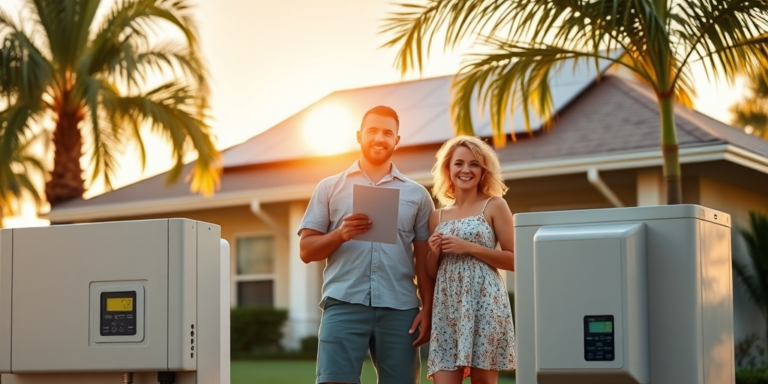
In the sweltering heat of Florida, did you know that nearly 76% of homeowners are considering solar energy in the coming years? These statistics might surprise you, especially in light of a widespread myth: “Solar panel installation is only for the wealthy.” However, as we navigate the year 2025, this couldn’t be further from the truth. Big changes in solar policies and financial incentives have made solar power accessible for everyone, regardless of income level. Additionally, with energy costs on the rise and the pressing need for sustainability, understanding the realities of solar is not just desirable but urgent. In this article titled “Myth: Solar Panel Installation Is Only for the Wealthy,” we’ll dismantle this myth and provide insight into how solar is more achievable than ever for Florida homeowners and commercial property owners alike. We will explore five main sections: a deep dive into the realities of solar ownership, actionable steps for getting started, common misconceptions surrounding solar, a focus on Florida’s unique solar landscape, and an in-depth technical analysis of solar power systems and billing.
Unpacking the Wealthy Myth: Solar Is Accessible to All
Let’s begin with a story that resonates with so many Floridians. Meet Jane, a single mother living in Orlando. With a modest income and two children, Jane always felt that solar power was out of her reach—an expensive luxury reserved for wealthier families. But everything changed last summer when she decided to explore her options. With federal and state incentives, Jane was surprised to find that she could install a solar system with minimal upfront costs. By the end of the year, she was able to cut her electricity bills by half, all while securing a more sustainable future for her family.
Jane’s experience is a beacon for the proven accessibility of solar energy today. Contrary to the myth that solar installations are solely for the affluent, numerous programs and incentives exist to assist homeowners from all financial backgrounds. According to the Solar Energy Industries Association (SEIA), installation costs have dropped by over 70% since 2010, making solar energy a feasible option for many Florida families (SEIA.org). In addition, new policies and incentives in 2025 introduce enhanced financing options, further expanding accessibility.
This leads us to dissect a common myth head-on. Many people believe that going solar requires a hefty initial investment that only affluent families can afford. However, as we will discuss, there exist multiple pathways to financing and adopting solar energy. Beyond financing options, there are diverse solutions like solar leasing, Power Purchase Agreements (PPAs), and community solar programs specifically designed for low-to-moderate income families.
To keep you engaged, here’s what you can expect in the coming sections:
- Case Study: An in-depth look at Jane’s inspiring journey into solar ownership.
- Checklist: Essential actionable steps to take when considering solar.
- Myth-Buster: Debunking prevalent misconceptions that deter potential solar buyers.
- Local Focus: Understanding Florida-specific statistics and policies that promote solar access.
- Technical Deep-Dive: A thorough analysis of the costs, savings, and technology behind solar energy.
The Realities of Solar Energy: Florida Homeowners’ Journey
Imagine your neighborhood: palm trees swaying, sunshine pouring down abundant resources, and not a house to be seen without solar panels gleaming atop the roofs. This is the vision that the state of Florida aspires to achieve, and it is very much grounded in reality. Let’s take a closer look at a broad-spectrum account of homeowners transitioning to solar power without walls built on wealth but instead on firmly established principles of accessibility.
Firstly, let’s break down common steps undertaken by homeowners moving towards solar energy:
- Step 1: Research Financial Incentives – Homeowners should start by exploring local and federal solar incentives. The federal tax credit allows you to deduct 26% of the cost of installing a solar energy system from your federal taxes (Energy.gov).
- Step 2: Assess Your Energy Needs – Understand your current power usage by reviewing your electricity bills. This gives you a target for how much energy you’ll need to generate with solar panels.
- Step 3: Get Multiple Quotes – Reach out to several solar companies and compare quotes. Make sure to inquire about financing options suitable for your budget.
- Step 4: Explore Financing Options – From loans to leases and Power Purchase Agreements, explore different financing models. Many companies offer options designed for homeowners who may not have a lot of upfront cash.
- Step 5: Installation and Maintenance – Work with a trusted local installer to guide you through the installation and maintenance process, ensuring optimal solar system performance.
By completing these steps, Floridians can easily navigate toward solar ownership and substantially lower their energy bills while also contributing to a cleaner environment.
Breaking Down the Myths about Solar Energy
Now that we’ve provided actionable steps, it’s important to address the widespread beliefs that deter many from considering solar energy. Let’s dive into these pervasive myths, which we’ll refer to as Myth #1 to Myth #5.
- Myth #1: Solar panels only work in sunny areas.
- Myth #2: Solar is too expensive for middle-income families.
- Myth #3: Solar panels require huge maintenance and repairs.
- Myth #4: Installing solar panels lowers property value.
- Myth #5: You need a large roof to benefit from solar energy.
This myth suggests that solar panels need constant sunlight to function. In reality, solar panels can still generate power even in cloudy or rainy conditions. While performance may vary, solar power systems can contribute significantly to energy needs year-round.
While solar installation could require an upfront investment, numerous financing options such as federal tax credits, local incentives, and low-interest loans make it a practical solution. With these offerings, the average American can save money on energy bills and even benefit from payment plans that suit their budgetary constraints (SolarReviews.com).
Solar panels are designed for longevity and require minimal maintenance. Regular cleaning and occasional inspections can keep a solar power system functioning efficiently. With warranties often lasting 25 years or longer, homeowners can feel secure in their investment.
In truth, homes equipped with solar energy systems can see increases in property value. A report from the National Renewable Energy Laboratory has shown that solar increases a home’s resale value on average by $15,000 (NREL.gov).
Even if your home doesn’t have a spacious roof, alternative setups like ground-mounted solar panels, pole installations, or community solar gardens can offer solutions tailored to various properties.
By dispelling these misconceptions, we free homeowners to discover the practical advantages of solar energy without bias or preconception.
The Impact of Florida-Specific Policies on Solar Access
Florida homeowners are uniquely positioned to benefit from a vibrant solar market driven by local legislation. The Sunshine State is known for its abundant natural resources, but it has also developed policies to enhance solar accessibility, aimed at breaking down barriers for those who previously thought solar wasn’t within reach. Here’s how these local initiatives contribute to the growth of solar energy:
- Net Metering: This allows homeowners to receive credits for the excess energy their solar panels generate, effectively lowering future energy costs.
- State Incentives: The state government provides various incentives for homeowners to adopt solar technology, including financing programs and rebates that make solar installations more affordable.
- Community Solar Programs: These programs enable residents to invest in a shared solar project, making solar access available to those who rent or do not have suitable spaces for solar installations.
- Increased Local Support: Local solar associations and community groups are working tirelessly to educate Floridians about the benefits and funding options for solar energy.
The combined impact of these policies and community efforts positions Florida as a model for solar adoption across the nation—ensuring that residents can thrive in an energy-efficient way.
The Mechanics of Going Solar: Technology and Financial Solutions
Taking a more technical approach, let’s breakdown what adopting solar energy entails. Embracing solar energy is not merely a financial investment; it is also a technical commitment. Here’s how the mechanics work:
- Solar Panels: These systems absorb sunlight and convert it into electricity, which can be used to power your home or business.
- Inverters: Solar panels generate direct current (DC) electricity, which is then converted into alternating current (AC) electricity through an inverter, making it usable for household appliances.
- Battery Storage: Home energy storage solutions allow residents to save excess power generated during sunny days to use later, especially during outages or nighttime consumption.
- Billing Systems: Homeowners can benefit from nuanced billing options such as net metering, which enables them to receive credit for surplus energy sent back to the grid (SolarReviews.com).
This technical overview reveals the numerous moving parts that enable homeowners to produce their own energy while contributing to a sustainable future. Understanding these components is essential for effective planning and deployment of solar energy solutions.
Next Steps for Florida Solar Buyers in 2025
As we draw our journey together, it is crucial to layout an actionable plan for homeowners who are ready to embrace solar energy. Here are the next steps to navigate your path effectively:
- Step 1: Audit Your Electric Bill – Gather your electricity bills from the past year to evaluate your usage patterns, helping you determine the capacity needed for your solar installation.
- Step 2: Research Local Incentives – Investigate available state and federal incentives that can help make your solar purchase more affordable.
- Step 3: Get Quotes from Trusted Installers – Reach out to reputable solar providers and get multiple quotes to ensure you are receiving competitive pricing.
- Step 4: Understand Your Financing Options – Ask about various financing plans that accommodate your financial conditions. These options may include loans, solar leases, or incentives that provide instant savings.
- Step 5: Schedule Your Installation – Choose your preferred installer and set a date to install your system, all while enjoying the anticipation of starting your sustainable energy journey.
To further explore options tailored to your specific needs and utilize available incentives, visit nyelectricandsolar.com for expert guidance.
Conclusion: Your Empowered Path to Solar Energy
As we’ve unveiled the realities behind the myth that solar panel installation is only for the wealthy, it’s clear that solar energy is a viable option for all Florida homeowners and commercial property owners. We’ve explored a detailed case study, actionable steps, prevalent myths, the role of Florida-specific policies, and the technical mechanics of solar energy systems. Your journey into solar energy transitions from mere myth to empowering opportunity is not a distant dream but a tangible reality.
Owning a solar system means owning your power, protecting your finances, and contributing to a sustainable future for our planet. With rising energy costs and a growing need for clean energy solutions, the urgency to consider solar has never been greater. Whether you’re an affluent homeowner or navigating on a tight budget, solar is within your reach.
Ready to start your solar journey in 2025? Connect with a certified expert at nyelectricandsolar.com today.
Related Articles
More insights about Solar Panel

How Many Solar Panels Do You Need in Upstate New York?

Florida Homeowners: Why Solar Panel Maintenance Is Essential

7 Essential Steps for Solar Panel Installation Success
Ready to Go Solar?
Have questions about solar energy? Our experts are here to help you make the switch to clean, renewable energy.