
Myth: Solar Panel Lifespan is Only 10 Years
Share:
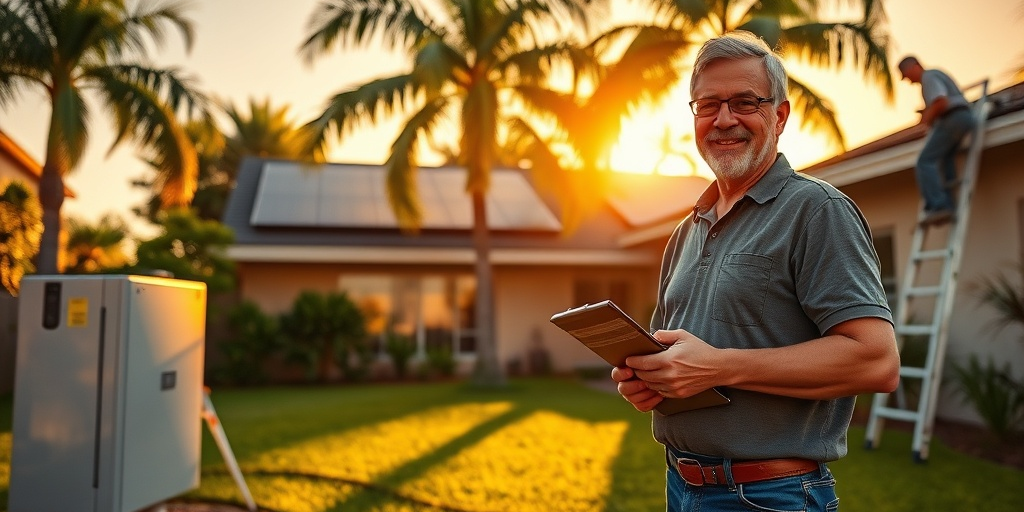
When you think of solar energy, what comes to mind? Perhaps you envision shiny panels glistening beneath the Florida sun, saving homeowners a fortune on electricity. But did you know that one of the most pervasive myths surrounding this technology is that solar panel lifespan is only 10 years? In reality, nothing could be further from the truth. In our enlightening piece, Myth: Solar Panel Lifespan is Only 10 Years, we’ll bust this myth wide open and explore the incredible longevity of modern solar panels. Research shows that most panels are designed to last 25-30 years, and many perform even longer—retaining up to 80% of their original efficiency after decades (SEIA.org). With energy prices on the rise and the push for renewable energy accelerating, understanding the facts about solar panel longevity has never been more urgent, especially as we approach 2025, when new solar incentives and policies will change the market landscape significantly. In this article, we’ll unpack the truth behind solar panel lifespan, delve into best practices, examine local statistics, and outline straightforward steps for Florida homeowners ready to make a solar leap.
Unraveling the Solar Panel Lifespan Myth
Let’s kick things off with a compelling story. Meet Jane, a resident of sunny Orlando, who decided to invest in solar panels after noticing her skyrocketing electricity bills. She had heard from a friend that solar panels only last about 10 years and was hesitant to make a commitment. After doing some research, Jane discovered that the vast majority of solar panels are actually built to provide reliable performance for much longer. In fact, most panels come with warranties of 25 years or more, giving homeowners peace of mind and assurance of a worthwhile investment.
If you’re in a situation similar to Jane’s, you might be grappling with these common myths:
- Myth #1: Solar panels only last for about a decade.
- Myth #2: After 10 years, solar panels become ineffective.
- Myth #3: Solar technology is not evolving quickly enough.
- Myth #4: You have to replace your solar panels after a short time.
- Myth #5: Solar panels are always subject to performance degradation.
As we acknowledge these widespread beliefs, evidence suggests otherwise. Modern solar panels, depending on brand and model, are designed to last between 25 to as much as 40 years with proper care. This bridge to the future of renewable energy is critical for Florida homeowners, where the sun outlets abundant energy potential, transforming it into substantial electricity savings.
So, what are the major factors contributing to the long lifespan of solar panels? Here’s a quick checklist:
- Quality of Materials: High-quality panels use durable materials, increasing longevity.
- Installation: Proper professional installation can significantly affect how long the panels will last.
- Maintenance: Regular maintenance can help mitigate wear and tear.
- Technology Improvements: Advancements in technology have led to better efficiency and durability.
- Manufacturer Warranties: Most manufacturers offer warranties of 25 years or more, reinforcing their reliability.
Describing the technical aspects further, it’s essential to understand that solar panels consist of various components, including photovoltaic cells, glass, backing materials, and framing, all engineered for maximum resilience. Furthermore, the evolution of solar technology has seen panels designed to withstand severe weather conditions, making them an even safer bet for a Floridian home. In 2021, nearly 60% of residential solar power systems were installed with energy resilience as a primary focus (SolarReviews.com). This means that a well-installed solar panel system in Florida can last well beyond a mere decade, functioning efficiently for decades.
With these points of clarification, let’s delve deeper into each of the myths listed above and see how they stand up to scrutiny—especially in a Florida context.
Debunking Solar Longevity Myths
Myth #1: Solar panels only last for about a decade. This is perhaps the most misunderstood aspect of solar technology. As stated earlier, most photovolatic panels have a lifespan of around 25-30 years. Thanks to rigorous testing and continuous advancements, manufacturers have optimized their designs to ensure they can withstand harsh weather conditions typical of Florida.
Myth #2: After 10 years, solar panels become ineffective. In reality, panels degrade slowly over time, generally at a rate of about 0.5-1% efficiency loss per year. This means that even after 25 years, they could still be operating at 75-80% of their original capacity (NREL.gov). That’s something Jane’s friend certainly wasn’t aware of!
Myth #3: Solar technology is not evolving quickly enough. On the contrary, improvements are continually being made to both the technology and efficiency of solar panels, which have increased dramatically in recent years. Modern panels now feature better heat tolerance and enhanced energy output, making them suitable for varying climates, including Florida’s sweltering summer days.
Myth #4: You have to replace your solar panels after a short time. Again, this couldn’t be further from the truth. With regular maintenance, many homeowners find that their panels not only last longer but also continue to perform efficiently. Regular cleaning and inspections can enhance longevity.
Myth #5: Solar panels are always subject to performance degradation. While some degradation is expected, the good news is that many panels are now designed to limit performance losses, meaning that the average homeowner can expect significant savings over the years through solar power. In 2023 alone, solar panels continued to generate impressive amounts of energy even after years of service—a testament to their durability (Energy.gov).
By unpacking these misconceptions, we shed light on the true potential of solar energy for Florida homeowners. The benefits of making the shift to solar are clear: enhanced savings, sustainable living, and reduced dependence on increasingly volatile energy prices. As we survey the current landscape and peer into the future of renewable energy, it’s essential to stay informed and proactive.
Best Practices for Solar Installation in 2025
When it comes to swimming in the vast sea of solar energy options, understanding best practices will ensure you maximize returns on your investment. As you prepare for 2025, here are 5 expert tips to optimize your solar installation:
- Choose the Right Installer: Selecting a reputable and certified installer like Florida Electric & Solar ensures quality, optimal performance, and lasting results.
- Understand Your Energy Needs: Conduct an energy audit of your home to pinpoint how much energy you truly require. This enables you to choose the right system size.
- Optimize Panel Placement: Ensure that panels are placed in a location with maximum sunlight exposure throughout the day, avoiding shadows from trees or buildings.
- Preemptive Maintenance: Schedule routine checks and cleans to maintain optimum efficiency and extend the lifespan of your system.
- Be Aware of Warranties: Familiarize yourself with your equipment warranties. Understanding your installation’s warranty can prevent unexpected issues down the line.
These practices not only enhance the performance of your solar system, but they also equip you with the knowledge needed to make an informed decision. According to a report from the National Renewable Energy Laboratory, the right system design paired with proactive maintenance can increase overall efficiency by up to 10% (NREL.gov). It’s crucial that Florida homeowners engage with installers that offer comprehensive education—ensuring clarity in communication and performance expectations.
If you’re considering solar power, visiting nyelectricandsolar.com can help you explore various resources, tips, and consultation opportunities available in your area. Ensuring that you are well-informed about these best practices will empower you to achieve remarkable savings.
A Day in the Life: A Florida Homeowner’s Solar Journey
Let’s visualize a typical day in the life of Mike, a solar-savvy homeowner residing in Tampa. A few years ago, after much deliberation and exploration of the numerous myths and facts, Mike decided to invest in solar panels. At first, skepticism filled his mind. Would his panels stand the test of time? Would they truly save him money? The initial anxiety ebbed as he greeted the day each morning, knowing his solar system quietly worked from the roof, harnessing the sun’s energy.
As Mike settles into his routine, the benefits of his decision become apparent:
- Morning Coffee: While flipping pancakes, he smiles knowing that the energy amplifying his cozy kitchen comes from the sun.
- A Quick Check: During breakfast, Mike checks his solar app, which shows him that his panels have generated a significant amount of power—it brings him joy to see how the savings add up.
- Afternoon Comfort: With the air conditioning running, helping keep his family cool during the sweltering afternoon heat, Mike feels at ease knowing that his electric bills are lower thanks to solar energy.
- Family Game Night: Later, hosting family game night becomes more enjoyable—without the added stress of high utility costs looming over the electricity usage.
Mike’s solar journey mirrors that of many Florida homeowners, illustrating the triumphs of solar energy. His decision was augmented by thorough research and debunking common myths that circulating in the public realm. Several months into ownership, Mike noticed a 50% reduction in his monthly energy expenses compared to the previous year. It was clear that his investment was sound, outperforming the initial projections (Energy.gov).
Lastly, as Mike reflects on his decision a year down the road, he finds peace knowing that his solar panels are built to last, covered under a 25-year warranty—meaning he can confidently look toward the future, free from the anxiety of unexpected energy costs.
Next Steps for Florida Solar Buyers in 2025
If you’re ready to embark on your journey towards energy independence, here’s a comprehensive action plan tailored for you:
- Step 1: Audit Your Electric Bill – Understand your consumption habits and identify potential savings through solar energy.
- Step 2: Consult with Solar Professionals – Engage system experts who will help tailor solutions specific to your energy needs.
- Step 3: Evaluate Incentives and Rebates – Research current solar incentives offered by the state of Florida to maximize your savings.
- Step 4: Get Multiple Quotes – Speak with different installers to compare proposals, ensuring you receive the best recommendations.
- Step 5: Plan for Maintenance – Schedule regular checks to ensure solar panels have optimal performance, extending their lifespan.
Following this checklist will help you navigate the solar landscape. Furthermore, a regulated approach ensures adherence to local standards, optimizing your energy efficiency. Investing in solar without a doubt provides profound long-term benefits, not only for your pocket but also for the planet.
In the race against rising utility costs, Florida homeowners have a unique opportunity in 2025 to embrace the financial and environmental benefits of solar energy. The sun is abundant in our great state—the perfect ally for any homeowner aiming to cut costs while prioritizing sustainable living.
In conclusion, it’s crucial that we dismantle the stubbornly prevalent myth stating that solar panel lifespan is only 10 years. As we’ve explored, modern technology and installation practices have reshaped the solar industry and optimized effectiveness over time. By understanding the facts and debunking the myths surrounding solar longevity, you can make empowered decisions for your own home.
The urgency to transition to solar energy continues to grow, with rising energy costs leading the charge. The insights shared within this article not only highlight the long-term value of solar energy but also emphasize the importance of actual investments as Florida moves toward a sustainable, solar-powered future.
Are you ready to start your solar journey in 2025? Connect with a certified expert at nyelectricandsolar.com today.
Related Articles
More insights about Solar Panel

Florida Homeowners: Why Solar Panel Maintenance Is Essential

7 Essential Steps for Solar Panel Installation Success

Expert Insights: Key Factors Influencing Solar Panel Lifespan
Ready to Go Solar?
Have questions about solar energy? Our experts are here to help you make the switch to clean, renewable energy.