
Myth: Solar Panel Lifespan Only Lasts a Decade
Share:
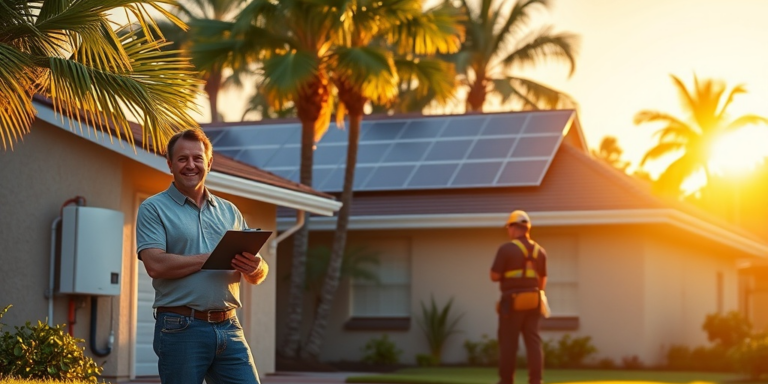
Have you ever heard that solar panels last only a decade? If so, you’re not alone in believing this myth, which has propagated throughout various circles as a means of skepticism towards solar energy. Unfortunately, this misunderstanding has discouraged numerous Florida homeowners from investing in sustainable energy solutions that can save them money and provide reliable energy for years to come. In reality, advancements in solar technology have significantly extended the lifespan of solar panels, with many modern panels exceeding a 25-year operational threshold—far beyond the initial misconception. As of 2023, the average life expectancy of solar panels is between 25 to 30 years, with manufacturers increasingly confident in their durability, often providing warranties that reflect this longevity (SEIA.org). This is especially relevant in 2025 as rising energy costs and instability in power grids drive more Floridians to consider solar power as a viable solution for both environmental benefits and cost-effectiveness.
In this blog titled, Myth: Solar Panel Lifespan Only Lasts a Decade, we will dissect the misleading beliefs surrounding solar panel lifespans and provide factual information to clear up any confusion. As we delve deeper, we will cover five sections that encompass a range of critical topics:
- The realities of solar panel longevity
- A detailed checklist for considering solar energy
- 5 widespread myths debunked
- Florida-specific information that impacts the solar industry
- Technical insights on solar technology and its components
By the end of this post, we aim to transform skepticism into understanding, and maybe even excitement about the prospects of going solar. So, let’s shed light on this crucial topic.
Understanding Solar Panel Longevity: Myths vs. Reality
Many consumers are conditioned to associate short lifespans with products whose technology isn’t well understood. This misconception is frequently applied to solar panels as well. But the truth is, a variety of factors influence the lifespan of solar panels, which are designed to harness the sun’s energy effectively for long durations.
Take the case of the Rodriguez family in Naples, Florida. After a steady increase in their energy bills year-on-year, they decided to invest in solar power in 2023. They were initially deterred by the myth that solar panels only last about ten years. However, after extensive research, they discovered that by choosing high-quality polycrystalline panels, they could enjoy up to 30 years of reliable energy. Fast forward to 2025: not only have their energy costs significantly decreased, but their panels are still performing at admirable efficiency levels.
To help others like the Rodriguez family navigate the world of solar energy, here’s a practical checklist for understanding solar panel longevity:
- Step 1: Research Panel Types — Understand the differences between monocrystalline, polycrystalline, and thin-film panels.
- Step 2: Investigate Manufacturer Warranties — Evaluate warranties that range from 10 to 25 years.
- Step 3: Look for Performance Degradation Rates — Understand that most panels will lose about 0.5% to 1% of their efficiency each year.
- Step 4: Consider Environmental Impact — Florida’s sunny climate is ideal for solar panel efficiency, with an average of over 260 sunny days per year (SolarReviews.com).
- Step 5: Consult Local Solar Installers — Local experts, such as Florida Electric & Solar, can provide tailored advice and recommendations.
The lifespan of solar panels is not merely dictated by technology but also by user care and maintenance. If regularly cleaned and effectively monitored, many panels can serve their owners for over three decades, allowing consumers to cut electric bills and maximize solar savings.
Myth #1: Solar panels only work for ten years.
In contrast, the average lifespan of modern solar panels is well over 25 years, according to various manufacturers. Top brands like SunPower often assert warranties that guarantee performance for a minimum of 25 years.
Myth #2: All solar panels degrade at the same rate.
The truth is that high-quality panels exhibit significantly lower degradation rates. Premium brands tend to degrade by around 0.3% per year, leading to up to 98% efficiency even after two decades.
Myth #3: Solar panels require frequent replacements.
Countless reports maintain that properly maintained solar panels can last upwards of 30 years, with replacements being minimal and only required in case of significant damage or malfunctions.
Myth #4: Solar panels are under warranty for ten years only.
While some products feature shorter warranties, many reputable manufacturers now provide 25-year coverage, ensuring customers have peace of mind regarding replacement or repair.
Myth #5: All environments are unsuitable for solar panel installation.
Florida, in particular, benefits from high solar irradiance, often resulting in improved efficiency. With sunshine dominating the landscape and government incentives available, it’s a prime location for solar installation.
These myths serve not only to instill doubt in potential solar adopters but also to highlight the need for accurate information. As Florida homeowners embark on their quest toward sustainable energy solutions in 2025, it’s paramount to ground decisions in evidence rather than misconceptions.
Exploring Best Practices for Solar Installation
Choosing to go solar is a transformative journey for both homeowners and commercial property owners in Florida. The benefits gained from solar energy extend far beyond financial savings, creating opportunities for energy independence and sustainability. However, numerous details need to be addressed to ensure a successful solar installation. Here are five expert tips for successfully integrating a solar system in 2025:
- Optimize Panel Placement: Conduct a thorough assessment of your roof’s orientation, pitch, and potential shading from trees or buildings. Ideally, solar panels should be installed on a slope with a southern exposure to maximize energy capture over peak hours.
- Choose Quality Components: Invest in high-quality panels and inverters from reputable manufacturers. Renowned brands often offer better warranties and improved longevity. As a benchmark, panels from LG or Canadian Solar tend to outperform cheaper alternatives.
- Utilize Net Metering: Familiarize yourself with Florida’s net metering policies, allowing homeowners to sell surplus energy back to the grid. This policy not only offsets installation costs but can also lead to even greater savings on monthly utility bills.
- Stay Informed on Legislative Changes: Keeping track of local policy changes and incentives enhances your understanding of what support is available for solar installation and usage in Florida. Potential tax credits and rebates can significantly lower upfront costs.
- Regular Maintenance: Schedule periodic inspections and maintenance for your solar system. By regularly cleaning any debris and monitoring performance, you ensure that your investment retains its value over the years.
By adhering to these practices, Florida homeowners can maximize solar efficiency, ensuring that they are well-prepared to harness the sun’s energy for years to come. With new advancements and incentives emerging in 2025, now is the ideal time to dive into solar power.
The Journey of a Solar-Powered Homeowner
Meet Sarah, a diligent single mother of two, who was immensely challenged by high energy prices in her Tampa home. On the brink of a financial crisis due to increasing utility costs, she set out to find a sustainable solution that could relieve her burden. In 2023, she began researching solar energy as a way to take control of her electricity expenses.
Throughout her research, Sarah discovered several key components associated with solar technology, leading her to explore the following:
- System Design: Understanding the importance of optimizing the dimensions and types of panels for her household needs.
- Bankability: Investigating various financing options that fit her budget without compromising solar quality.
- Incentives: Looking into state and federal incentives that could provide upfront cost reductions, ensuring projects were financially feasible.
- Local Community Knowledge: Gaining insights from fellow Floridians who had successfully completed solar projects.
Initially hesitant, Sarah gained confidence after realizing how solar technology has improved efficiency and longevity, particularly in sunny Florida. In 2025, with her solar system fully operational, Sarah delighted in slashing her electric bills by over 75%. With solar panels that are expected to last around 30 years, she is set to enjoy economical energy independence while also inspiring her children to embrace sustainable living. A true role model in her community, she frequently provides insight to those contemplating solar energy. Through her journey, she illustrates that not only is solar power a practical choice but also a fulfilling one.
Next Steps for Florida Solar Buyers in 2025
As the narrative around the longevity of solar panels becomes more evident, it’s essential for Florida homeowners and commercial property owners to consider actionable steps. With plenty of information available, here’s a simplified action plan:
- Step 1: Audit Your Electric Bill — Examine your last few statements and calculate average payments to determine potential savings you could gain through solar energy.
- Step 2: Assess Your Property’s Solar Potential — Services like satellite imagery will help assess how many sunlight hours your roof receives on average. This information is vital during the installation decision process.
- Step 3: Seek Expert Guidance — Consult local professionals (such as [Florida Electric & Solar](https://nyelectricandsolar.com)), who can offer tailored insights and assessments.
- Step 4: Explore Financing Options — Review opportunities via solar loans, leases, or power purchase agreements that minimize financial risk and enhance accessibility.
- Step 5: Finalize Your Installation Timeline — Now that you’re well-informed and prepared, make the final steps toward solar installation. Setting up your system at the right time can increase potential savings.
By taking these decisive steps, Florida homeowners can efficiently transition toward solar power, enjoying all the benefits associated with a sustainable energy future.
Conclusion
Throughout this journey, we have confronted the myth that solar panel lifespan only lasts a decade and debunked it using facts, case studies, and real-life experiences. We have explored the factual realities surrounding solar longevity, along with actionable steps that can empower Florida residents to invest confidently in solar energy. The narrative surrounding solar does not merely signify financial reprieve; it reflects a commitment to environmental stewardship and the preservation of resources for future generations.
As energy costs continue to rise and solar technologies evolve, the future shines brightly for those ready to embrace solar power. Make your future sustainable, healthy, and financially sound. As we approach the industrial optimism of 2025, it’s the perfect time to take charge.
Ready to start your solar journey in 2025? Connect with a certified expert at nyelectricandsolar.com today.
Related Articles
More insights about Solar Panel

How Many Solar Panels Do You Need in Upstate New York?

Florida Homeowners: Why Solar Panel Maintenance Is Essential

7 Essential Steps for Solar Panel Installation Success
Ready to Go Solar?
Have questions about solar energy? Our experts are here to help you make the switch to clean, renewable energy.