
Myth: Solar Panel Maintenance Is Too Complicated for Homeowners
Share:
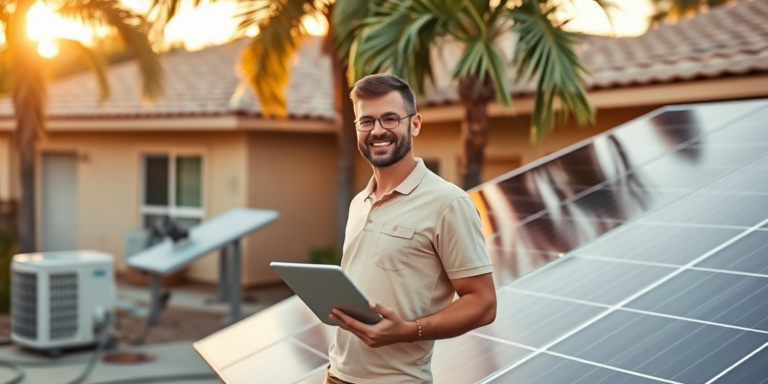
Imagine driving through the sun-kissed state of Florida, where the vibrant orange groves meet the turquoise coastlines, and suddenly you notice a home with solar panels glinting under the sun. Many homeowners across the state are embracing solar energy, opting for clean and sustainable energy solutions that not only reduce their carbon footprint but also lower their energy bills significantly. Yet, a persistent myth looms large: “Myth: Solar Panel Maintenance Is Too Complicated for Homeowners.” This notion can deter people from making the switch to solar—an unfortunate reality given that solar panel maintenance is simpler than one might believe. In fact, nearly 80% of Florida residents reported motivation for adopting solar energy, driven by both environmental concerns and the promise of savings (SEIA.org). Moreover, with the new solar incentives being rolled out in 2025, the urgency to understand solar power maintenance has never been greater.
The maintenance of solar panels is not only manageable but essential for maximizing efficiency. A recent survey indicated that maintaining solar panels can increase energy production by nearly 20% when done correctly (SolarReviews.com). As we advance into this decade, let’s ensure that myths do not mislead us; understanding how simple solar panel upkeep is can pave the way toward sustainable living. In this post, we’ll delve into five critical sections:
- Exploring the Realities of Solar Maintenance
- Essential Maintenance Checklist for Every Florida Homeowner
- Myth-Busting Common Misconceptions
- Understanding the Local Context of Solar in Florida
- Establishing Technical Knowledge for Future Solar Buyers
So, whether you’re a Florida homeowner or a commercial property owner, it’s time to dismantle the myth surrounding solar panel maintenance and empower yourself with knowledge that can enhance your decision-making process in 2025.
Exploring the Realities of Solar Maintenance
When it comes to managing your solar power system, misconceptions abound, especially the idea that maintaining solar panels is labor-intensive or too complicated for average homeowners. Let’s paint a clearer picture by looking at a hypothetical case study.
Meet Jessica, a Florida homeowner who decided to invest in solar energy last year. With an eco-conscious mindset and a desire to reduce her electricity bills, she contacted Florida Electric & Solar and had a system installed on her roof. Initially, she was hesitant about the maintenance aspect—as many are—wondering if she would need to become an expert in solar technology just to keep her panels operating efficiently. Luckily, that wasn’t the case.
Over her first year of ownership, Jessica learned that maintaining her solar panels required less effort than she anticipated. Here’s what her maintenance journey looked like:
- Regular Inspections: Jessica scheduled a professional inspection twice a year, ensuring everything functioned correctly.
- Self-Checks: Monthly, she would take a quick walk outside to check for dirt, debris, or any obstructions on the panels.
- Weather Awareness: After storms, she would inspect for any visible damage but quickly learned that most Florida weather wouldn’t severely impact her system.
Interestingly, Jessica discovered that issues like dust or bird droppings could be rectified with a simple rinse using her garden hose. This resulted in an impressive boost in energy production, confirming that her maintenance approach was right on target.
In fact, studies show that panel efficiency can drop as much as 10% due to dirt accumulation, meaning Jessica’s small efforts yielded substantial rewards (Energy.gov). The beauty of solar panel maintenance lies in its simplicity—most homeowners can handle it without extensive technical knowledge!
Essential Maintenance Checklist for Every Florida Homeowner
Solar maintenance doesn’t have to be daunting; with the right approach, it can be part of your regular home care routine. Here’s a practical checklist to simplify the process:
- Step 1: Conduct a visual inspection of your panels every month for dirt buildup or obstructions such as leaves.
- Step 2: Clean the panels if dirt is present, using a soft brush and gentle water spray to avoid damage.
- Step 3: Schedule professional maintenance or inspections at least twice a year to ensure optimal performance and identify issues.
- Step 4: Monitor your energy production via your inverter’s app or the manufacturer’s dashboard, noting any significant drops.
- Step 5: Be aware of local wildlife and take preventive measures if necessary, such as installing screens to avoid complications from birds or small animals.
With this straightforward checklist, you’re on your way to realizing the full benefits of solar energy without stress. For more resources and expert advice, don’t hesitate to visit nyelectricandsolar.com.
Myth-Busting Common Misconceptions
The notion that solar panel maintenance is too complicated stems from several myths that can mislead homeowners. Let’s set the record straight with this myth-buster segment.
- Myth #1: Solar panels are self-maintaining. While solar panels require minimal maintenance, they aren’t entirely self-sufficient. Occasional cleaning and inspections are necessary to maintain optimal efficiency.
- Myth #2: You need specific tools and expertise to maintain solar panels. Most maintenance tasks simply require a soft brush and a garden hose, easily managed by homeowners without specialized tools or training.
- Myth #3: Solar panel cleaning is costly and time-consuming. Cleaning and minor inspections can often be done in under an hour, leading to significant energy savings—making it a worthy investment of your time.
- Myth #4: You should avoid touching your panels since they can be dangerous. As long as you take appropriate safety precautions, such as turning off the system, simple cleaning tasks can be performed without risk.
- Myth #5: Solar energy systems require constant repairs. In reality, most solar panels have warranties extending 20-25 years without significant issues (NREL.gov). Regular maintenance helps catch any upcoming issues before they escalate.
Understanding the reality versus misconceptions can help you approach solar energy as a practical and sustainable choice for your home.
Understanding the Local Context of Solar in Florida
Florida is not only known as the Sunshine State but also as a hotbed for solar energy innovation and investment. As of 2023, Florida ranks third in solar capacity across the United States, showcasing a growing trend toward renewable energy solutions (SEIA.org). Because of this influx of solar initiatives, homeowners in Florida benefit from numerous incentives and rebates available for solar energy systems.
As we move into 2025, the local solar landscape is only becoming more promising. The state’s net metering policies allow homeowners to sell any excess power back to the grid, which can offset costs and improve the return on investment for solar installations. Additionally, local Florida companies are increasingly offering affordable maintenance options that support the longevity and efficiency of solar panel systems.
This supportive environment allows homeowners to embark on their solar journeys confidently, equipped with knowledge about local regulations and opportunities. If you’re considering making the switch, here are some compelling reasons unique to Florida:
- Strong Sunlight Hours: With approximately 237 sunny days each year, Florida has one of the highest potentials for solar energy generation in the U.S. (SEIA.org).
- Incentive Programs: Various state programs reduce installation costs, making solar energy more accessible.
- Community Support: Numerous organizations and local government efforts foster a culture of sustainability.
- Long-Term Savings: Homeowners can save significantly long-term due to reduced electricity bills and make environmentally friendly contributions.
Engaging with the local energy community can ensure Florida homeowners stay informed about best practices for solar maintenance as well as available incentives.
Establishing Technical Knowledge for Future Solar Buyers
While keeping solar panels in top condition is possible through simple tasks, understanding the technical aspects of your solar energy system will enhance your decision-making process. Here’s what you should know about the essential components:
- Solar Panels: These convert sunlight into electricity. Knowing the specifications of your panels, like wattage, can help establish performance expectations.
- Inverters: This component converts the direct current (DC) generated by the solar panels into alternating current (AC) that can be used by your home. Understanding inverter performance will help you accurately assess energy generation.
- Battery Systems: Many homeowners are now opting for battery storage systems that store energy for use during peak hours or power outages. This investment can maximize your solar savings.
- Monitoring Systems: Advanced solar systems provide monitoring tools to track production and consumption, alerting you to any performance issues quickly.
Integration of modern technology makes maintaining solar panels easier. Understanding each component can empower you to spot maintenance signs proactively and ensure that your investment pays off. For an expansive overview of available technology, feel free to visit nyelectricandsolar.com.
Next Steps for Florida Solar Buyers in 2025
If you’re ready to embrace solar energy for your home, it’s important to have a clear action plan to streamline your journey. Here’s a simple checklist to ensure you remain on track:
- Step 1: Audit Your Electric Bill: Review it for energy costs and trends, helping you set realistic expectations for your solar investment.
- Step 2: Research Solar Providers: Investigate your local solar companies to compare options and customer reviews, focusing on providers who offer ongoing maintenance services.
- Step 3: Schedule a Consultation: Reach out to a trusted solar company, like Florida Electric & Solar, to assess your roof, discuss financing options, and understand the installation process.
- Step 4: Understand Your Incentives: Explore all available federal, state, and local incentives for solar installations—this knowledge will save you money.
- Step 5: Prepare for Installation: Clear your installation area, and ensure your roof is accessible to contractors during the installation process.
Taking these straightforward steps can simplify your transition to solar energy and ensure that you feel confident every step of the way.
In conclusion, regarding the myth “Myth: Solar Panel Maintenance Is Too Complicated for Homeowners,” it is crucial to understand that the truth is far more empowering. Throughout this article, we’ve explored how easy solar panel maintenance can be, the essential knowledge required, the local context of solar in Florida, and an actionable roadmap for homeowners.
2025 is going to present significant opportunities for solar adoption in the Sunshine State, and understanding these aspects will help you navigate the journey efficiently. Whether you’re looking to save on electric bills, contribute positively to the environment, or secure a sustainable energy future for your family, the journey starts with overcoming misconceptions and arming yourself with knowledge. It’s time to own your power and embrace the solar future!
Ready to start your solar journey in 2025? Connect with a certified expert at nyelectricandsolar.com today.
Related Articles
More insights about Solar Panel

How Many Solar Panels Do You Need in Upstate New York?

Florida Homeowners: Why Solar Panel Maintenance Is Essential

7 Essential Steps for Solar Panel Installation Success
Ready to Go Solar?
Have questions about solar energy? Our experts are here to help you make the switch to clean, renewable energy.